



Gifting Made Simple
Give the Gift of ChoiceClick below to purchase a Bramalea City Centre eGift Card that can be used at participating retailers at Bramalea City Centre.Purchase HereHome
Enemies of the red flag: Anti-socialism in Britain, 1900–40
Coles
Loading Inventory...

Enemies of the red flag: Anti-socialism in Britain, 1900–40 in Brampton, ON
Current price: $170.00
Coles
Enemies of the red flag: Anti-socialism in Britain, 1900–40 in Brampton, ON
Current price: $170.00
Loading Inventory...
Size: Hardcover
*Product information and pricing may vary - to confirm current pricing, availability, shipping, and return information please contact Coles. In the event of a pricing discrepancy, the retailer's price will apply.
Enemies of the red flag is the first systematic book-length study of British anti-socialism in the early twentieth century. It demonstrates that opposition to socialism was not confined to the Conservative Party but constituted a diverse political and cultural phenomenon that crossed divisions of class, party and belief. The book examines anti-socialist campaigns, stereotypes and ideas across parliamentary politics, voluntary activism and popular culture. It emphasises the centrality of religion to particular forms of British anti-socialism and the significance of conflicts between Christianity and secularism. By situating anti-socialism within wider transnational, cultural and ideological contexts, it highlights the importance of Europe to British politics and foregrounds the explicitly ideological character of civil society in early twentieth-century Britain.
Enemies of the red flag is the first systematic book-length study of British anti-socialism in the early twentieth century. It demonstrates that opposition to socialism was not confined to the Conservative Party but constituted a diverse political and cultural phenomenon that crossed divisions of class, party and belief. The book examines anti-socialist campaigns, stereotypes and ideas across parliamentary politics, voluntary activism and popular culture. It emphasises the centrality of religion to particular forms of British anti-socialism and the significance of conflicts between Christianity and secularism. By situating anti-socialism within wider transnational, cultural and ideological contexts, it highlights the importance of Europe to British politics and foregrounds the explicitly ideological character of civil society in early twentieth-century Britain.
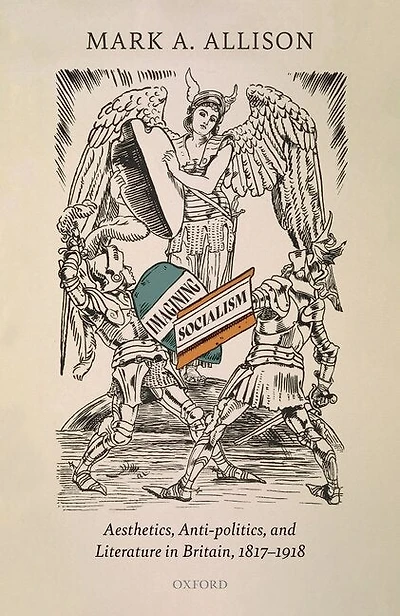






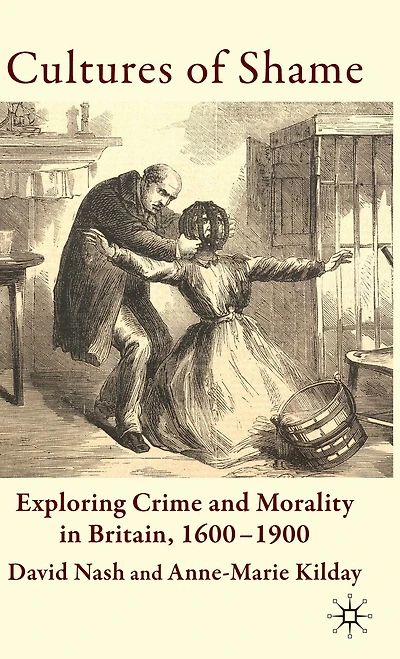











Find at Bramalea City Centre in Brampton, ON
Visit at Bramalea City Centre in Brampton, ON