



Gifting Made Simple
Give the Gift of ChoiceClick below to purchase a Bramalea City Centre eGift Card that can be used at participating retailers at Bramalea City Centre.Purchase HereHome
Encounters of Mind: Luminosity and Personhood Indian Chinese Thought
Coles
Loading Inventory...
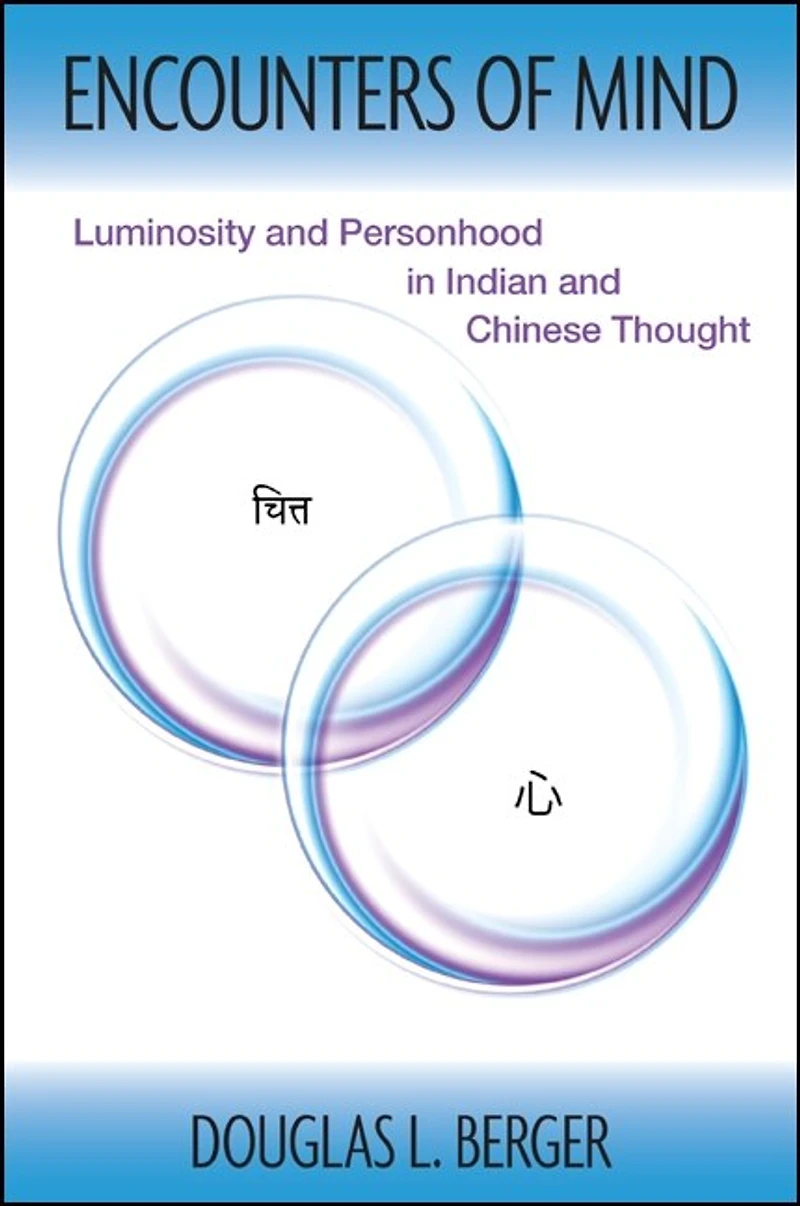
Encounters of Mind: Luminosity and Personhood Indian Chinese Thought in Brampton, ON
Current price: $135.95
Coles
Encounters of Mind: Luminosity and Personhood Indian Chinese Thought in Brampton, ON
Current price: $135.95
Loading Inventory...
Size: Hardcover
*Product information and pricing may vary - to confirm current pricing, availability, shipping, and return information please contact Coles. In the event of a pricing discrepancy, the retailer's price will apply.
Discusses the journey of Buddhist ideas on awareness and personhood from India to China.
Encounters of Mind explores a crucial step in the philosophical journey of Buddhism from India to China, and what influence this step, once taken, had on Chinese thought in a broader scope. The relationship of concepts of mind, or awareness, to the constitution of personhood in Chinese traditions of reflection was to change profoundly after the Cognition School of Buddhism made its way to China during the sixth century. India's Buddhist philosophers had formulated the idea that, in order for human beings to achieve perfect enlightenment, they had to produce a state of awareness through practice that they described as "luminous." However, once introduced to the Chinese tradition, the concept of the "luminous mind" was to become a condition already found within human nature for the possibility of achieving human ideals. This notion of the luminous mind was to have far-reaching significance both for Chinese Buddhism and for medieval Confucianism. Douglas L. Berger follows the transforming path of conceptions of the luminosity of consciousness and the perfectibility of personhood in order to bring into clearer relief the history of Indian and Chinese philosophical dialogue, as well as in the hope that such dialogue will be reignited.
Discusses the journey of Buddhist ideas on awareness and personhood from India to China.
Encounters of Mind explores a crucial step in the philosophical journey of Buddhism from India to China, and what influence this step, once taken, had on Chinese thought in a broader scope. The relationship of concepts of mind, or awareness, to the constitution of personhood in Chinese traditions of reflection was to change profoundly after the Cognition School of Buddhism made its way to China during the sixth century. India's Buddhist philosophers had formulated the idea that, in order for human beings to achieve perfect enlightenment, they had to produce a state of awareness through practice that they described as "luminous." However, once introduced to the Chinese tradition, the concept of the "luminous mind" was to become a condition already found within human nature for the possibility of achieving human ideals. This notion of the luminous mind was to have far-reaching significance both for Chinese Buddhism and for medieval Confucianism. Douglas L. Berger follows the transforming path of conceptions of the luminosity of consciousness and the perfectibility of personhood in order to bring into clearer relief the history of Indian and Chinese philosophical dialogue, as well as in the hope that such dialogue will be reignited.
You May Also Like
















Find at Bramalea City Centre in Brampton, ON
Visit at Bramalea City Centre in Brampton, ON