



Gifting Made Simple
Give the Gift of ChoiceClick below to purchase a Bramalea City Centre eGift Card that can be used at participating retailers at Bramalea City Centre.Purchase HereHome
Embracing Democracy in Modern Germany: Political Citizenship and Participation, 1871-2000
Coles
Loading Inventory...
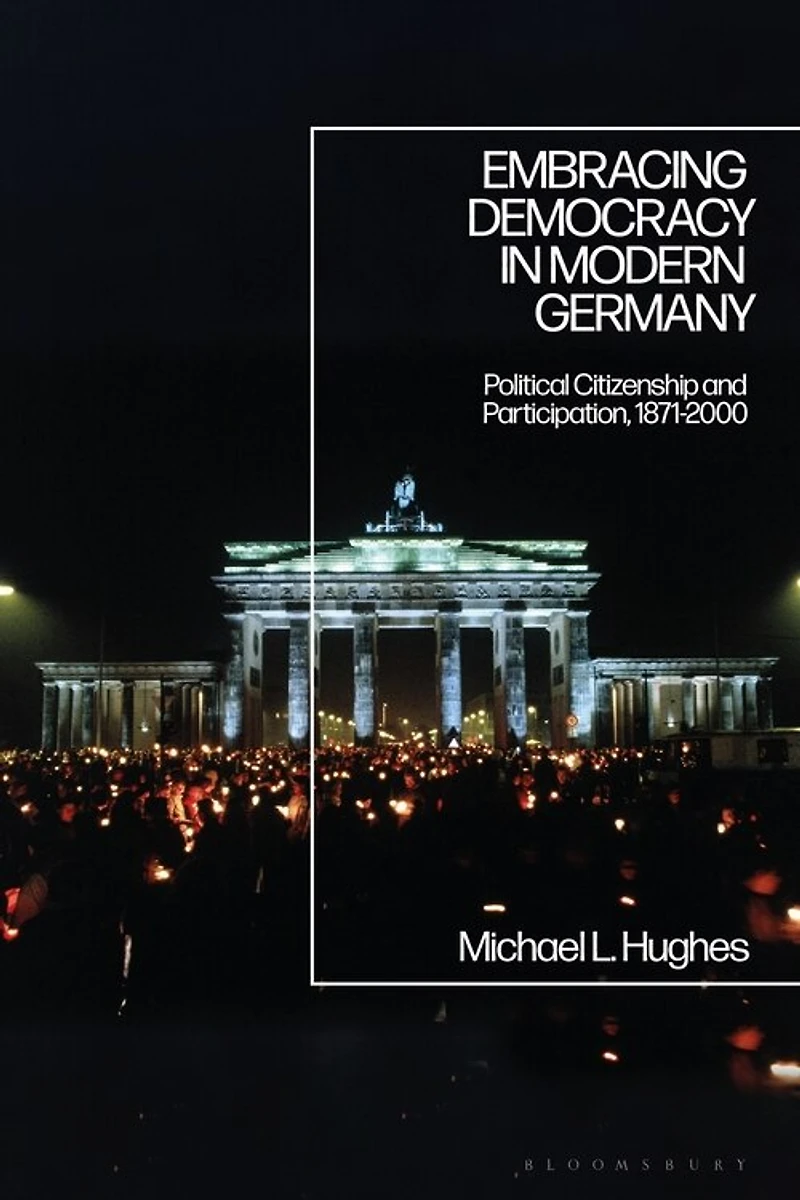
Embracing Democracy in Modern Germany: Political Citizenship and Participation, 1871-2000 in Brampton, ON
Current price: $197.50
Coles
Embracing Democracy in Modern Germany: Political Citizenship and Participation, 1871-2000 in Brampton, ON
Current price: $197.50
Loading Inventory...
Size: Hardcover
*Product information and pricing may vary - to confirm current pricing, availability, shipping, and return information please contact Coles. In the event of a pricing discrepancy, the retailer's price will apply.
Across the modern era, the traditional stereotype of Germans as authoritarian and subservient has faded, as they have become (mostly) model democrats. This book, for the first time, examines 130 years of history to comprehensively address the central questions of German democratization: How and why did this process occur? What has democracy meant to various Germans? And how stable is their, or indeed anyone's, democracy? Looking at six German regimes across thirteen decades, this study enables you to see how and why some Germans have always chosen to be politically active (even under dictatorships); the enormous range of conceptions of political culture and democracy they have held; and how interactions among various factors undercut or facilitated democracy at different times. Michael L. Hughes also makes clear that recent surges of support for 'populism' and 'authoritarianism' have not come out of nowhere but are inherent in long-standing contestations about democracy and political citizenship. Hughes argues that democracy - in Germany or elsewhere - cannot be a story of adversity overcome which culminates in a happy ending; it is an ongoing, open-ended process whose ultimate outcome remains uncertain.
Across the modern era, the traditional stereotype of Germans as authoritarian and subservient has faded, as they have become (mostly) model democrats. This book, for the first time, examines 130 years of history to comprehensively address the central questions of German democratization: How and why did this process occur? What has democracy meant to various Germans? And how stable is their, or indeed anyone's, democracy? Looking at six German regimes across thirteen decades, this study enables you to see how and why some Germans have always chosen to be politically active (even under dictatorships); the enormous range of conceptions of political culture and democracy they have held; and how interactions among various factors undercut or facilitated democracy at different times. Michael L. Hughes also makes clear that recent surges of support for 'populism' and 'authoritarianism' have not come out of nowhere but are inherent in long-standing contestations about democracy and political citizenship. Hughes argues that democracy - in Germany or elsewhere - cannot be a story of adversity overcome which culminates in a happy ending; it is an ongoing, open-ended process whose ultimate outcome remains uncertain.
You May Also Like
















Find at Bramalea City Centre in Brampton, ON
Visit at Bramalea City Centre in Brampton, ON