



Gifting Made Simple
Give the Gift of ChoiceClick below to purchase a Bramalea City Centre eGift Card that can be used at participating retailers at Bramalea City Centre.Purchase HereHome
Edgar Allan Poe, Eureka, and Scientific Imagination
Coles
Loading Inventory...
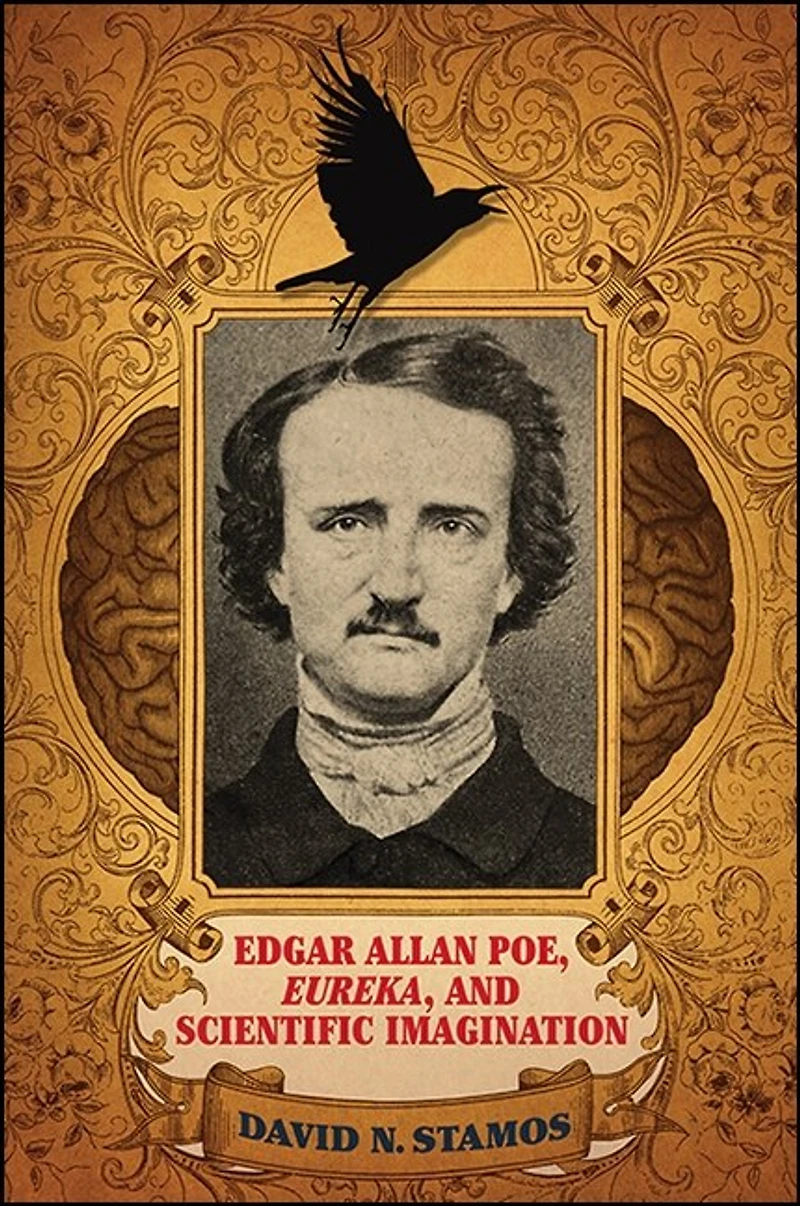
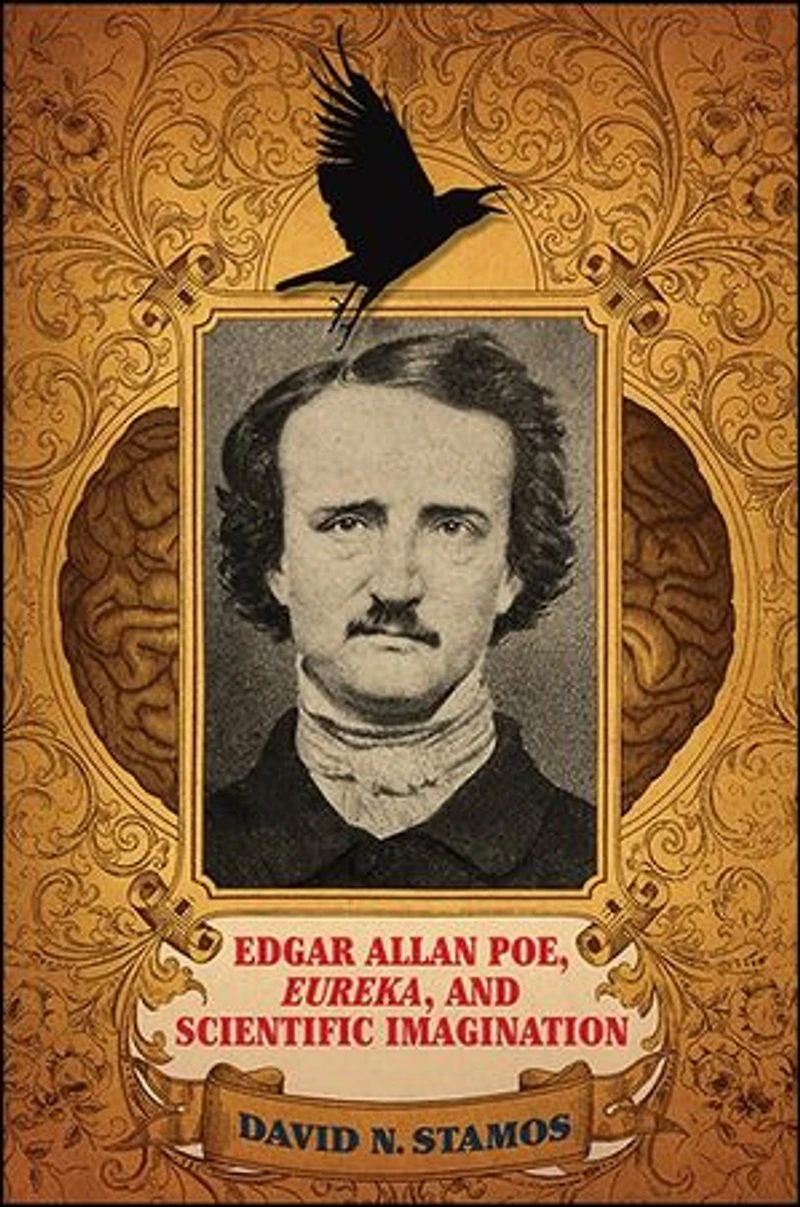
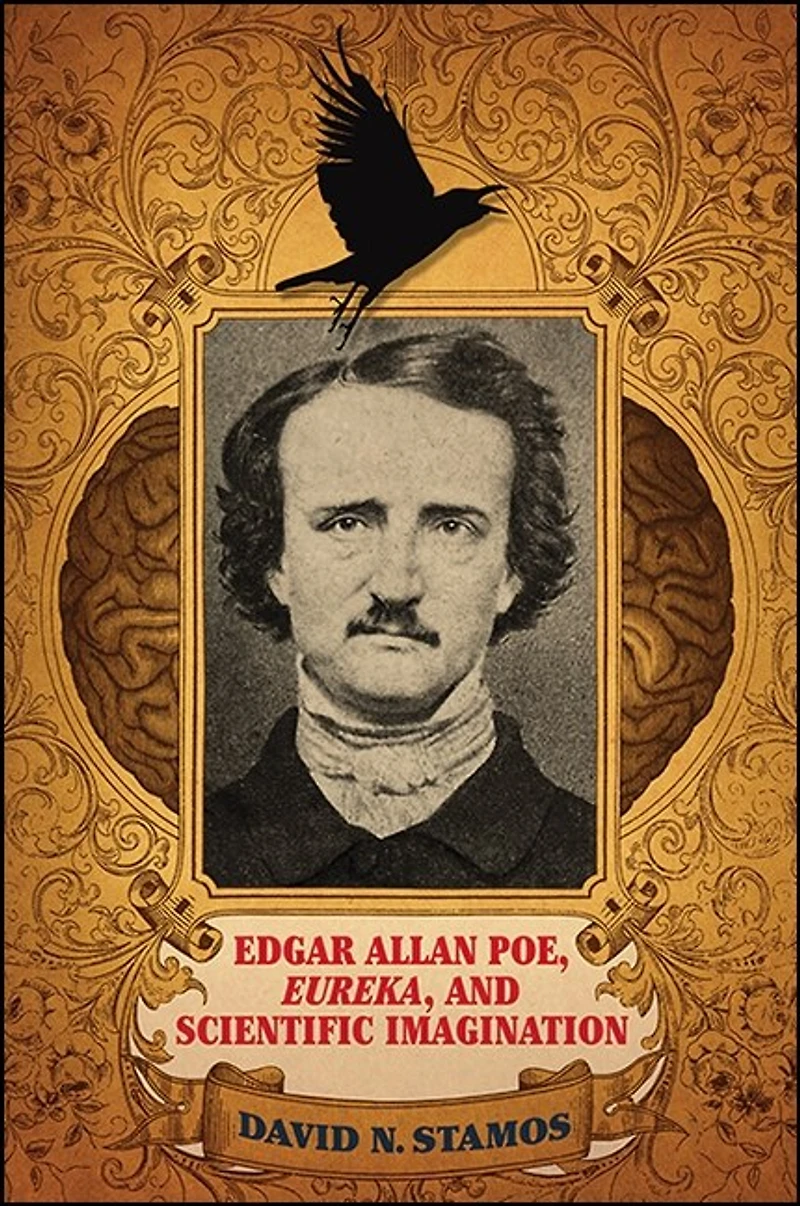
Edgar Allan Poe, Eureka, and Scientific Imagination in Brampton, ON
Current price: $135.95
Coles
Edgar Allan Poe, Eureka, and Scientific Imagination in Brampton, ON
Current price: $135.95
Loading Inventory...
Size: Hardcover
*Product information and pricing may vary - to confirm current pricing, availability, shipping, and return information please contact Coles. In the event of a pricing discrepancy, the retailer's price will apply.
In 1848, almost a year and a half before Edgar Allan Poe died at the age of forty, his book
was published. In it, he weaved together his scientific speculations about the universe with his own literary theory, theology, and philosophy of science. Although Poe himself considered it to be his magnum opus,
has mostly been overlooked or underappreciated, sometimes even to the point of being thought an elaborate hoax. Remarkably, however, in
Poe anticipated at least nine major theories and developments in twentieth-century science, including the Big Bang theory, multiverse theory, and the solution to Olbers' paradox. In this book-the first devoted specifically to Poe's science side-David N. Stamos, a philosopher of science, combines scientific background with analysis of Poe's life and work to highlight the creative and scientific achievements of this text. He examines Poe's literary theory, theology, and intellectual development, and then compares Poe's understanding of science with that of scientists and philosophers from his own time to the present. Next, Stamos pieces together and clarifies Poe's theory of scientific imagination, which he then attempts to update and defend by providing numerous case studies of eureka moments in modern science and by seeking insights from comparative biography and psychology, cognitive science, neuroscience, and evolution.
In 1848, almost a year and a half before Edgar Allan Poe died at the age of forty, his book
was published. In it, he weaved together his scientific speculations about the universe with his own literary theory, theology, and philosophy of science. Although Poe himself considered it to be his magnum opus,
has mostly been overlooked or underappreciated, sometimes even to the point of being thought an elaborate hoax. Remarkably, however, in
Poe anticipated at least nine major theories and developments in twentieth-century science, including the Big Bang theory, multiverse theory, and the solution to Olbers' paradox. In this book-the first devoted specifically to Poe's science side-David N. Stamos, a philosopher of science, combines scientific background with analysis of Poe's life and work to highlight the creative and scientific achievements of this text. He examines Poe's literary theory, theology, and intellectual development, and then compares Poe's understanding of science with that of scientists and philosophers from his own time to the present. Next, Stamos pieces together and clarifies Poe's theory of scientific imagination, which he then attempts to update and defend by providing numerous case studies of eureka moments in modern science and by seeking insights from comparative biography and psychology, cognitive science, neuroscience, and evolution.
You May Also Like

















Find at Bramalea City Centre in Brampton, ON
Visit at Bramalea City Centre in Brampton, ON