



Gifting Made Simple
Give the Gift of ChoiceClick below to purchase a Bramalea City Centre eGift Card that can be used at participating retailers at Bramalea City Centre.Purchase HereHome
Economically Enabled Energy Management: Interplay Between Control Engineering And Economics
Coles
Loading Inventory...
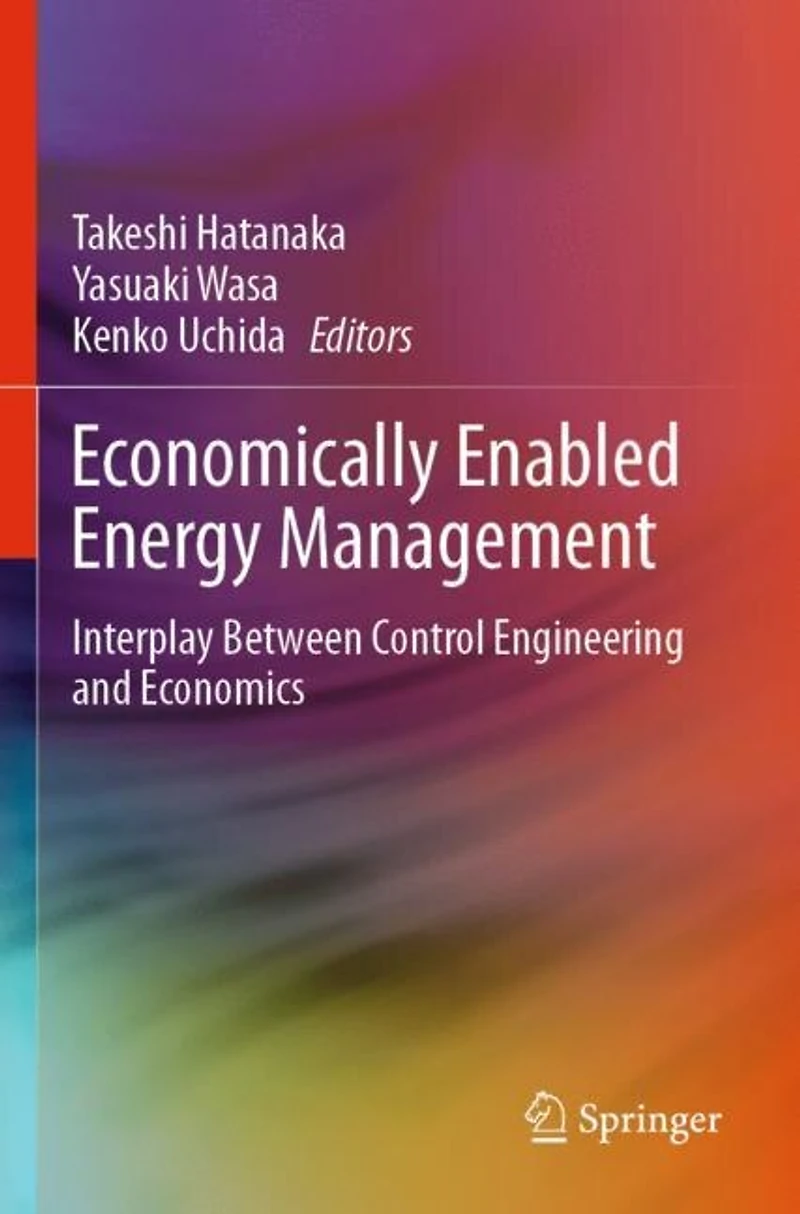
Economically Enabled Energy Management: Interplay Between Control Engineering And Economics in Brampton, ON
Current price: $189.95
Coles
Economically Enabled Energy Management: Interplay Between Control Engineering And Economics in Brampton, ON
Current price: $189.95
Loading Inventory...
Size: Paperback
*Product information and pricing may vary - to confirm current pricing, availability, shipping, and return information please contact Coles. In the event of a pricing discrepancy, the retailer's price will apply.
This book gathers contributions from a multidisciplinary research team comprised of control engineering and economics researchers and formed to address a central interdisciplinary social issue, namely economically enabled energy management. The book's primary focus is on achieving optimal energy management that is viable from both an engineering and economic standpoint. In addition to the theoretical results and techniques presented, several chapters highlight experimental case studies, which will benefit academic researchers and practitioners alike.
The first three chapters present comprehensive overviews of respective social contexts, underscore the pressing need for economically efficient energy management systems and academic work on this emerging research topic, and identify fundamental differences between approaches in control engineering and economics. In turn, the next three chapters (Chapters 4-6) provide economics-oriented approaches to the subject. The following five chapters (Chapters 7-11) address optimal energy market design, integrating both physical and economic models. The book's last three chapters (Chapters 12-14) mainly focus on the engineering aspects of next-generation energy management, though economic factors are also shown to play important roles.
This book gathers contributions from a multidisciplinary research team comprised of control engineering and economics researchers and formed to address a central interdisciplinary social issue, namely economically enabled energy management. The book's primary focus is on achieving optimal energy management that is viable from both an engineering and economic standpoint. In addition to the theoretical results and techniques presented, several chapters highlight experimental case studies, which will benefit academic researchers and practitioners alike.
The first three chapters present comprehensive overviews of respective social contexts, underscore the pressing need for economically efficient energy management systems and academic work on this emerging research topic, and identify fundamental differences between approaches in control engineering and economics. In turn, the next three chapters (Chapters 4-6) provide economics-oriented approaches to the subject. The following five chapters (Chapters 7-11) address optimal energy market design, integrating both physical and economic models. The book's last three chapters (Chapters 12-14) mainly focus on the engineering aspects of next-generation energy management, though economic factors are also shown to play important roles.
You May Also Like









Find at Bramalea City Centre in Brampton, ON
Visit at Bramalea City Centre in Brampton, ON