



Gifting Made Simple
Give the Gift of ChoiceClick below to purchase a Bramalea City Centre eGift Card that can be used at participating retailers at Bramalea City Centre.Purchase HereHome
Economic Thought: A Brief History
Coles
Loading Inventory...
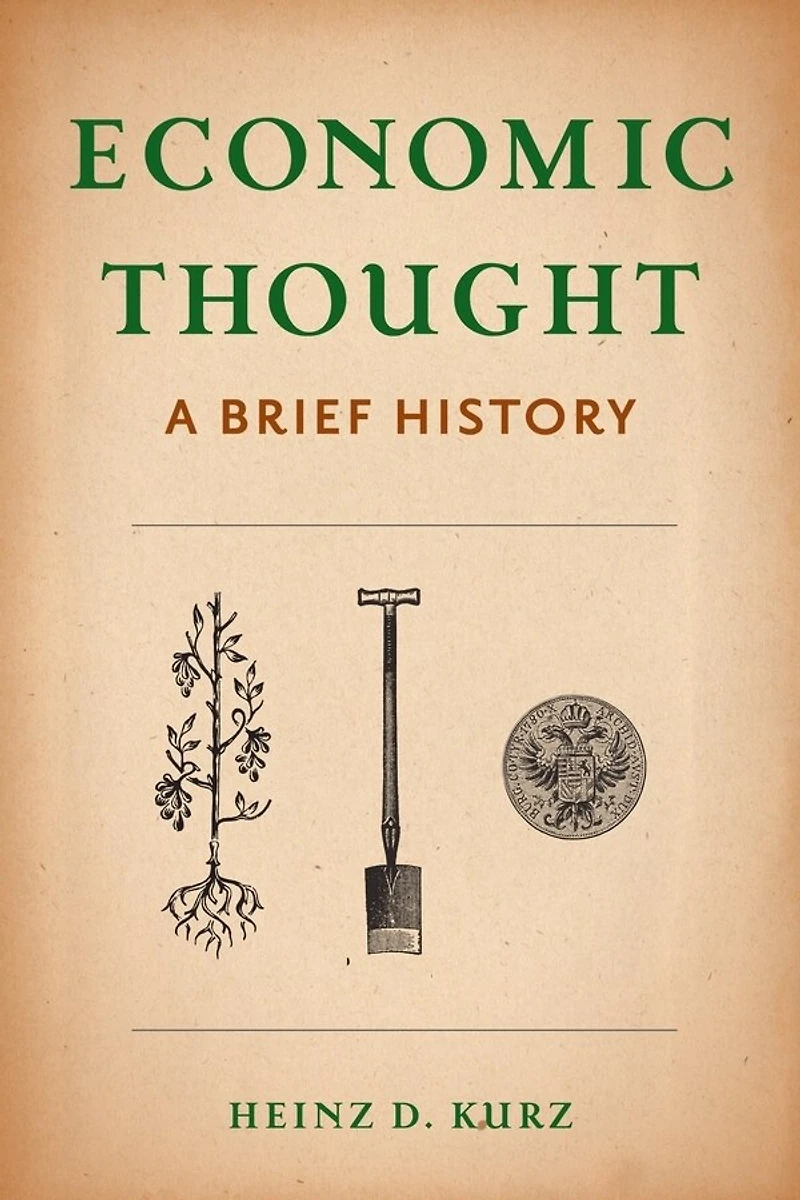
Economic Thought: A Brief History in Brampton, ON
Current price: $130.00
Coles
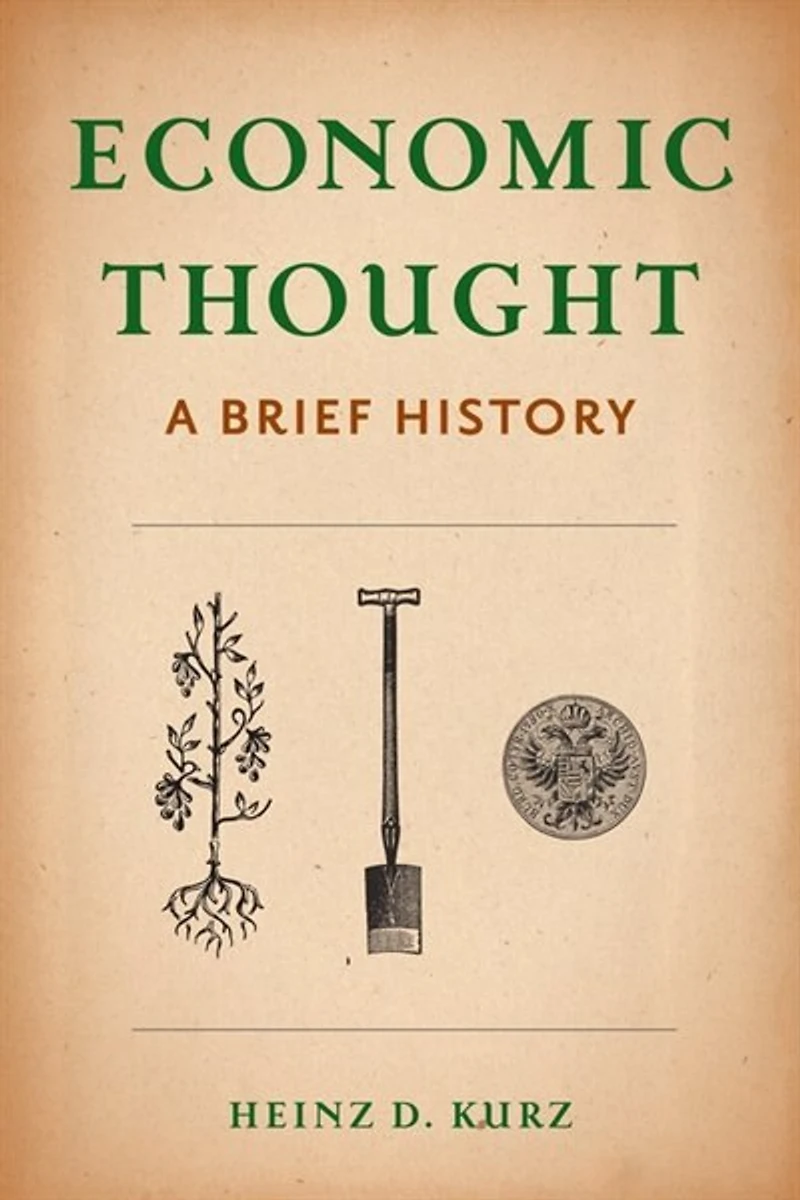
Economic Thought: A Brief History in Brampton, ON
Current price: $130.00
Loading Inventory...
Size: Hardcover
*Product information and pricing may vary - to confirm current pricing, availability, shipping, and return information please contact Coles. In the event of a pricing discrepancy, the retailer's price will apply.
In this concise yet comprehensive history, Heinz D. Kurz traces the long arc of economic thought from its emergence in ancient Greece to its systematic presentation among the classical thinkers of the late eighteenth and early nineteenth centuries to the influential work of scholars such as Paul Samuelson and Kenneth J. Arrow. With a keen eye for how economic insights are acquired, lost, and reborn, Kurz focuses on the dynamic individuals who give old ideas new life and the historical events that provoke different approaches and theories.
Over the course of this journey, Kurz explains what Adam Smith meant by the "invisible hand"; how Karl Marx's "law of motion" works in capitalist economies; the roots of the Austrian economists' emphasis on the problems of information, incomplete knowledge, and uncertainty; John Maynard Keynes's principle of effective demand and economic stabilization; and the insights and challenges offered by growth theory, welfare economics, game theory, and more. He concludes with a deft summation of world economists' major concerns today and their critical relation to world events.
In this concise yet comprehensive history, Heinz D. Kurz traces the long arc of economic thought from its emergence in ancient Greece to its systematic presentation among the classical thinkers of the late eighteenth and early nineteenth centuries to the influential work of scholars such as Paul Samuelson and Kenneth J. Arrow. With a keen eye for how economic insights are acquired, lost, and reborn, Kurz focuses on the dynamic individuals who give old ideas new life and the historical events that provoke different approaches and theories.
Over the course of this journey, Kurz explains what Adam Smith meant by the "invisible hand"; how Karl Marx's "law of motion" works in capitalist economies; the roots of the Austrian economists' emphasis on the problems of information, incomplete knowledge, and uncertainty; John Maynard Keynes's principle of effective demand and economic stabilization; and the insights and challenges offered by growth theory, welfare economics, game theory, and more. He concludes with a deft summation of world economists' major concerns today and their critical relation to world events.
You May Also Like









Find at Bramalea City Centre in Brampton, ON
Visit at Bramalea City Centre in Brampton, ON