



Gifting Made Simple
Give the Gift of ChoiceClick below to purchase a Bramalea City Centre eGift Card that can be used at participating retailers at Bramalea City Centre.Purchase HereHome
Economic Integration Among D-8 Muslim Countries: Prospects And Challenges
Coles
Loading Inventory...
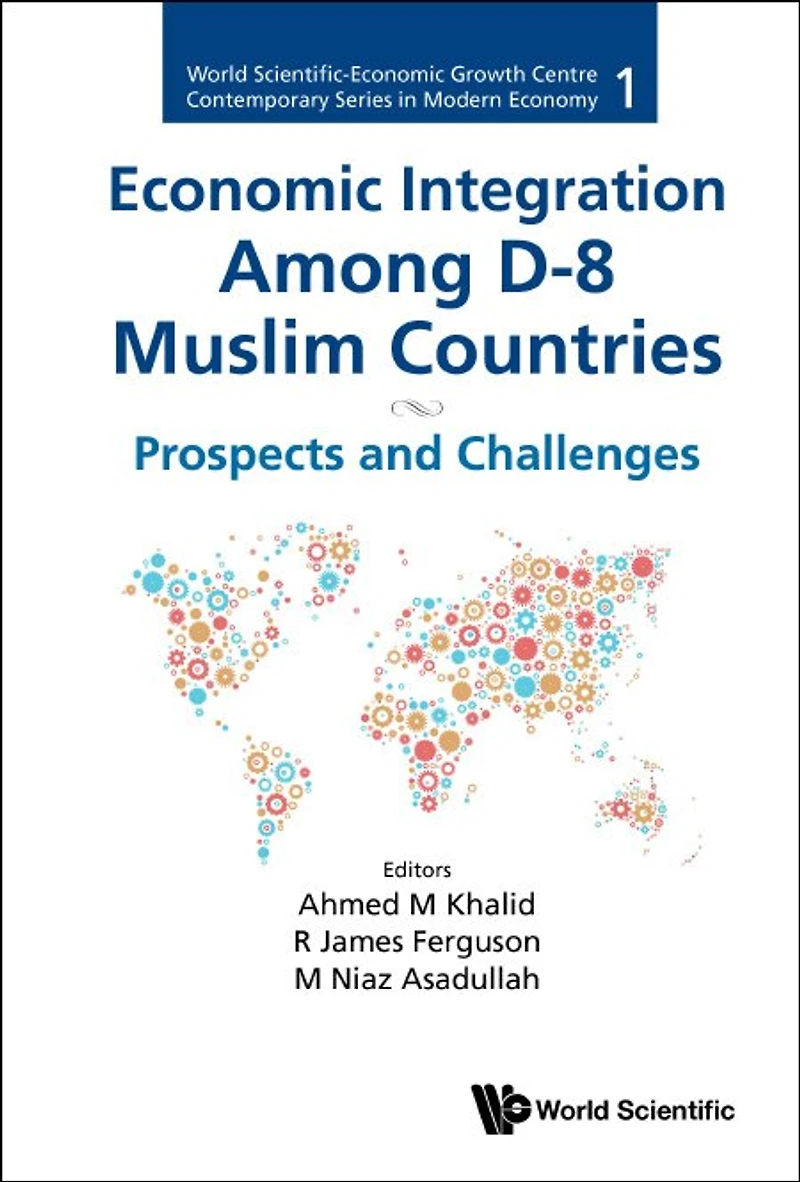
Economic Integration Among D-8 Muslim Countries: Prospects And Challenges in Brampton, ON
Current price: $216.50
Coles
Economic Integration Among D-8 Muslim Countries: Prospects And Challenges in Brampton, ON
Current price: $216.50
Loading Inventory...
Size: Hardcover
*Product information and pricing may vary - to confirm current pricing, availability, shipping, and return information please contact Coles. In the event of a pricing discrepancy, the retailer's price will apply.
The D-8 (Developing Eight) organisation was officially formed in 1997 and has Bangladesh, Egypt, Indonesia, Iran, Malaysia, Nigeria, Pakistan and Turkey as full members. The D-8 economies encompass nearly 62% of the Muslim population or about 1.17 billion people globally. The economic, cultural, social, political and geographical diversity that exists amongst the D-8 member countries differs radically from other Muslim or regional blocks. Furthermore, D-8 member countries are developing economies that do not solely rely on oil, ancient civilizations, or roles as historical powerhouses, but their populations aspire to be better educated, scientifically more advanced, have higher incomes and improved human rights. It is imperative to study the implications of these developments for cultural identity and life quality. This book studies the contemporary socio-economic developments and challenges faced by D-8 countries. It explores questions on the socio-economic and political formation, sustainability, economic participation, and the vitality of the D-8 member countries. It deepens our understanding of recent global economic systems and governance, and suggests areas for future research and publications.
The D-8 (Developing Eight) organisation was officially formed in 1997 and has Bangladesh, Egypt, Indonesia, Iran, Malaysia, Nigeria, Pakistan and Turkey as full members. The D-8 economies encompass nearly 62% of the Muslim population or about 1.17 billion people globally. The economic, cultural, social, political and geographical diversity that exists amongst the D-8 member countries differs radically from other Muslim or regional blocks. Furthermore, D-8 member countries are developing economies that do not solely rely on oil, ancient civilizations, or roles as historical powerhouses, but their populations aspire to be better educated, scientifically more advanced, have higher incomes and improved human rights. It is imperative to study the implications of these developments for cultural identity and life quality. This book studies the contemporary socio-economic developments and challenges faced by D-8 countries. It explores questions on the socio-economic and political formation, sustainability, economic participation, and the vitality of the D-8 member countries. It deepens our understanding of recent global economic systems and governance, and suggests areas for future research and publications.
You May Also Like



%252Fimages%252Fcatalog2024%252F169922_1.jpg_medium.webp)
%252Fimages%252Fcatalog2024%252F276525_1.jpg_medium.webp)









Find at Bramalea City Centre in Brampton, ON
Visit at Bramalea City Centre in Brampton, ON