



Gifting Made Simple
Give the Gift of ChoiceClick below to purchase a Bramalea City Centre eGift Card that can be used at participating retailers at Bramalea City Centre.Purchase HereHome
Economic Foundations Of International Law
Coles
Loading Inventory...
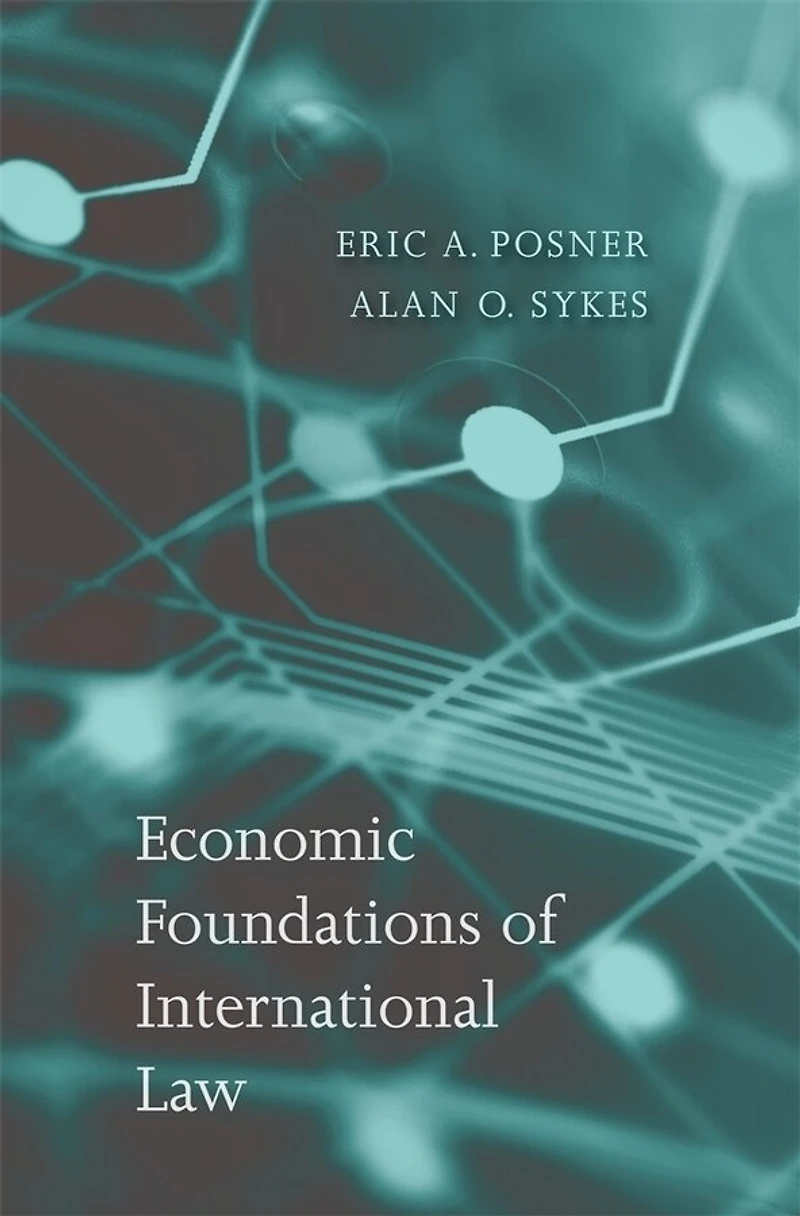
Economic Foundations Of International Law in Brampton, ON
Current price: $107.95
Coles
Economic Foundations Of International Law in Brampton, ON
Current price: $107.95
Loading Inventory...
Size: Hardcover
*Product information and pricing may vary - to confirm current pricing, availability, shipping, and return information please contact Coles. In the event of a pricing discrepancy, the retailer's price will apply.
The ever-increasing exchange of goods and ideas among nations, as well as cross-border pollution, global warming, and international crime, pose urgent questions for international law. Here, two respected scholars provide an intellectual framework for assessing these pressing legal problems from a rational choice perspective.
The approach assumes that states are rational, forward-looking agents which use international law to address the actions of other states that may have consequences for their own citizens, and to obtain the benefits of international cooperation. It further assumes that in the absence of a central enforcement agency—that is, a world government—international law must be self-enforcing. States must believe that if they violate international agreements, other states will retaliate.
Consequently, Eric A. Posner and Alan O. Sykes devote considerable attention to the challenges of enforcing international law, which begin with the difficulties of determining what it is. In the absence of an international constitution, the sources for international law are vague. Lawyers must rely on statements contained in all manner of official documents and on simple observation of states’ behavior. This looseness leads international institutions such as the United Nations to deliver conflicting interpretations of the law’s most basic principles. The authors describe the conditions under which international law succeeds or fails, across a wide range of issues, including war crimes, human rights, international criminal law, principles of state responsibility, law of the sea, international trade regulation, and international investment law.
The ever-increasing exchange of goods and ideas among nations, as well as cross-border pollution, global warming, and international crime, pose urgent questions for international law. Here, two respected scholars provide an intellectual framework for assessing these pressing legal problems from a rational choice perspective.
The approach assumes that states are rational, forward-looking agents which use international law to address the actions of other states that may have consequences for their own citizens, and to obtain the benefits of international cooperation. It further assumes that in the absence of a central enforcement agency—that is, a world government—international law must be self-enforcing. States must believe that if they violate international agreements, other states will retaliate.
Consequently, Eric A. Posner and Alan O. Sykes devote considerable attention to the challenges of enforcing international law, which begin with the difficulties of determining what it is. In the absence of an international constitution, the sources for international law are vague. Lawyers must rely on statements contained in all manner of official documents and on simple observation of states’ behavior. This looseness leads international institutions such as the United Nations to deliver conflicting interpretations of the law’s most basic principles. The authors describe the conditions under which international law succeeds or fails, across a wide range of issues, including war crimes, human rights, international criminal law, principles of state responsibility, law of the sea, international trade regulation, and international investment law.
You May Also Like









Find at Bramalea City Centre in Brampton, ON
Visit at Bramalea City Centre in Brampton, ON