



Gifting Made Simple
Give the Gift of ChoiceClick below to purchase a Bramalea City Centre eGift Card that can be used at participating retailers at Bramalea City Centre.Purchase HereHome
Eastern Empires: China, India & Japan: Imperial Systems, Cultural Traditions, and Political Evolution in Asia, 221 BCE-1868 CE
Coles
Loading Inventory...
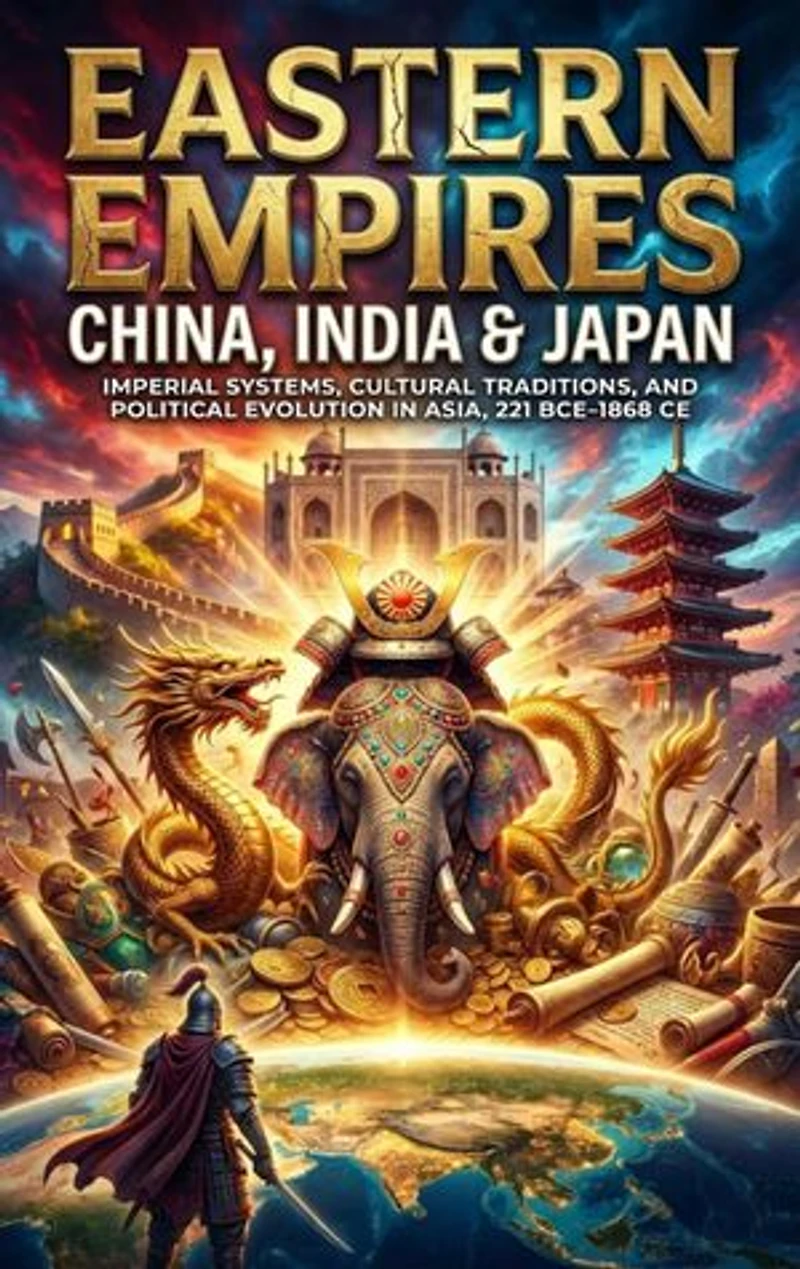
Eastern Empires: China, India & Japan: Imperial Systems, Cultural Traditions, and Political Evolution in Asia, 221 BCE-1868 CE in Brampton, ON
Current price: $14.99
Coles
Eastern Empires: China, India & Japan: Imperial Systems, Cultural Traditions, and Political Evolution in Asia, 221 BCE-1868 CE in Brampton, ON
Current price: $14.99
Loading Inventory...
Size: Kobo eBook
*Product information and pricing may vary - to confirm current pricing, availability, shipping, and return information please contact Coles. In the event of a pricing discrepancy, the retailer's price will apply.
Three distinct civilizations—China, India, and Japan—developed sophisticated imperial systems that governed vast populations, generated enduring cultural traditions, and created administrative innovations that shaped Asian history for millennia. This comparative history examines how each society constructed centralized authority, balanced regional diversity with unified governance, and navigated cycles of consolidation and fragmentation. Drawing on dynastic histories, administrative records, archaeological evidence, and literary sources, the narrative traces imperial evolution across two thousand years. China's Qin Dynasty established bureaucratic centralization and standardization that successive dynasties refined—Han Confucian governance, Tang cosmopolitanism, Song commercial sophistication, Ming maritime expeditions, Qing territorial expansion. The examination system recruited officials based on merit, creating a scholar-gentry class that administered empire through Confucian principles. India's political landscape differed fundamentally. The Mauryan Empire briefly unified the subcontinent, but subsequent centuries saw regional kingdoms, the Gupta golden age, and Islamic sultanates before Mughal emperors created syncretic administration blending Persian, Islamic, and Hindu traditions. Caste systems structured society alongside diverse religious traditions. Decentralized power characterized governance more than monolithic imperial control. Japan's imperial system evolved distinctly. Early centralization attempts borrowed Chinese models, but feudal fragmentation transferred real authority to military rulers. The shogunate system maintained nominal imperial legitimacy while samurai clans wielded actual power. Island geography enabled cultural borrowing while preserving distinct identity. The Tokugawa period enforced isolation, creating stable governance through rigid social hierarchies.
Three distinct civilizations—China, India, and Japan—developed sophisticated imperial systems that governed vast populations, generated enduring cultural traditions, and created administrative innovations that shaped Asian history for millennia. This comparative history examines how each society constructed centralized authority, balanced regional diversity with unified governance, and navigated cycles of consolidation and fragmentation. Drawing on dynastic histories, administrative records, archaeological evidence, and literary sources, the narrative traces imperial evolution across two thousand years. China's Qin Dynasty established bureaucratic centralization and standardization that successive dynasties refined—Han Confucian governance, Tang cosmopolitanism, Song commercial sophistication, Ming maritime expeditions, Qing territorial expansion. The examination system recruited officials based on merit, creating a scholar-gentry class that administered empire through Confucian principles. India's political landscape differed fundamentally. The Mauryan Empire briefly unified the subcontinent, but subsequent centuries saw regional kingdoms, the Gupta golden age, and Islamic sultanates before Mughal emperors created syncretic administration blending Persian, Islamic, and Hindu traditions. Caste systems structured society alongside diverse religious traditions. Decentralized power characterized governance more than monolithic imperial control. Japan's imperial system evolved distinctly. Early centralization attempts borrowed Chinese models, but feudal fragmentation transferred real authority to military rulers. The shogunate system maintained nominal imperial legitimacy while samurai clans wielded actual power. Island geography enabled cultural borrowing while preserving distinct identity. The Tokugawa period enforced isolation, creating stable governance through rigid social hierarchies.
You May Also Like















Find at Bramalea City Centre in Brampton, ON
Visit at Bramalea City Centre in Brampton, ON