



Gifting Made Simple
Give the Gift of ChoiceClick below to purchase a Bramalea City Centre eGift Card that can be used at participating retailers at Bramalea City Centre.Purchase HereHome
East Central Europe Between the Colonial and the Postcolonial in the Twentieth Century
Coles
Loading Inventory...
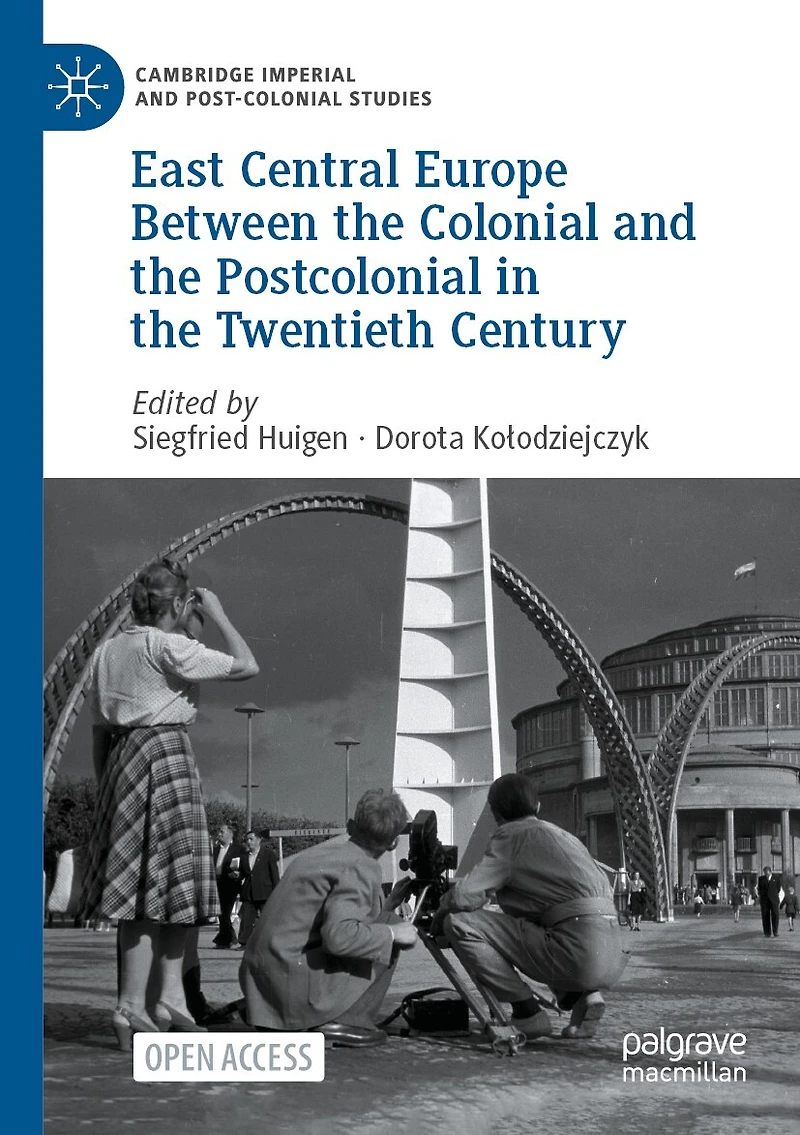
East Central Europe Between the Colonial and the Postcolonial in the Twentieth Century in Brampton, ON
Current price: $72.95
Coles
East Central Europe Between the Colonial and the Postcolonial in the Twentieth Century in Brampton, ON
Current price: $72.95
Loading Inventory...
Size: Paperback
*Product information and pricing may vary - to confirm current pricing, availability, shipping, and return information please contact Coles. In the event of a pricing discrepancy, the retailer's price will apply.
This open access book explores the ambiguity of East Central Europe during the twentieth century, examining local contexts through a comparative and transnational reworking of theoretical models in postcolonial studies. Since the early modern period, East Central Europe has arguably been an object of imperialism. However, at the same time East Central European states have been seen to be colonial actors, with individuals from the region often associating themselves with colonial discourses in extra-European contexts. Spanning a broad time period until after the Second World War and covering the governance of Communism and its legacies, the book examines how cultural and literary narratives from East Central Europe have created and revised historical knowledge, making use of collective memory to feed into identity models.
This open access book explores the ambiguity of East Central Europe during the twentieth century, examining local contexts through a comparative and transnational reworking of theoretical models in postcolonial studies. Since the early modern period, East Central Europe has arguably been an object of imperialism. However, at the same time East Central European states have been seen to be colonial actors, with individuals from the region often associating themselves with colonial discourses in extra-European contexts. Spanning a broad time period until after the Second World War and covering the governance of Communism and its legacies, the book examines how cultural and literary narratives from East Central Europe have created and revised historical knowledge, making use of collective memory to feed into identity models.
You May Also Like








Find at Bramalea City Centre in Brampton, ON
Visit at Bramalea City Centre in Brampton, ON