



Gifting Made Simple
Give the Gift of ChoiceClick below to purchase a Bramalea City Centre eGift Card that can be used at participating retailers at Bramalea City Centre.Purchase HereHome
Dockside Reading: Hydrocolonialism and the Custom House
Coles
Loading Inventory...
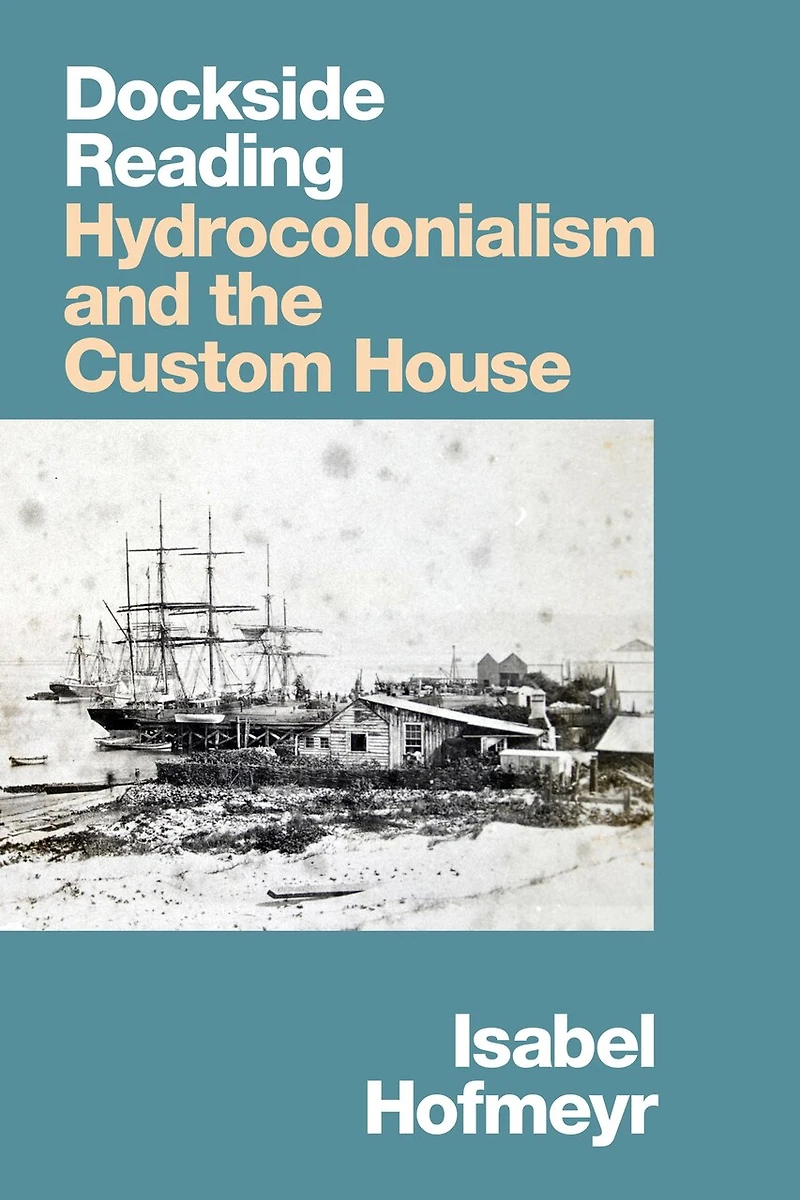
Dockside Reading: Hydrocolonialism and the Custom House in Brampton, ON
Current price: $116.95
Coles
Dockside Reading: Hydrocolonialism and the Custom House in Brampton, ON
Current price: $116.95
Loading Inventory...
Size: Hardcover
*Product information and pricing may vary - to confirm current pricing, availability, shipping, and return information please contact Coles. In the event of a pricing discrepancy, the retailer's price will apply.
In Dockside Reading Isabel Hofmeyr traces the relationships among print culture, colonialism, and the ocean through the institution of the British colonial Custom House. During the late nineteenth and early twentieth centuries, dockside customs officials would leaf through publications looking for obscenity, politically objectionable materials, or reprints of British copyrighted works, often dumping these condemned goods into the water. These practices, echoing other colonial imaginaries of the ocean as a space for erasing incriminating evidence of the violence of empire, informed later censorship regimes under apartheid in South Africa. By tracking printed matter from ship to shore, Hofmeyr shows how literary institutions like copyright and censorship were shaped by colonial control of coastal waters. Set in the environmental context of the colonial port city, Dockside Reading explores how imperialism colonizes water. Hofmeyr examines this theme through the concept of hydrocolonialism, which puts together land and sea, empire and environment.
In Dockside Reading Isabel Hofmeyr traces the relationships among print culture, colonialism, and the ocean through the institution of the British colonial Custom House. During the late nineteenth and early twentieth centuries, dockside customs officials would leaf through publications looking for obscenity, politically objectionable materials, or reprints of British copyrighted works, often dumping these condemned goods into the water. These practices, echoing other colonial imaginaries of the ocean as a space for erasing incriminating evidence of the violence of empire, informed later censorship regimes under apartheid in South Africa. By tracking printed matter from ship to shore, Hofmeyr shows how literary institutions like copyright and censorship were shaped by colonial control of coastal waters. Set in the environmental context of the colonial port city, Dockside Reading explores how imperialism colonizes water. Hofmeyr examines this theme through the concept of hydrocolonialism, which puts together land and sea, empire and environment.
You May Also Like













Find at Bramalea City Centre in Brampton, ON
Visit at Bramalea City Centre in Brampton, ON