



Gifting Made Simple
Give the Gift of ChoiceClick below to purchase a Bramalea City Centre eGift Card that can be used at participating retailers at Bramalea City Centre.Purchase HereHome
Do I Look at You with Love?: Reimagining the Story of Dementia
Coles
Loading Inventory...
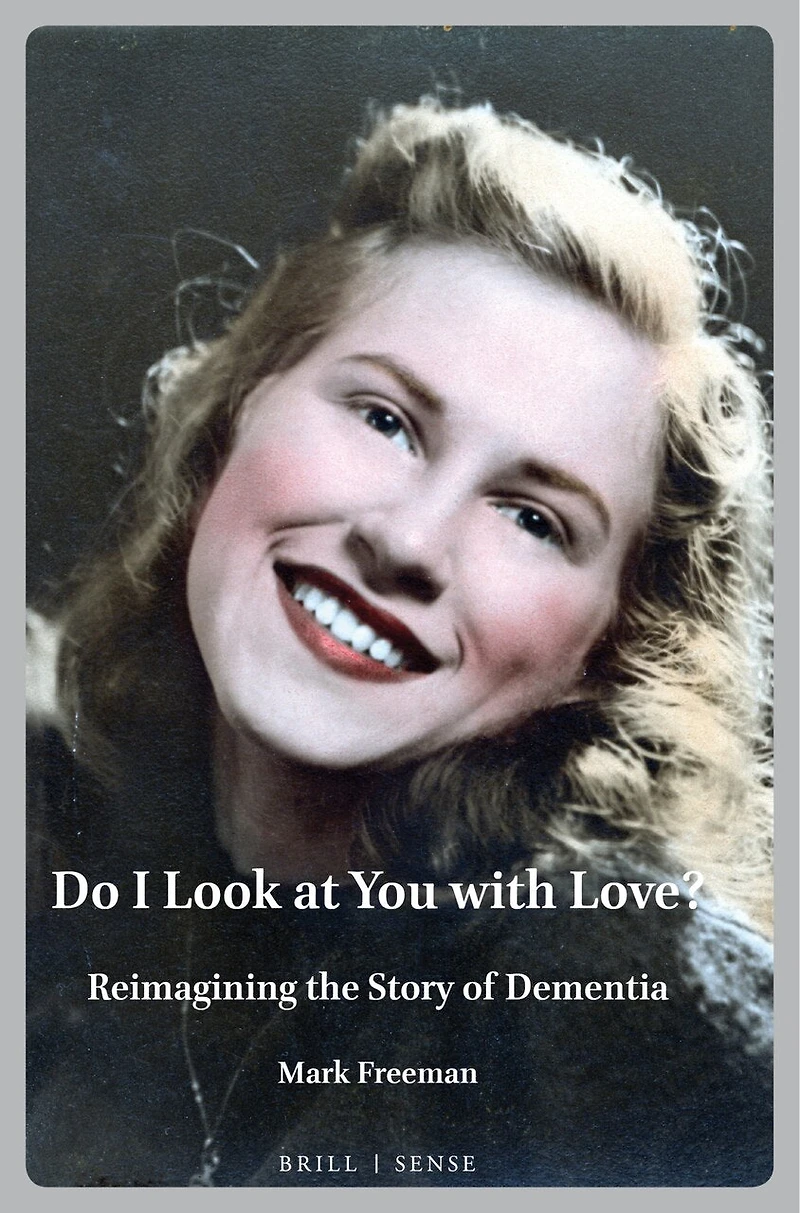
Do I Look at You with Love?: Reimagining the Story of Dementia in Brampton, ON
Current price: $146.99
Coles
Do I Look at You with Love?: Reimagining the Story of Dementia in Brampton, ON
Current price: $146.99
Loading Inventory...
Size: Hardcover
*Product information and pricing may vary - to confirm current pricing, availability, shipping, and return information please contact Coles. In the event of a pricing discrepancy, the retailer's price will apply.
Do I Look at You with Love? were the words uttered by Mark Freeman’s mother when she learned, once again, that he was her son. This book explores the experience of dementia as it transpired during the course of the final twelve years of her life, from the time of her diagnosis until her death in 2016 at age 93. As a longtime student of memory, identity, and narrative, as well as the son of a woman with dementia, he had a remarkable opportunity to try to understand and tell her story. Much of the story is tragic. But there were other periods and other dimensions of relationship that were beautiful and that could not have emerged without her very affliction. In the midst of affliction there were gifts, arriving unbidden, that served to alert Freeman and his family to what is most precious and real. These are part of the story too. Part narrative psychology, part memoir, part meditation on the beauty and light that might be found amidst the ravages of time and memory, Freeman’s moving story is emblematic of nothing less than the bittersweet reality of life itself.
Do I Look at You with Love? were the words uttered by Mark Freeman’s mother when she learned, once again, that he was her son. This book explores the experience of dementia as it transpired during the course of the final twelve years of her life, from the time of her diagnosis until her death in 2016 at age 93. As a longtime student of memory, identity, and narrative, as well as the son of a woman with dementia, he had a remarkable opportunity to try to understand and tell her story. Much of the story is tragic. But there were other periods and other dimensions of relationship that were beautiful and that could not have emerged without her very affliction. In the midst of affliction there were gifts, arriving unbidden, that served to alert Freeman and his family to what is most precious and real. These are part of the story too. Part narrative psychology, part memoir, part meditation on the beauty and light that might be found amidst the ravages of time and memory, Freeman’s moving story is emblematic of nothing less than the bittersweet reality of life itself.
You May Also Like













Find at Bramalea City Centre in Brampton, ON
Visit at Bramalea City Centre in Brampton, ON