



Gifting Made Simple
Give the Gift of ChoiceClick below to purchase a Bramalea City Centre eGift Card that can be used at participating retailers at Bramalea City Centre.Purchase HereHome
Disparagement Humor Social Life: Competition vs. Subjugation
Coles
Loading Inventory...
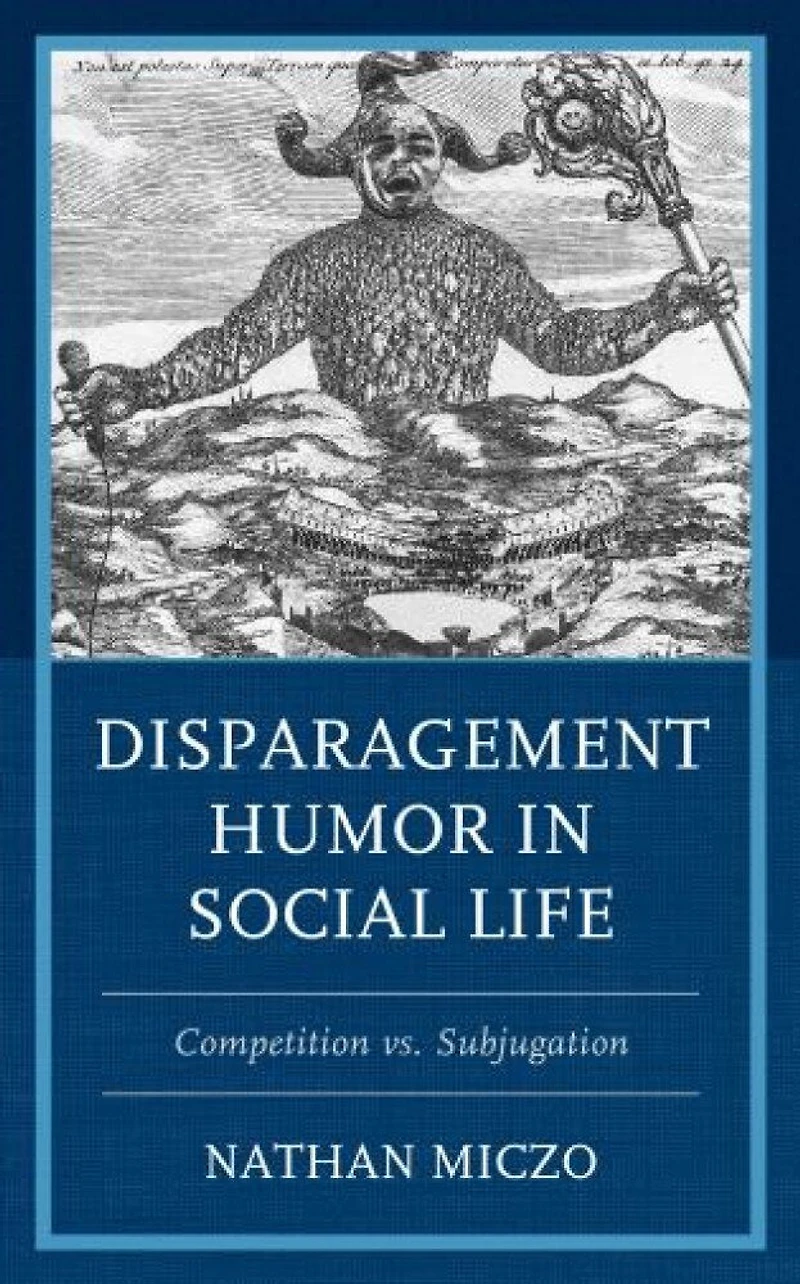
Disparagement Humor Social Life: Competition vs. Subjugation in Brampton, ON
Current price: $160.95
Coles
Disparagement Humor Social Life: Competition vs. Subjugation in Brampton, ON
Current price: $160.95
Loading Inventory...
Size: Hardcover
*Product information and pricing may vary - to confirm current pricing, availability, shipping, and return information please contact Coles. In the event of a pricing discrepancy, the retailer's price will apply.
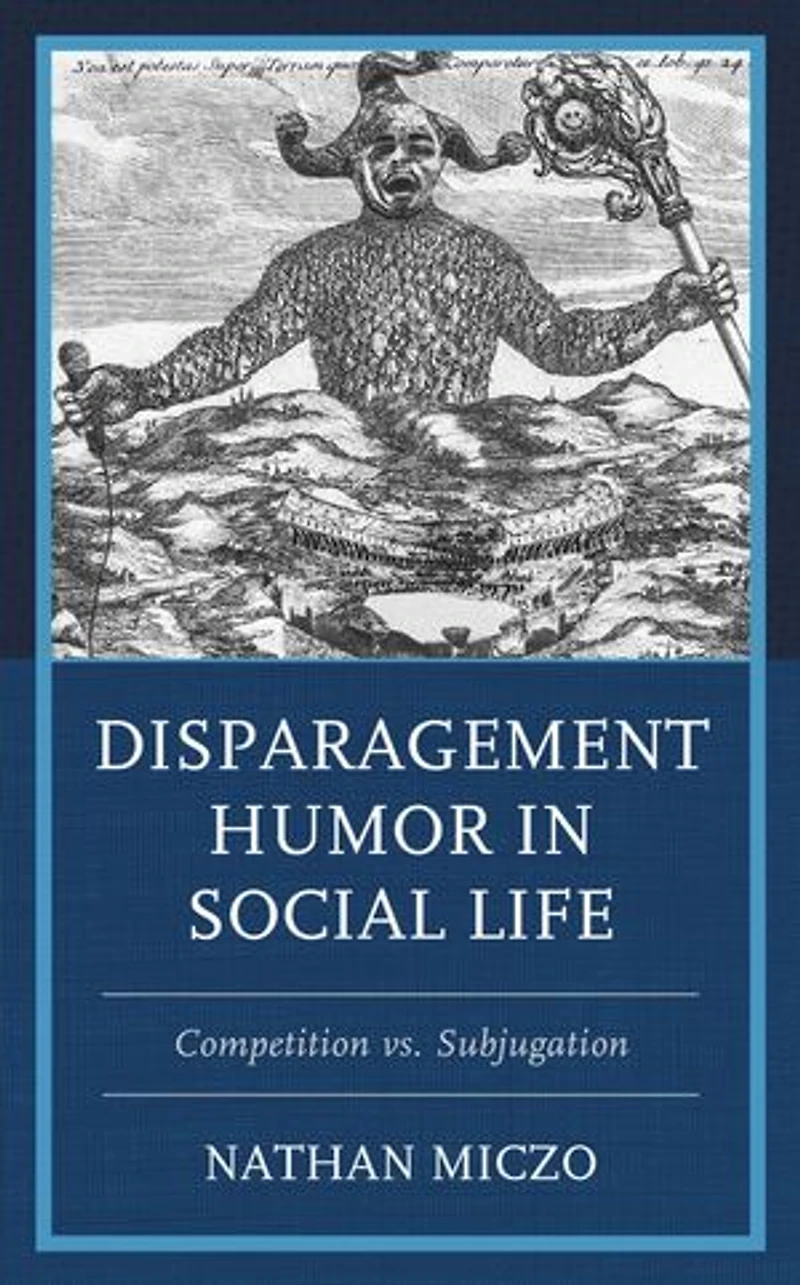
In this book, Nathan Miczo demonstrates that humor operates at different levels of identity, exploring how within- and between-group dynamics shape the creation and reception of disparagement humor. While positive forms of humor arise in interpersonal settings, negative forms reflect the activation of group-based, communal identities. Building on this dual sociality view, Miczo critiques the superiority theory of disparagement humor, rooted in Hobbes's definition of laughter, and tied to his notion of a "war of all against all." Miczo employs the agon (Greek for contest) to replace the Hobbesian metaphor with a view that groups use disparagement humor to pursue rival goals. This perspective forwards the multifunctional utility of humor in social life, analyzing examples of naturally occurring interaction drawn from studies in Communication, Psychology, and Anthropology. Scholars of humor studies, communication, and anthropology, will find this book of particular interest.
In this book, Nathan Miczo demonstrates that humor operates at different levels of identity, exploring how within- and between-group dynamics shape the creation and reception of disparagement humor. While positive forms of humor arise in interpersonal settings, negative forms reflect the activation of group-based, communal identities. Building on this dual sociality view, Miczo critiques the superiority theory of disparagement humor, rooted in Hobbes's definition of laughter, and tied to his notion of a "war of all against all." Miczo employs the agon (Greek for contest) to replace the Hobbesian metaphor with a view that groups use disparagement humor to pursue rival goals. This perspective forwards the multifunctional utility of humor in social life, analyzing examples of naturally occurring interaction drawn from studies in Communication, Psychology, and Anthropology. Scholars of humor studies, communication, and anthropology, will find this book of particular interest.
You May Also Like










Find at Bramalea City Centre in Brampton, ON
Visit at Bramalea City Centre in Brampton, ON