



Gifting Made Simple
Give the Gift of ChoiceClick below to purchase a Bramalea City Centre eGift Card that can be used at participating retailers at Bramalea City Centre.Purchase HereHome
Diagrammatology: An Investigation on the Borderlines of Phenomenology, Ontology, and Semiotics
Coles
Loading Inventory...
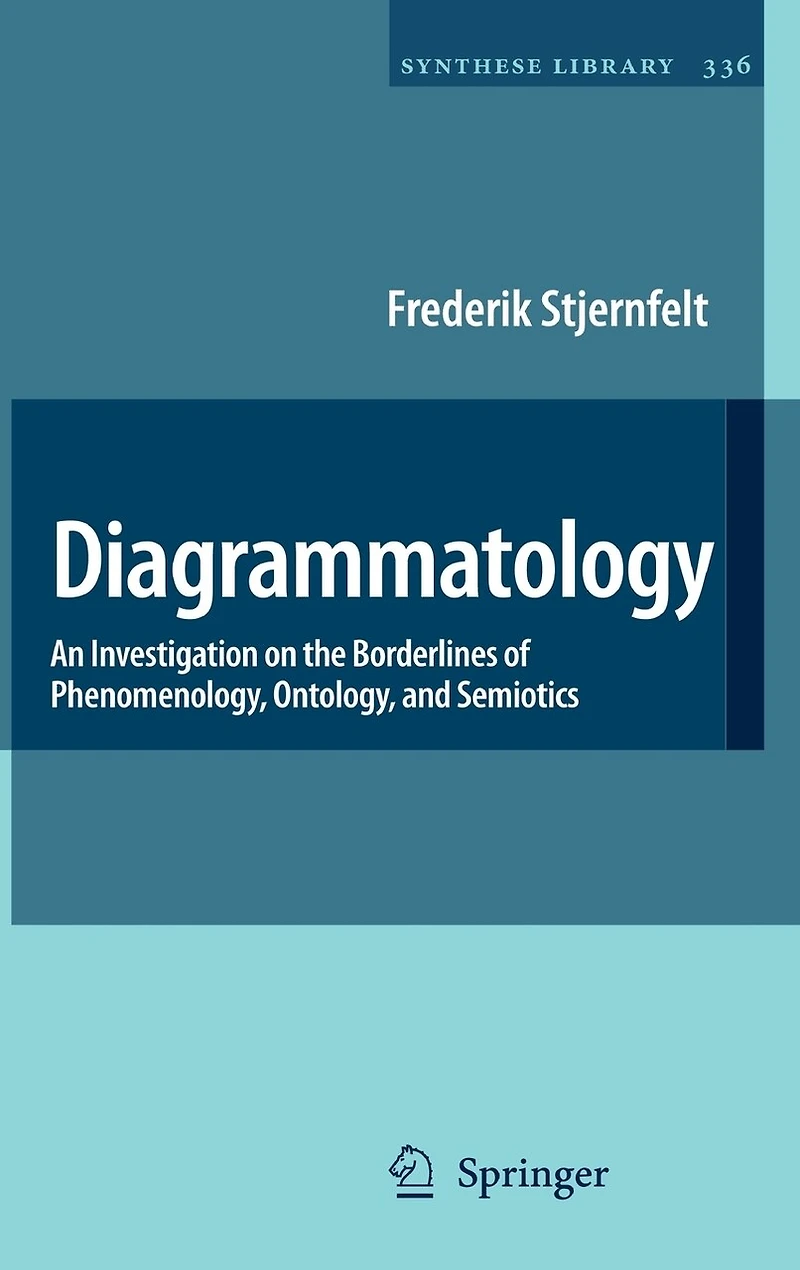
Diagrammatology: An Investigation on the Borderlines of Phenomenology, Ontology, and Semiotics in Brampton, ON
Current price: $321.50
Coles
Diagrammatology: An Investigation on the Borderlines of Phenomenology, Ontology, and Semiotics in Brampton, ON
Current price: $321.50
Loading Inventory...
Size: Hardcover
*Product information and pricing may vary - to confirm current pricing, availability, shipping, and return information please contact Coles. In the event of a pricing discrepancy, the retailer's price will apply.
Diagrammatology investigates the role of diagrams for thought and knowledge. Based on the general doctrine of diagrams in Charles Peirce's mature work, Diagrammatology claims diagrams to constitute a centerpiece of epistemology. The book reflects Peirce's work on the issue in Husserl's contemporanous doctrine of "categorial intuition" and charts the many unnoticed similarities between Peircean semiotics and early Husserlian phenomenology. Diagrams, on a Peircean account, allow for observation and experimentation with ideal structures and objects and thus furnish the access to the synthetic a priori of the regional and formal ontology of the Husserlian tradition. The second part of the book focuses on three regional branches of semiotics: biosemiotics, picture analysis, and the theory of literature. Based on diagrammatology, these domains appear as accessible for a diagrammatological approach which leaves the traditional relativism and culturalism of semiotics behind and hence constitutes a realist semiotics.
Diagrammatology investigates the role of diagrams for thought and knowledge. Based on the general doctrine of diagrams in Charles Peirce's mature work, Diagrammatology claims diagrams to constitute a centerpiece of epistemology. The book reflects Peirce's work on the issue in Husserl's contemporanous doctrine of "categorial intuition" and charts the many unnoticed similarities between Peircean semiotics and early Husserlian phenomenology. Diagrams, on a Peircean account, allow for observation and experimentation with ideal structures and objects and thus furnish the access to the synthetic a priori of the regional and formal ontology of the Husserlian tradition. The second part of the book focuses on three regional branches of semiotics: biosemiotics, picture analysis, and the theory of literature. Based on diagrammatology, these domains appear as accessible for a diagrammatological approach which leaves the traditional relativism and culturalism of semiotics behind and hence constitutes a realist semiotics.
You May Also Like










Find at Bramalea City Centre in Brampton, ON
Visit at Bramalea City Centre in Brampton, ON