



Gifting Made Simple
Give the Gift of ChoiceClick below to purchase a Bramalea City Centre eGift Card that can be used at participating retailers at Bramalea City Centre.Purchase HereHome
Development under Dualism and Digital Divide Twenty-First Century India
Coles
Loading Inventory...
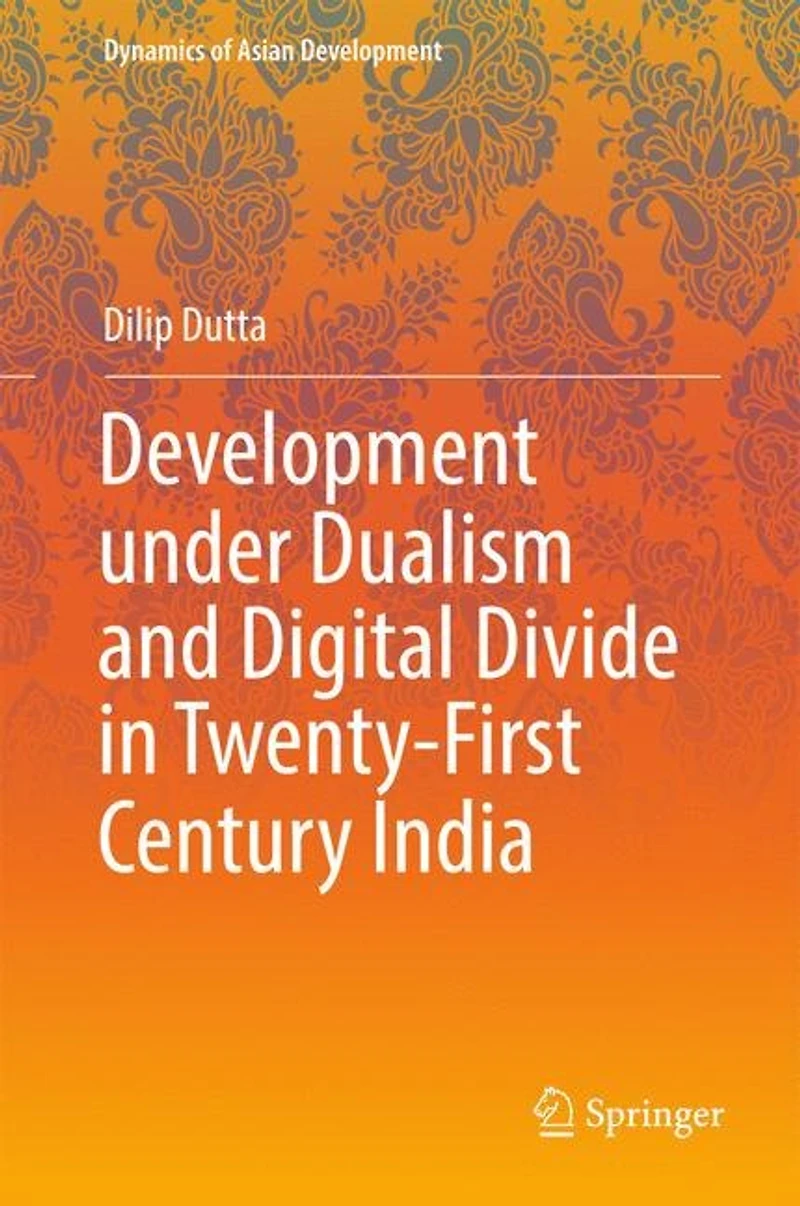
Development under Dualism and Digital Divide Twenty-First Century India in Brampton, ON
Current price: $175.50
Coles
Development under Dualism and Digital Divide Twenty-First Century India in Brampton, ON
Current price: $175.50
Loading Inventory...
Size: Hardcover
*Product information and pricing may vary - to confirm current pricing, availability, shipping, and return information please contact Coles. In the event of a pricing discrepancy, the retailer's price will apply.
After first analysing the economic development processes of emerging Asian economies in general, this book explores the development implications of India's seventy years (1947-2017) of socio-economic policy regimes. It discusses structural dualism and the digital divide, which it identifies as the major socio-economic structural elements of the Indian economy, along with the external forces of globalisation. Since the adoption of comprehensive economic reforms in 1991, India has been liberalising its economy, due in part to the rising pressures of globalisation. However, critics have argued that Indian liberalisation policy has aggravated unemployment, regional inequality and poverty, and also increased India's external vulnerability. This book tests the validity of these arguments, and provides readers a deeper understanding of the structural and institutional elements of the articulation of Indian society. It also examines the paradoxical political and economic effects ofthe information and communication (ICT ) industry in India, due to the economic disparities between the beneficiaries of the ICT windfall and those unable to reap those benefits. Lastly, by investigating the integration of key traditional sectors into modern sectors, the book provides policy suggestions for tackling the sectoral and segmental disarticulation that currently characterises Indian society.
After first analysing the economic development processes of emerging Asian economies in general, this book explores the development implications of India's seventy years (1947-2017) of socio-economic policy regimes. It discusses structural dualism and the digital divide, which it identifies as the major socio-economic structural elements of the Indian economy, along with the external forces of globalisation. Since the adoption of comprehensive economic reforms in 1991, India has been liberalising its economy, due in part to the rising pressures of globalisation. However, critics have argued that Indian liberalisation policy has aggravated unemployment, regional inequality and poverty, and also increased India's external vulnerability. This book tests the validity of these arguments, and provides readers a deeper understanding of the structural and institutional elements of the articulation of Indian society. It also examines the paradoxical political and economic effects ofthe information and communication (ICT ) industry in India, due to the economic disparities between the beneficiaries of the ICT windfall and those unable to reap those benefits. Lastly, by investigating the integration of key traditional sectors into modern sectors, the book provides policy suggestions for tackling the sectoral and segmental disarticulation that currently characterises Indian society.
You May Also Like
















Find at Bramalea City Centre in Brampton, ON
Visit at Bramalea City Centre in Brampton, ON