



Gifting Made Simple
Give the Gift of ChoiceClick below to purchase a Bramalea City Centre eGift Card that can be used at participating retailers at Bramalea City Centre.Purchase HereHome
Development of an Icon: Solomon Before and After King David
Coles
Loading Inventory...
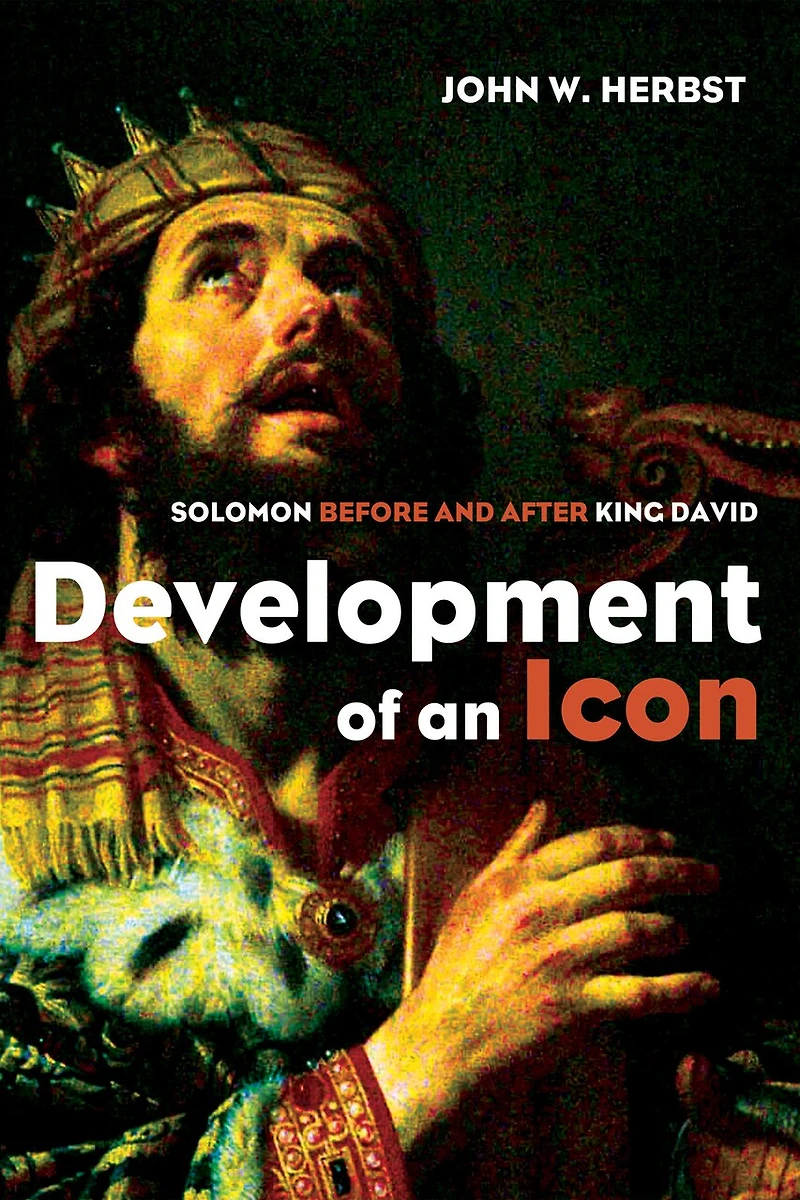
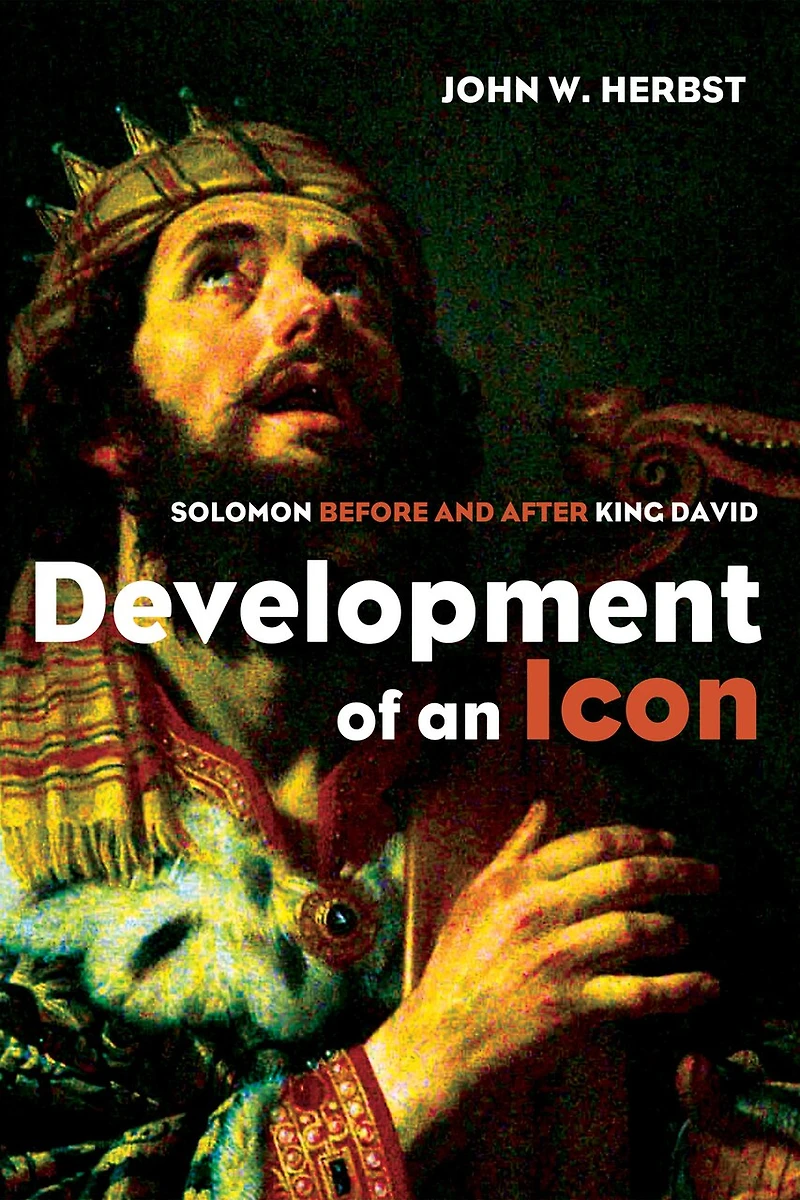
Development of an Icon: Solomon Before and After King David in Brampton, ON
Current price: $73.33
Coles
Development of an Icon: Solomon Before and After King David in Brampton, ON
Current price: $73.33
Loading Inventory...
Size: Hardcover
*Product information and pricing may vary - to confirm current pricing, availability, shipping, and return information please contact Coles. In the event of a pricing discrepancy, the retailer's price will apply.
The most extensive royal accounts in the Hebrew Bible are those of kings David (the "Succession Narrative," usually identified as 2 Sam 9-20 and 1 Kgs 1-2) and Solomon (the "Solomon Story," 1 Kgs 3-11). Yet, even though Solomon immediately follows David in the Deuteronomistic History, little has been done to correlate these accounts. But what if these passages were meant to be read together? Utilizing the "Double Redaction" theory, Herbst proposes that an exilic "Deuteronomist" inserted the Succession Narrative into the Deuteronomistic History, then revised the Solomon Story in light of this addition. His key contribution was 1 Kings 1-2, a passage designed to connect the two larger sections, highlighting the similarities and differences of the two kings. Interpreting the composition history of 2 Samuel and 1 Kings in this way gives new insight into the Deuteronomist's views regarding kings and kingship. This approach also solves many of the problems of the Solomon story, in which the narrator appears to simultaneously praise and criticize Solomon. And along the way, Herbst offers new insights into individual passages, further enhancing our understanding of the message of the Deuteronomistic History.
The most extensive royal accounts in the Hebrew Bible are those of kings David (the "Succession Narrative," usually identified as 2 Sam 9-20 and 1 Kgs 1-2) and Solomon (the "Solomon Story," 1 Kgs 3-11). Yet, even though Solomon immediately follows David in the Deuteronomistic History, little has been done to correlate these accounts. But what if these passages were meant to be read together? Utilizing the "Double Redaction" theory, Herbst proposes that an exilic "Deuteronomist" inserted the Succession Narrative into the Deuteronomistic History, then revised the Solomon Story in light of this addition. His key contribution was 1 Kings 1-2, a passage designed to connect the two larger sections, highlighting the similarities and differences of the two kings. Interpreting the composition history of 2 Samuel and 1 Kings in this way gives new insight into the Deuteronomist's views regarding kings and kingship. This approach also solves many of the problems of the Solomon story, in which the narrator appears to simultaneously praise and criticize Solomon. And along the way, Herbst offers new insights into individual passages, further enhancing our understanding of the message of the Deuteronomistic History.
You May Also Like


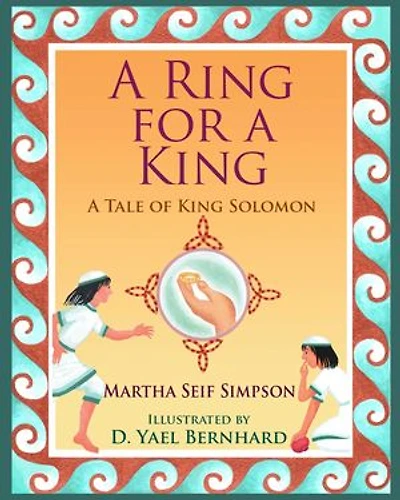















Find at Bramalea City Centre in Brampton, ON
Visit at Bramalea City Centre in Brampton, ON