



Gifting Made Simple
Give the Gift of ChoiceClick below to purchase a Bramalea City Centre eGift Card that can be used at participating retailers at Bramalea City Centre.Purchase HereHome
Demography of Transgender, Nonbinary and Gender Minority Populations
Coles
Loading Inventory...
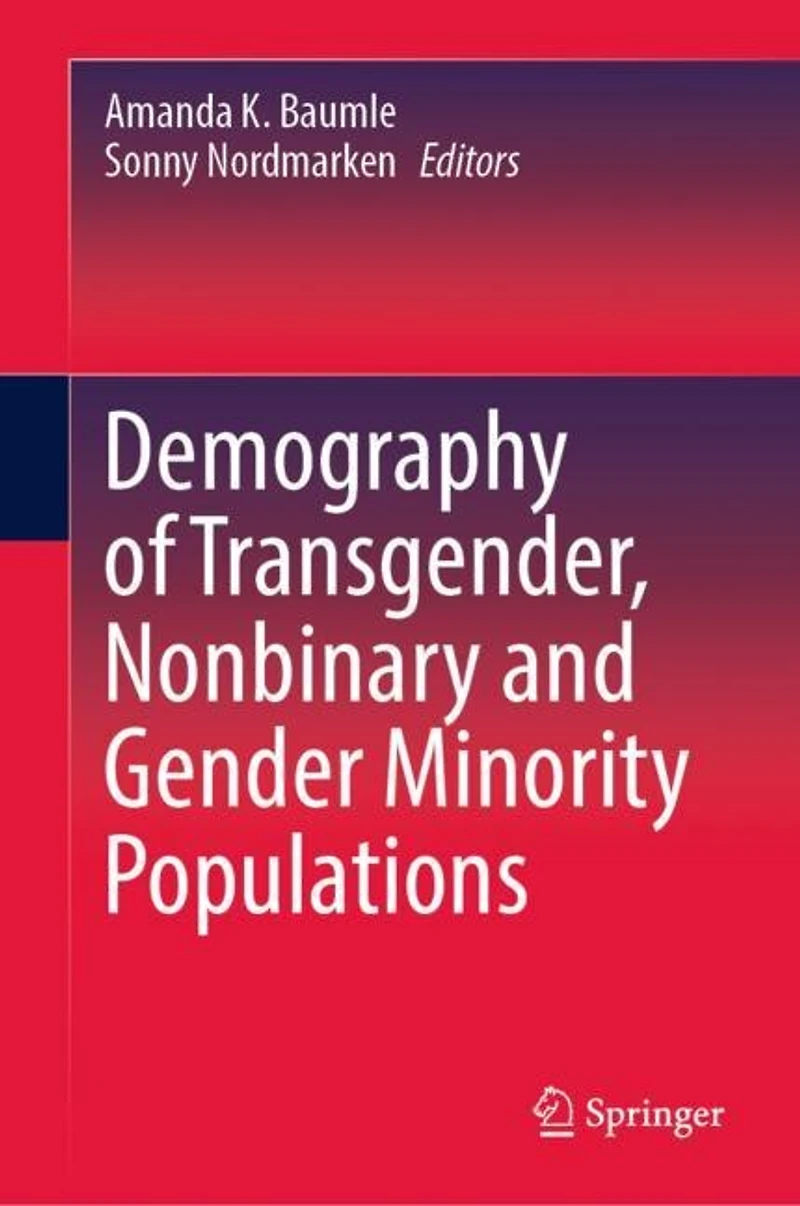
Demography of Transgender, Nonbinary and Gender Minority Populations in Brampton, ON
Current price: $204.50
Coles
Demography of Transgender, Nonbinary and Gender Minority Populations in Brampton, ON
Current price: $204.50
Loading Inventory...
Size: Hardcover
*Product information and pricing may vary - to confirm current pricing, availability, shipping, and return information please contact Coles. In the event of a pricing discrepancy, the retailer's price will apply.
This book provides the first compilation of demographic research focused on transgender, nonbinary, and gender minority populations. It discusses the measurement and conceptualization challenges that shape demographic knowledge of these populations, including how we capture gender on surveys. It examines our current knowledge of demographic characteristics and health disparities and outcomes. Overall, this research demonstrates the increasing knowledge of gender variation at the population level. At the same time, it reveals the need for better survey questions, additional data, and inquiry into a broader subset of demographic questions for these populations as there is little understanding of fundamental demographic information, including migration or spatial distribution of transgender populations, fertility and household structure, labor market outcomes, or broader patterns of morbidity and mortality. The research set forth in this book lays the groundwork for a trans demography that would produce population-level knowledge of these populations and points researchers and policymakers toward needed areas of research, conceptualization, and data collection.
This book provides the first compilation of demographic research focused on transgender, nonbinary, and gender minority populations. It discusses the measurement and conceptualization challenges that shape demographic knowledge of these populations, including how we capture gender on surveys. It examines our current knowledge of demographic characteristics and health disparities and outcomes. Overall, this research demonstrates the increasing knowledge of gender variation at the population level. At the same time, it reveals the need for better survey questions, additional data, and inquiry into a broader subset of demographic questions for these populations as there is little understanding of fundamental demographic information, including migration or spatial distribution of transgender populations, fertility and household structure, labor market outcomes, or broader patterns of morbidity and mortality. The research set forth in this book lays the groundwork for a trans demography that would produce population-level knowledge of these populations and points researchers and policymakers toward needed areas of research, conceptualization, and data collection.
You May Also Like










Find at Bramalea City Centre in Brampton, ON
Visit at Bramalea City Centre in Brampton, ON