



Gifting Made Simple
Give the Gift of ChoiceClick below to purchase a Bramalea City Centre eGift Card that can be used at participating retailers at Bramalea City Centre.Purchase HereHome
Democratic Institutions Guatemala: Theory and Practice
Coles
Loading Inventory...
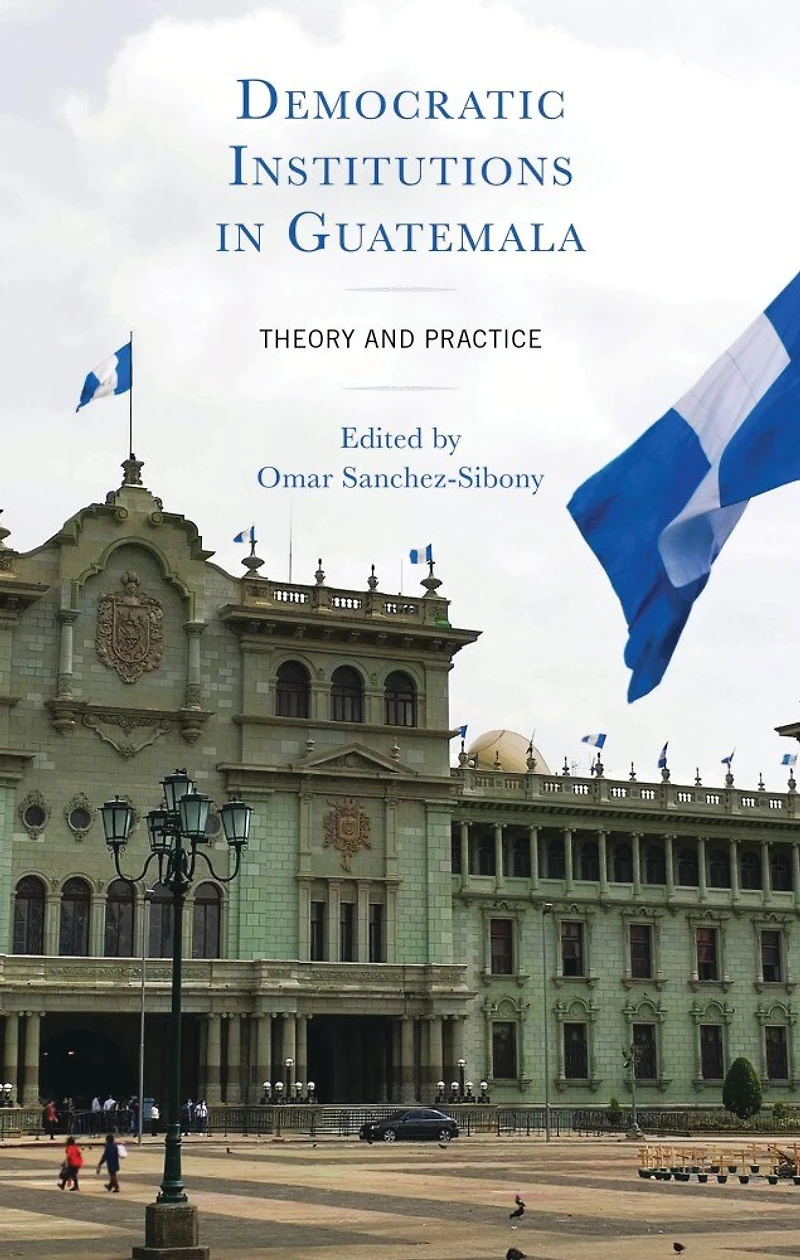
Democratic Institutions Guatemala: Theory and Practice in Brampton, ON
Current price: $211.95
Coles
Democratic Institutions Guatemala: Theory and Practice in Brampton, ON
Current price: $211.95
Loading Inventory...
Size: Hardcover
*Product information and pricing may vary - to confirm current pricing, availability, shipping, and return information please contact Coles. In the event of a pricing discrepancy, the retailer's price will apply.
Democratic Institutions in Guatemala: Theory and Practice advances knowledge about Guatemala's democracy by embedding the country in recent conceptual and theoretical work in comparative politics. This volume sheds light upon the stubborn realities and challenges afflicting Guatemalan democracy during the post Peace Accords era. Each chapter delves into the main democratic institutions, informal practices, and players shaping the operative political game: elections, Congress, the Judiciary, the high courts, presidentialism, criminal actors, political parties, the political left and political right, and the peak business association CACIF. This book seeks to escape the perils of parochialism by placing the country within larger scholarly debates and paradigms.
Democratic Institutions in Guatemala: Theory and Practice advances knowledge about Guatemala's democracy by embedding the country in recent conceptual and theoretical work in comparative politics. This volume sheds light upon the stubborn realities and challenges afflicting Guatemalan democracy during the post Peace Accords era. Each chapter delves into the main democratic institutions, informal practices, and players shaping the operative political game: elections, Congress, the Judiciary, the high courts, presidentialism, criminal actors, political parties, the political left and political right, and the peak business association CACIF. This book seeks to escape the perils of parochialism by placing the country within larger scholarly debates and paradigms.
You May Also Like











Find at Bramalea City Centre in Brampton, ON
Visit at Bramalea City Centre in Brampton, ON