



Gifting Made Simple
Give the Gift of ChoiceClick below to purchase a Bramalea City Centre eGift Card that can be used at participating retailers at Bramalea City Centre.Purchase HereHome
Cultures of Servitude: Modernity, Domesticity, and Class India
Coles
Loading Inventory...
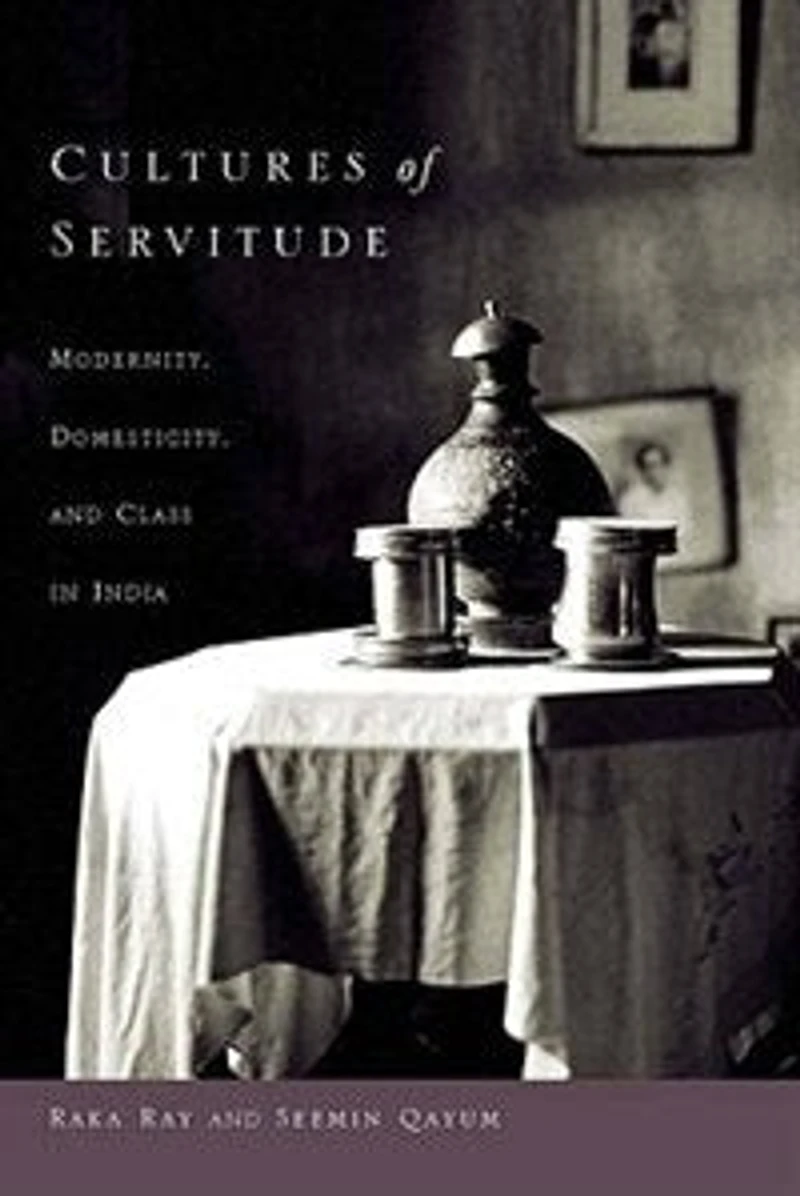
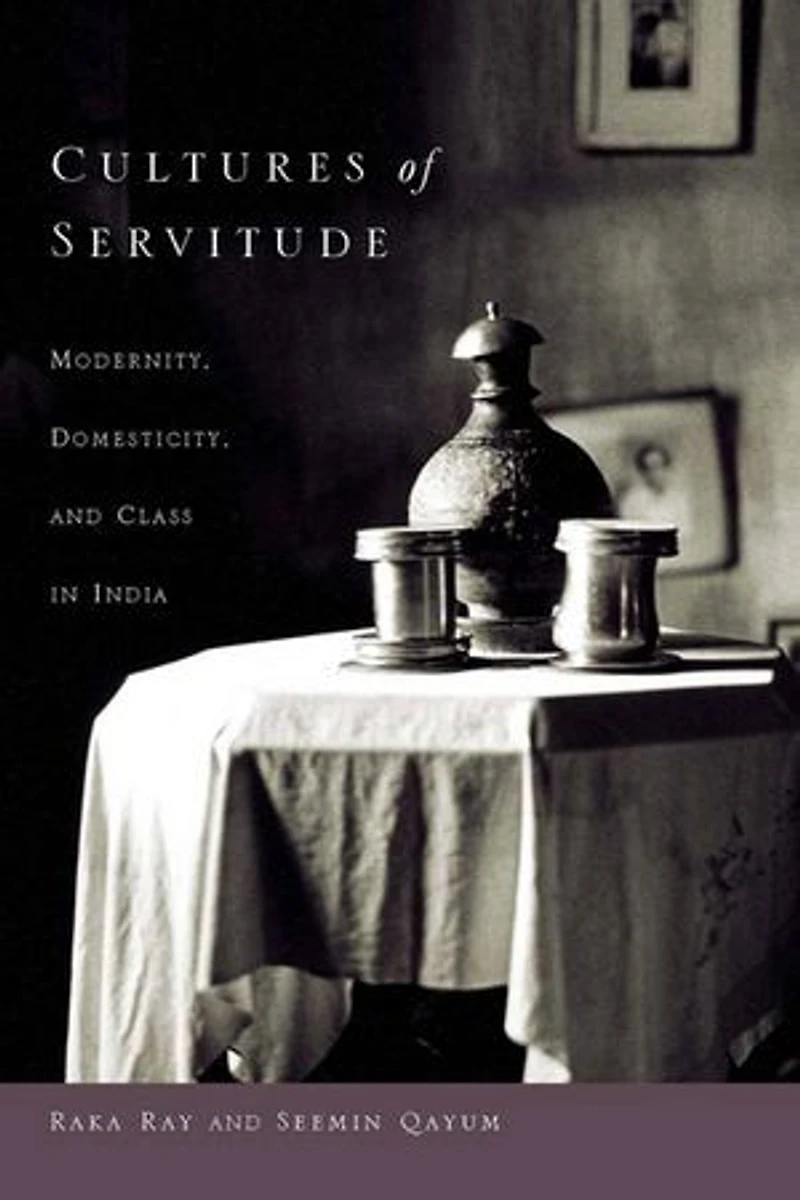
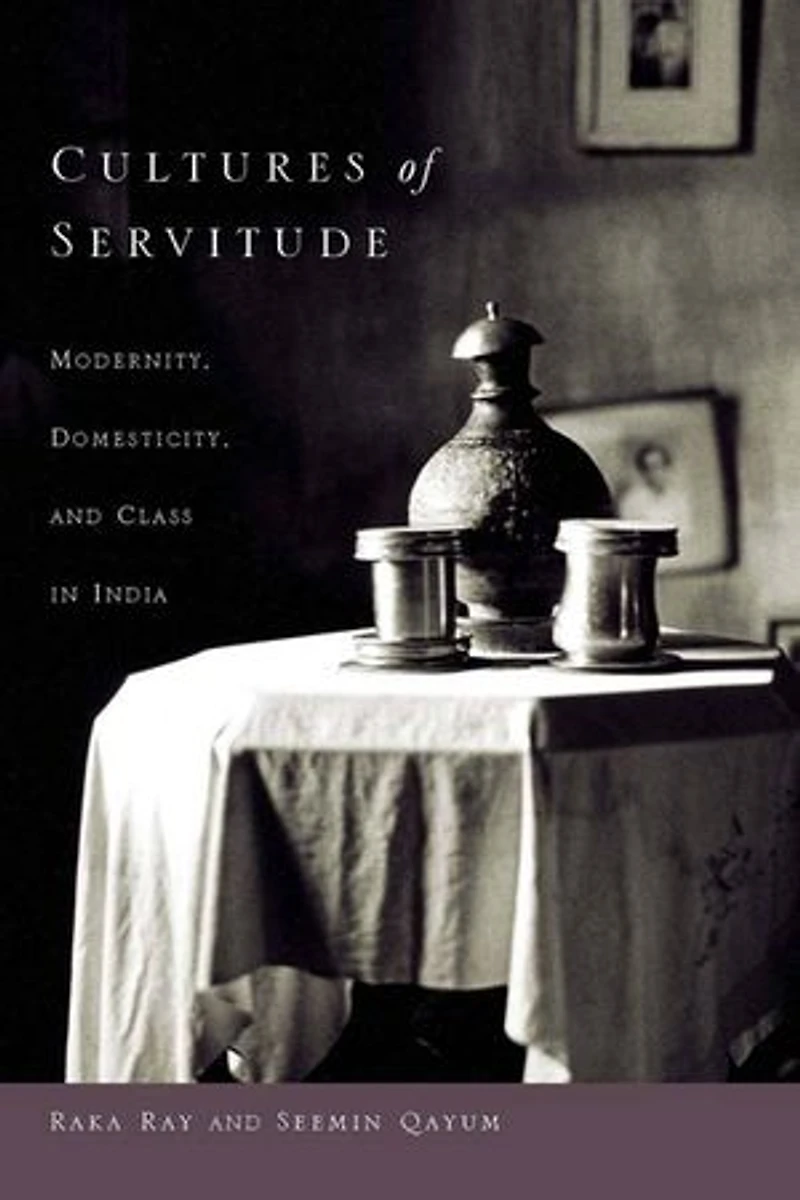
Cultures of Servitude: Modernity, Domesticity, and Class India in Brampton, ON
Current price: $151.99
Coles
Cultures of Servitude: Modernity, Domesticity, and Class India in Brampton, ON
Current price: $151.99
Loading Inventory...
Size: Hardcover
*Product information and pricing may vary - to confirm current pricing, availability, shipping, and return information please contact Coles. In the event of a pricing discrepancy, the retailer's price will apply.
Domestic servitude blurs the divide between family and work, affection and duty, the home and the world. In Cultures of Servitude , Raka Ray and Seemin Qayum offer an ethnographic account of domestic life and servitude in contemporary Kolkata, India, with a concluding comparison with New York City. Focused on employers as well as servants, men as well as women, across multiple generations, they examine the practices and meaning of servitude around the home and in the public sphere.
This book shifts the conversations surrounding domestic service away from an emphasis on the crisis of transnational care work to one about the constitution of class. It reveals how employers position themselves as middle and upper classes through evolving methods of servant and home management, even as servants grapple with the challenges of class and cultural distinction embedded in relations of domination and inequality.
Domestic servitude blurs the divide between family and work, affection and duty, the home and the world. In Cultures of Servitude , Raka Ray and Seemin Qayum offer an ethnographic account of domestic life and servitude in contemporary Kolkata, India, with a concluding comparison with New York City. Focused on employers as well as servants, men as well as women, across multiple generations, they examine the practices and meaning of servitude around the home and in the public sphere.
This book shifts the conversations surrounding domestic service away from an emphasis on the crisis of transnational care work to one about the constitution of class. It reveals how employers position themselves as middle and upper classes through evolving methods of servant and home management, even as servants grapple with the challenges of class and cultural distinction embedded in relations of domination and inequality.
You May Also Like

















Find at Bramalea City Centre in Brampton, ON
Visit at Bramalea City Centre in Brampton, ON