



Gifting Made Simple
Give the Gift of ChoiceClick below to purchase a Bramalea City Centre eGift Card that can be used at participating retailers at Bramalea City Centre.Purchase HereHome
Culture, Politics, and Development in Postcolonial Sri Lanka
Coles
Loading Inventory...
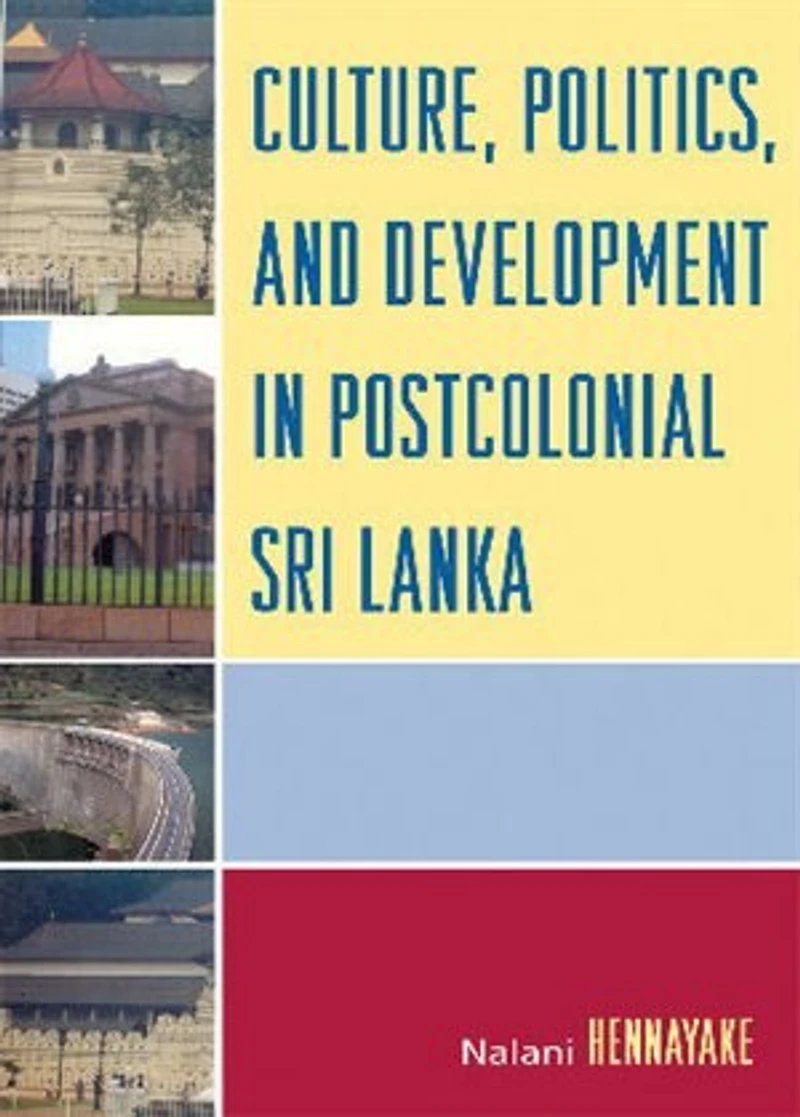
Culture, Politics, and Development in Postcolonial Sri Lanka in Brampton, ON
Current price: $175.50
Coles
Culture, Politics, and Development in Postcolonial Sri Lanka in Brampton, ON
Current price: $175.50
Loading Inventory...
Size: Hardcover
*Product information and pricing may vary - to confirm current pricing, availability, shipping, and return information please contact Coles. In the event of a pricing discrepancy, the retailer's price will apply.
Development has traditionally been identified as a neat 'economic' project without much mention of culture or politics. In this book, Nalani Hennayake unravels how the development experience of a postcolonial society is deeply embedded in a complex historical relationship between culture and politics by focusing on the country of Sri Lanka. It analyzes how this relationship emerges in the context of what the author calls 'the postcolonial paradox' of the Sri Lankan state and society. Hennayake emphasizes that the cultural and political intricacies of development can only be captured by a combination of a sympathetic and critical imagination. One has to be sympathetic not to devalue indigenous discourse and its allied cultural sensibilities, yet be critical to unravel the politics that comes with it. Culture, Politics, and Development in Postcolonial Sri Lanka is an brilliant attempt toward this aim.
Development has traditionally been identified as a neat 'economic' project without much mention of culture or politics. In this book, Nalani Hennayake unravels how the development experience of a postcolonial society is deeply embedded in a complex historical relationship between culture and politics by focusing on the country of Sri Lanka. It analyzes how this relationship emerges in the context of what the author calls 'the postcolonial paradox' of the Sri Lankan state and society. Hennayake emphasizes that the cultural and political intricacies of development can only be captured by a combination of a sympathetic and critical imagination. One has to be sympathetic not to devalue indigenous discourse and its allied cultural sensibilities, yet be critical to unravel the politics that comes with it. Culture, Politics, and Development in Postcolonial Sri Lanka is an brilliant attempt toward this aim.
You May Also Like
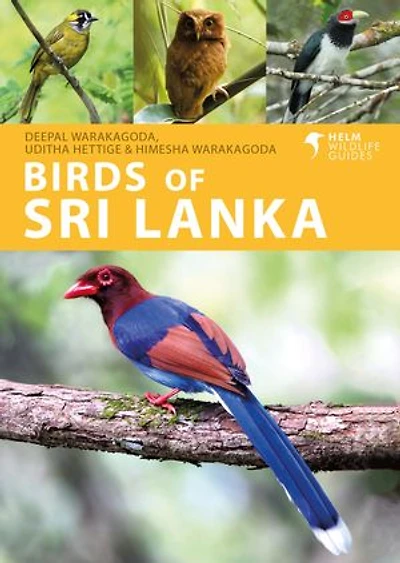
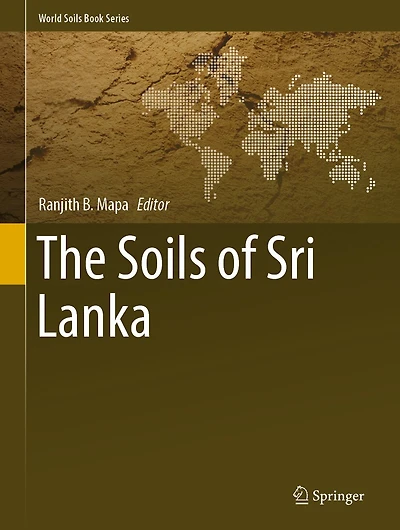
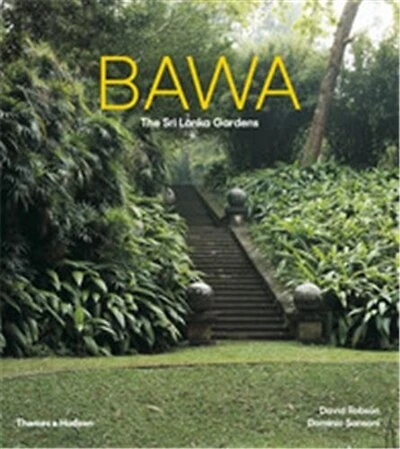









Find at Bramalea City Centre in Brampton, ON
Visit at Bramalea City Centre in Brampton, ON