



Gifting Made Simple
Give the Gift of ChoiceClick below to purchase a Bramalea City Centre eGift Card that can be used at participating retailers at Bramalea City Centre.Purchase HereHome
Cultivating Livability: Food, Class, and the Urban Future Bengaluru
Coles
Loading Inventory...

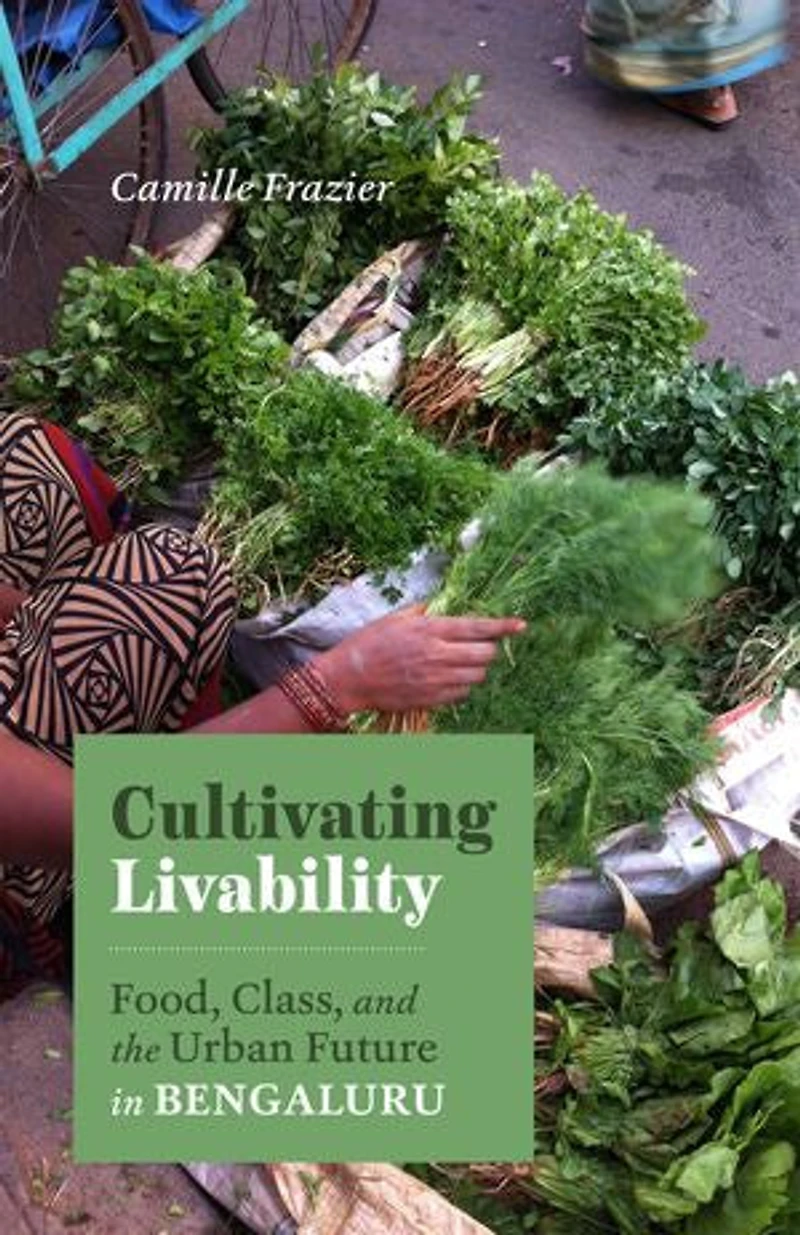
Cultivating Livability: Food, Class, and the Urban Future Bengaluru in Brampton, ON
Current price: $156.99
Coles
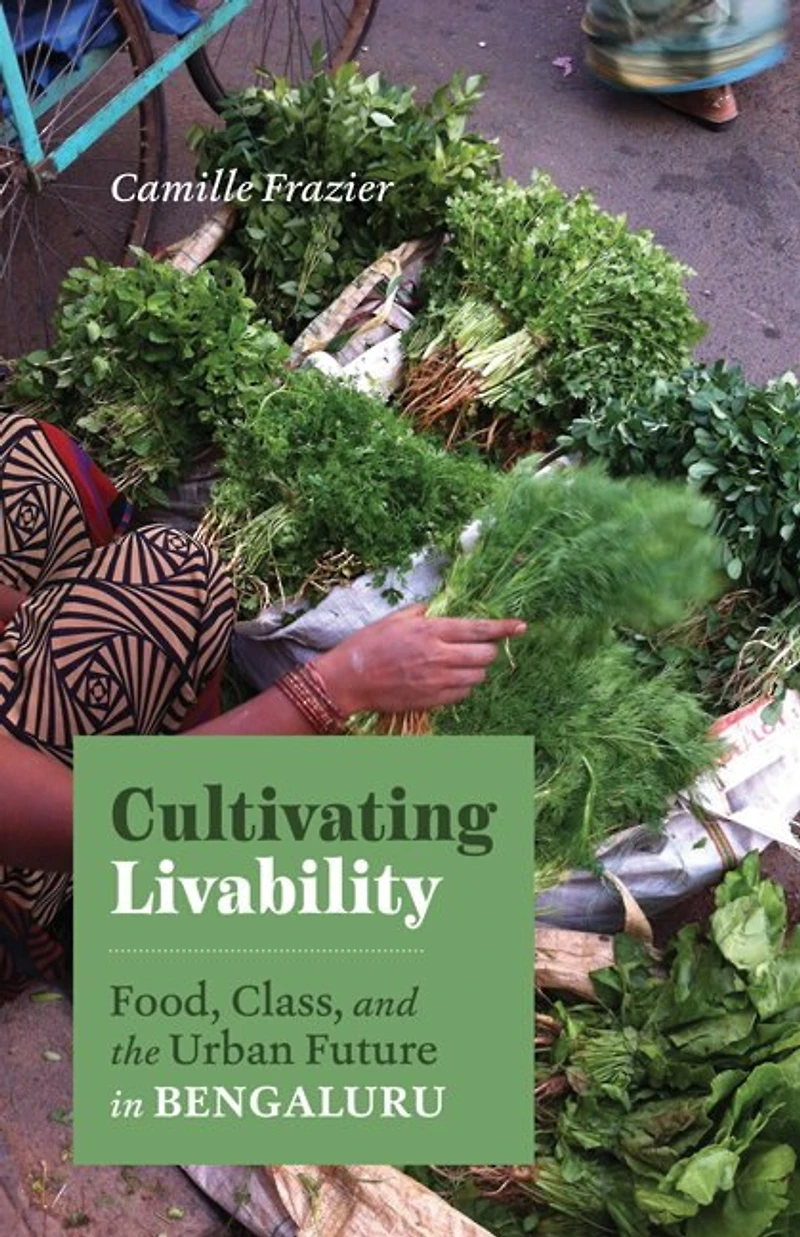
Cultivating Livability: Food, Class, and the Urban Future Bengaluru in Brampton, ON
Current price: $156.99
Loading Inventory...
Size: Hardcover
*Product information and pricing may vary - to confirm current pricing, availability, shipping, and return information please contact Coles. In the event of a pricing discrepancy, the retailer's price will apply.
What urban food networks reveal about middle class livability in times of transformation In recent years, the concept of "livability" has captured the global imagination, influencing discussions about the implications of climate change on human life and inspiring rankings of "most livable cities" in popular publications. But what really makes for a livable life, and for whom? Cultivating Livability takes Bengaluru, India, as a case study-a city that is alternately described as India's most and least livable megacity, where rapid transformation is undergirded by inequalities evident in the food networks connecting peri-urban farmers and the middle-class public. Anthropologist Camille Frazier probes the meaning of "livability" in Bengaluru through ethnographic work among producers and consumers, corporate intermediaries and urban information technology professionals. Examining the varying efforts to reconfigure processes of food production, distribution, retail, and consumption, she reveals how these intersections are often rooted in and exacerbate ongoing forms of disenfranchisement that privilege some lives at the expense of others.
What urban food networks reveal about middle class livability in times of transformation In recent years, the concept of "livability" has captured the global imagination, influencing discussions about the implications of climate change on human life and inspiring rankings of "most livable cities" in popular publications. But what really makes for a livable life, and for whom? Cultivating Livability takes Bengaluru, India, as a case study-a city that is alternately described as India's most and least livable megacity, where rapid transformation is undergirded by inequalities evident in the food networks connecting peri-urban farmers and the middle-class public. Anthropologist Camille Frazier probes the meaning of "livability" in Bengaluru through ethnographic work among producers and consumers, corporate intermediaries and urban information technology professionals. Examining the varying efforts to reconfigure processes of food production, distribution, retail, and consumption, she reveals how these intersections are often rooted in and exacerbate ongoing forms of disenfranchisement that privilege some lives at the expense of others.
You May Also Like










Find at Bramalea City Centre in Brampton, ON
Visit at Bramalea City Centre in Brampton, ON