



Gifting Made Simple
Give the Gift of ChoiceClick below to purchase a Bramalea City Centre eGift Card that can be used at participating retailers at Bramalea City Centre.Purchase HereHome
Culinary Nationalism Asia
Coles
Loading Inventory...
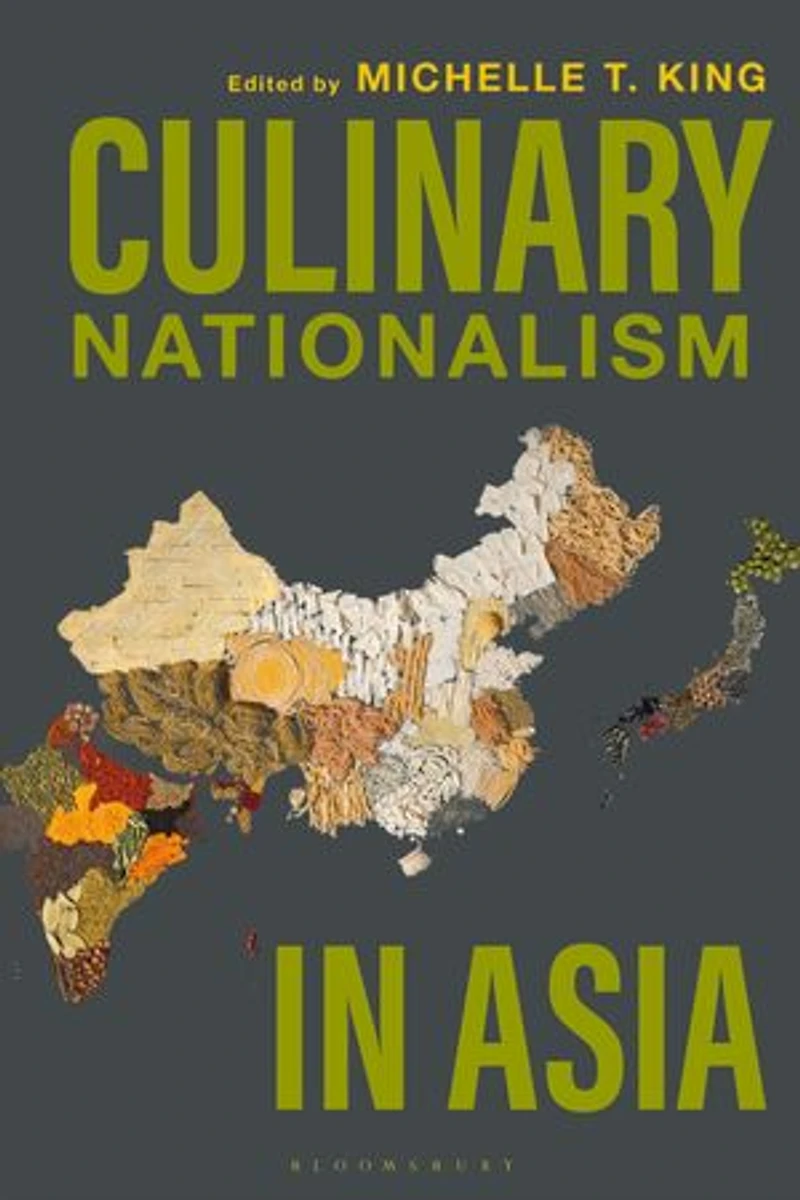
Culinary Nationalism Asia in Brampton, ON
Current price: $45.39
Original price: $56.65
Coles
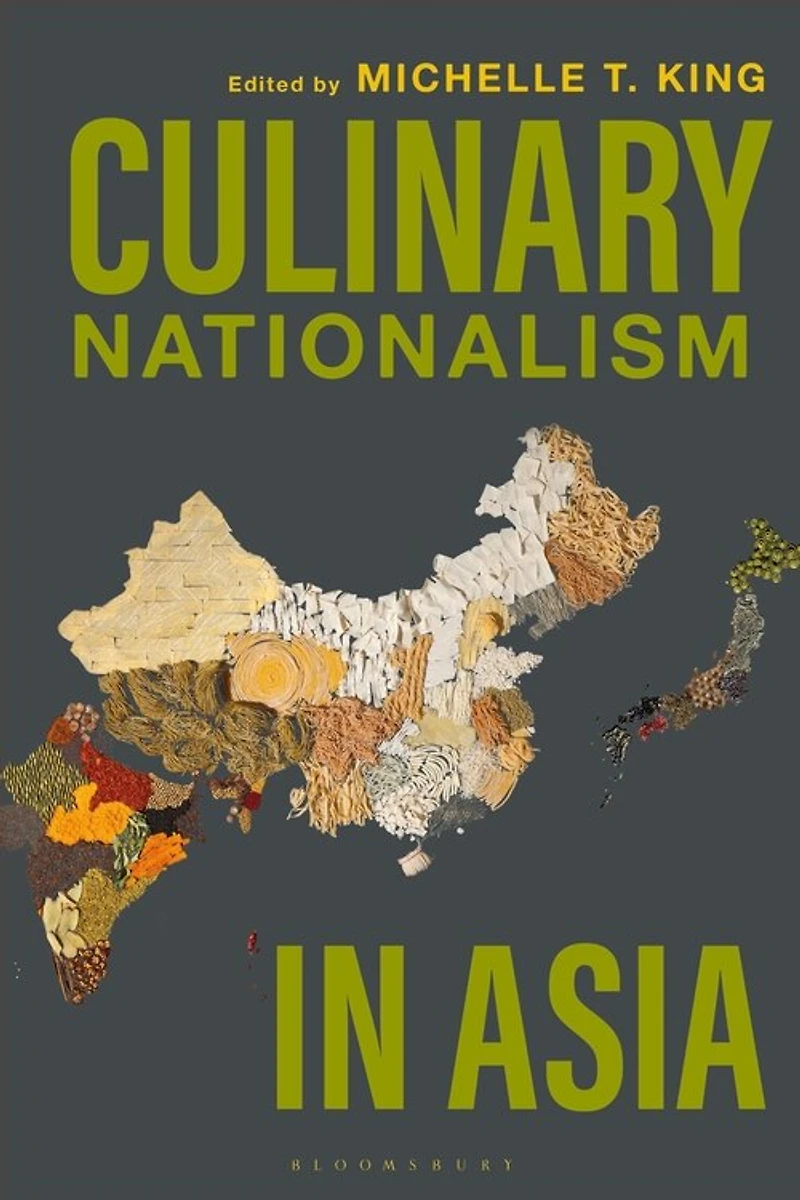
Culinary Nationalism Asia in Brampton, ON
Current price: $45.39
Original price: $56.65
Loading Inventory...
Size: Kobo eBook
*Product information and pricing may vary - to confirm current pricing, availability, shipping, and return information please contact Coles. In the event of a pricing discrepancy, the retailer's price will apply.
Winner of the Association for the Study of Food and Society's Best Edited Volume 2021 With culinary nationalism defined as a process in flux, as opposed to the limited concept of national cuisine, the contributors of this book call for explicit critical comparisons of cases of culinary nationalism among Asian regions, with the intention of recognizing patterns of modern culinary development. As a result, the formation of modern cuisine is revealed to be a process that takes place around the world, in different forms and periods, and not exclusive to current Eurocentric models. Key themes include the historical legacies of imperialism/colonialism, nationalism, the Cold War, and global capitalism in Asian cuisines; internal culinary boundaries between genders, ethnicities, social classes, religious groups, and perceived traditions/modernities; and global contexts of Asian cuisines as both nationalist and internationalist enterprises, and "Asia" itself as a vibrant culinary imaginary. The book, which includes a foreword from Krishnendu Ray and an afterword from James L. Watson, sets out a fresh agenda for thinking about future food studies scholarship.
Winner of the Association for the Study of Food and Society's Best Edited Volume 2021 With culinary nationalism defined as a process in flux, as opposed to the limited concept of national cuisine, the contributors of this book call for explicit critical comparisons of cases of culinary nationalism among Asian regions, with the intention of recognizing patterns of modern culinary development. As a result, the formation of modern cuisine is revealed to be a process that takes place around the world, in different forms and periods, and not exclusive to current Eurocentric models. Key themes include the historical legacies of imperialism/colonialism, nationalism, the Cold War, and global capitalism in Asian cuisines; internal culinary boundaries between genders, ethnicities, social classes, religious groups, and perceived traditions/modernities; and global contexts of Asian cuisines as both nationalist and internationalist enterprises, and "Asia" itself as a vibrant culinary imaginary. The book, which includes a foreword from Krishnendu Ray and an afterword from James L. Watson, sets out a fresh agenda for thinking about future food studies scholarship.
You May Also Like

















Find at Bramalea City Centre in Brampton, ON
Visit at Bramalea City Centre in Brampton, ON