



Gifting Made Simple
Give the Gift of ChoiceClick below to purchase a Bramalea City Centre eGift Card that can be used at participating retailers at Bramalea City Centre.Purchase HereHome
Cryptocurrency Regulation: A Reflexive Law Approach
Coles
Loading Inventory...
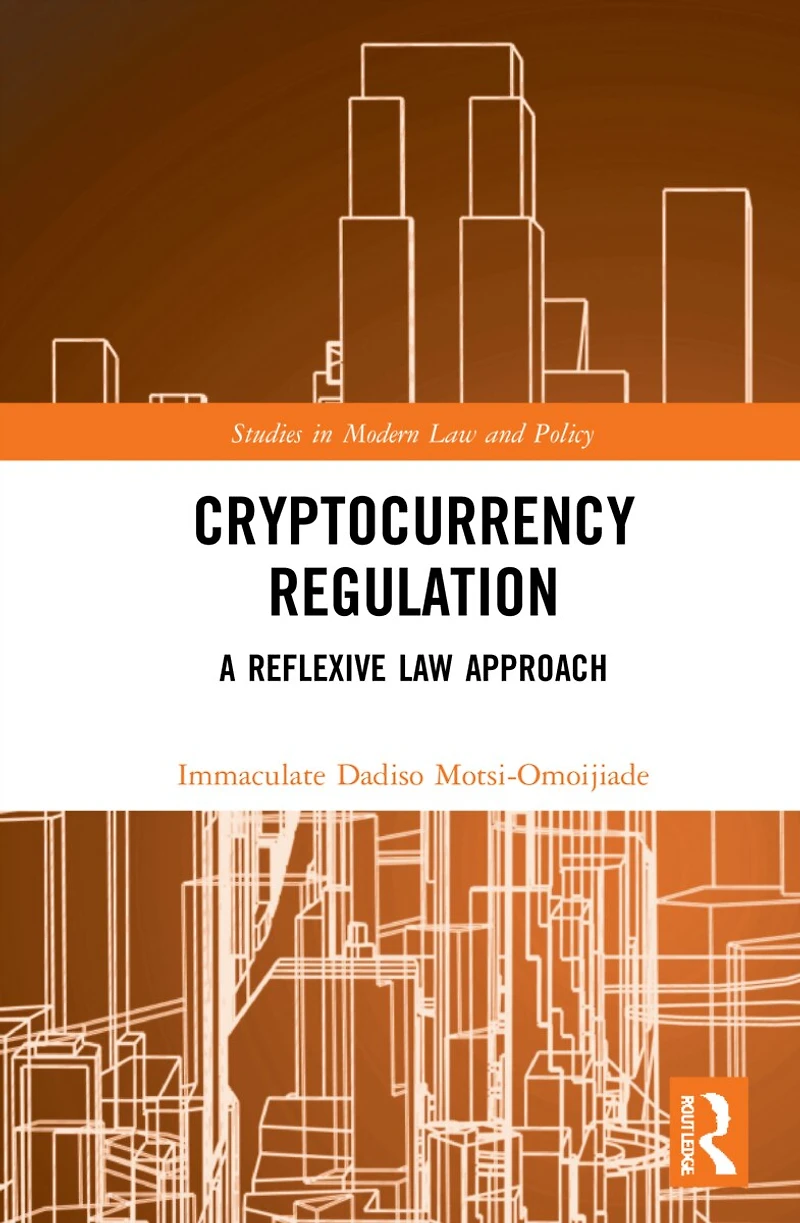
Cryptocurrency Regulation: A Reflexive Law Approach in Brampton, ON
By None
Current price: $296.50
Coles
Cryptocurrency Regulation: A Reflexive Law Approach in Brampton, ON
By None
Current price: $296.50
Loading Inventory...
Size: Hardcover
*Product information and pricing may vary - to confirm current pricing, availability, shipping, and return information please contact Coles. In the event of a pricing discrepancy, the retailer's price will apply.
This work argues that current cryptocurrency regulation, particularly in the areas of enforcement and compliance, is inadequate. It proposes reflexive regulation as an alternative approach. This book provides strategies for a reflexive regulation approach to cryptocurrencies, developed through the identification of the internal self-regulatory mechanisms of the cryptocurrency system. Apportioning blame for current problems to the regulators' failure to take into account the inherent technical features of cryptocurrencies, the work promotes reflexive regulation in which the law acts at a subsystem-specific level to install, correct, and redefine democratic self-regulatory mechanisms. It provides strategies for this approach, developed through the identification of the internal self-regulatory mechanisms of the cryptocurrency system. These are identified as imbedded in the technical functionality of computer code and consensus-based distributive governance mechanisms respectively. In addition to providing a technical, historical and legal overview of cryptocurrencies, the book concludes by providing recommendations aimed at redirecting code and consensus towards achieving regulatory goals. In this way, it draws from the theory of reflexive law, in order to provide both a substantive and jurisprudential perspective on the regulation of cryptocurrencies and to illustrate how Financial Technology (Fintech) regulation can only be effective once regulators consider both the 'Fin' and the 'tech' in their regulatory approaches. The book will be of interest to researchers, academics and policy-makers working in the areas of Financial Regulation and Jurisprudence, Financial Crime, Banking Regulation, Information Systems, and Information Technology.
This work argues that current cryptocurrency regulation, particularly in the areas of enforcement and compliance, is inadequate. It proposes reflexive regulation as an alternative approach. This book provides strategies for a reflexive regulation approach to cryptocurrencies, developed through the identification of the internal self-regulatory mechanisms of the cryptocurrency system. Apportioning blame for current problems to the regulators' failure to take into account the inherent technical features of cryptocurrencies, the work promotes reflexive regulation in which the law acts at a subsystem-specific level to install, correct, and redefine democratic self-regulatory mechanisms. It provides strategies for this approach, developed through the identification of the internal self-regulatory mechanisms of the cryptocurrency system. These are identified as imbedded in the technical functionality of computer code and consensus-based distributive governance mechanisms respectively. In addition to providing a technical, historical and legal overview of cryptocurrencies, the book concludes by providing recommendations aimed at redirecting code and consensus towards achieving regulatory goals. In this way, it draws from the theory of reflexive law, in order to provide both a substantive and jurisprudential perspective on the regulation of cryptocurrencies and to illustrate how Financial Technology (Fintech) regulation can only be effective once regulators consider both the 'Fin' and the 'tech' in their regulatory approaches. The book will be of interest to researchers, academics and policy-makers working in the areas of Financial Regulation and Jurisprudence, Financial Crime, Banking Regulation, Information Systems, and Information Technology.
You May Also Like














More About Coles at Bramalea City Centre
Making Connections. Creating Experiences. We exist to add a little joy to our customers’ lives, each time they interact with us.
Store Info
Find Coles at Bramalea City Centre in Brampton, ON
Visit Coles at Bramalea City Centre in Brampton, ON