



Gifting Made Simple
Give the Gift of ChoiceClick below to purchase a Bramalea City Centre eGift Card that can be used at participating retailers at Bramalea City Centre.Purchase HereHome
Critical Pluralism, Democratic Performance, and Community Power
Coles
Loading Inventory...
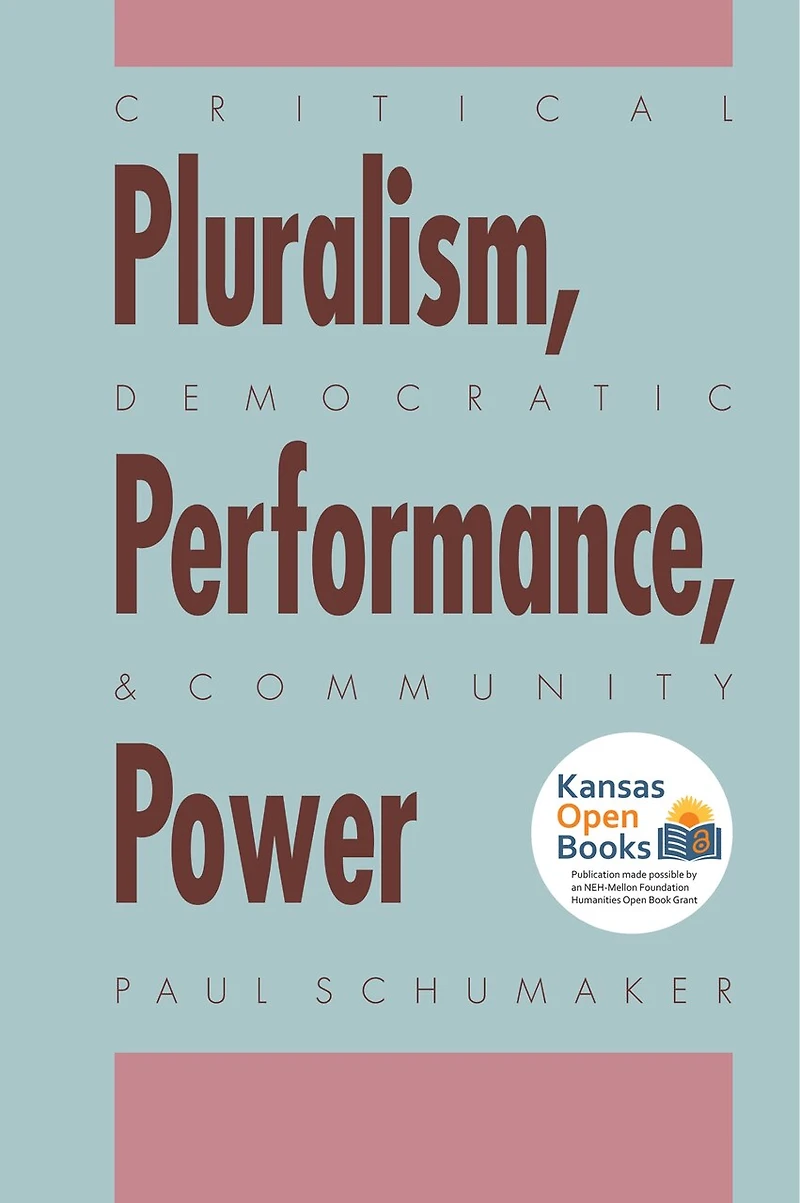
Critical Pluralism, Democratic Performance, and Community Power in Brampton, ON
Current price: $34.51
Coles
Critical Pluralism, Democratic Performance, and Community Power in Brampton, ON
Current price: $34.51
Loading Inventory...
Size: Paperback
*Product information and pricing may vary - to confirm current pricing, availability, shipping, and return information please contact Coles. In the event of a pricing discrepancy, the retailer's price will apply.
A central question in political science is who governs and how. Typically political scientists attempt to answer this question by relying upon either empirical analysis, which explains existing political practices, or normative analysis, which prescribes ideal political practices. Political scientist Paul Schumaker rejects this distinction between empirical and normative theory. Instead, he weds the two approaches to create the new analytical mode he calls critical pluralism. With it he can measure variances in government from pluralist/democratic ideals and still provide theoretical explanations of why the variances occurred. Schumaker uses critical pluralism to describe, explain, and evaluate variations in three key measures of democratic performance: responsible representation, complex equality, and principle-policy congruence. To test his framework and methodology he analyzes 29 community issues that arose in Lawrence, Kansas, between 1977 and 1987. The results of his study—one of the most comprehensive databases ever in the study of community politics—will be of interest to those who study community power. The conceptual framework itself and methodology used in assessing democratic performance will have a lasting impact on the way community government is studied.
A central question in political science is who governs and how. Typically political scientists attempt to answer this question by relying upon either empirical analysis, which explains existing political practices, or normative analysis, which prescribes ideal political practices. Political scientist Paul Schumaker rejects this distinction between empirical and normative theory. Instead, he weds the two approaches to create the new analytical mode he calls critical pluralism. With it he can measure variances in government from pluralist/democratic ideals and still provide theoretical explanations of why the variances occurred. Schumaker uses critical pluralism to describe, explain, and evaluate variations in three key measures of democratic performance: responsible representation, complex equality, and principle-policy congruence. To test his framework and methodology he analyzes 29 community issues that arose in Lawrence, Kansas, between 1977 and 1987. The results of his study—one of the most comprehensive databases ever in the study of community politics—will be of interest to those who study community power. The conceptual framework itself and methodology used in assessing democratic performance will have a lasting impact on the way community government is studied.
You May Also Like












Find at Bramalea City Centre in Brampton, ON
Visit at Bramalea City Centre in Brampton, ON