



Gifting Made Simple
Give the Gift of ChoiceClick below to purchase a Bramalea City Centre eGift Card that can be used at participating retailers at Bramalea City Centre.Purchase HereHome
Critical Perspectives of Educational Technology in Africa: Design, Implementation, and Evaluation
Coles
Loading Inventory...
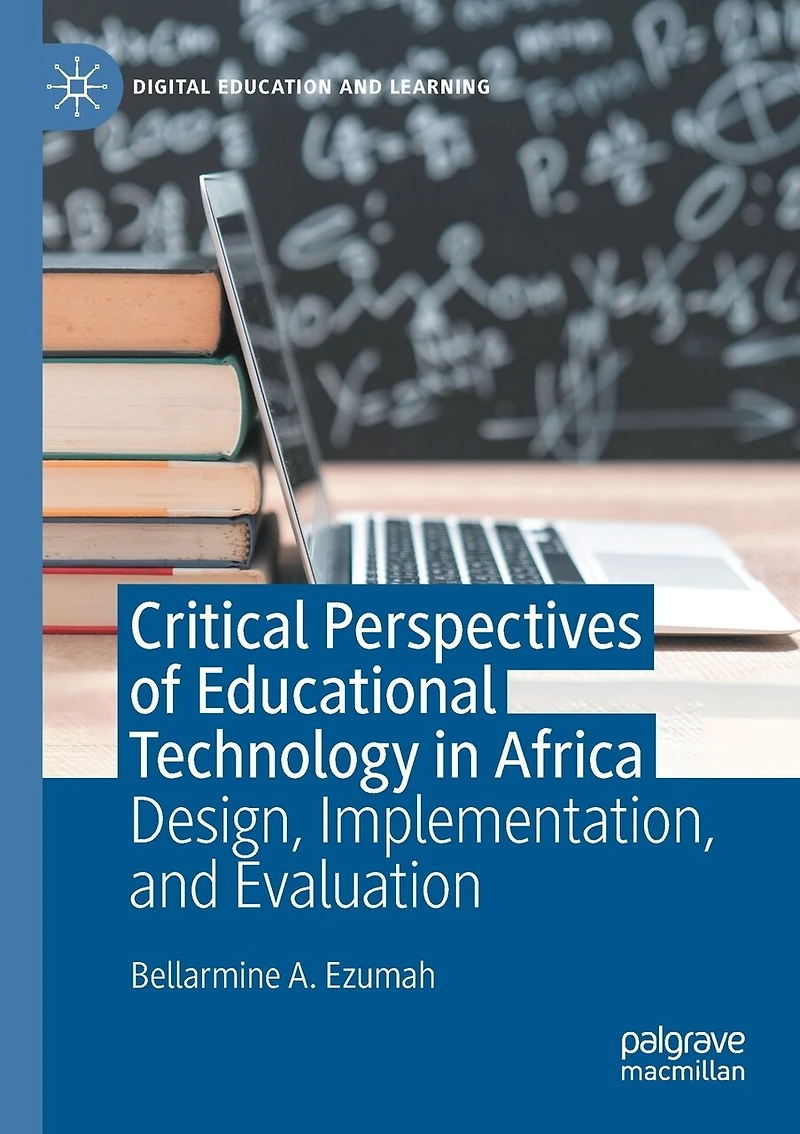
Critical Perspectives of Educational Technology in Africa: Design, Implementation, and Evaluation in Brampton, ON
Current price: $80.50
Coles
Critical Perspectives of Educational Technology in Africa: Design, Implementation, and Evaluation in Brampton, ON
Current price: $80.50
Loading Inventory...
Size: Paperback
*Product information and pricing may vary - to confirm current pricing, availability, shipping, and return information please contact Coles. In the event of a pricing discrepancy, the retailer's price will apply.
This book is a critical-cultural evaluation of educational technology adoption in Sub-Saharan Africa, including projects such as the OLPC (One Laptop Per Child). It presents efficient ways of improving education delivery among low-income communities through designing and implementing congruent educational technologies that incorporate social and cultural proclivities. Ezumah defines technology with regards to pedagogy, and seeks to debunk the assumption that educational technology consists only of digital and interactive options. Additionally, she argues for a narrative paradigm shift aimed at validating analog technologies as equally capable of providing necessary and desired educational objectives and outcomes for communities who cannot afford the digital alternatives. By comparing African educational systems in precolonial, colonial, and post-colonial times and incorporating the history of technology transfers from the Global North to South, the book highlights cultural imperialism, development theory, neocolonialism, and hegemonic tendencies.
This book is a critical-cultural evaluation of educational technology adoption in Sub-Saharan Africa, including projects such as the OLPC (One Laptop Per Child). It presents efficient ways of improving education delivery among low-income communities through designing and implementing congruent educational technologies that incorporate social and cultural proclivities. Ezumah defines technology with regards to pedagogy, and seeks to debunk the assumption that educational technology consists only of digital and interactive options. Additionally, she argues for a narrative paradigm shift aimed at validating analog technologies as equally capable of providing necessary and desired educational objectives and outcomes for communities who cannot afford the digital alternatives. By comparing African educational systems in precolonial, colonial, and post-colonial times and incorporating the history of technology transfers from the Global North to South, the book highlights cultural imperialism, development theory, neocolonialism, and hegemonic tendencies.
You May Also Like













Find at Bramalea City Centre in Brampton, ON
Visit at Bramalea City Centre in Brampton, ON