



Gifting Made Simple
Give the Gift of ChoiceClick below to purchase a Bramalea City Centre eGift Card that can be used at participating retailers at Bramalea City Centre.Purchase HereHome
Creating a Shared Moral Community: The Building of Mosque Congregation London
Coles
Loading Inventory...
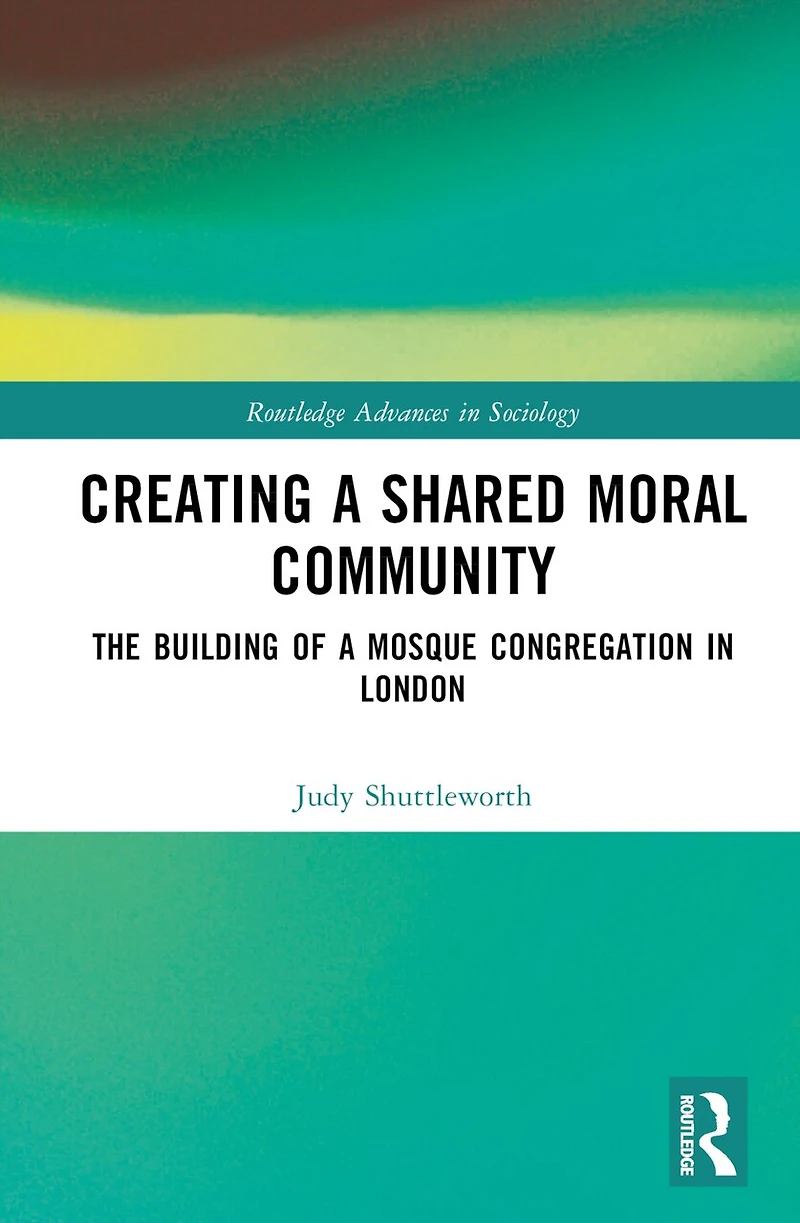
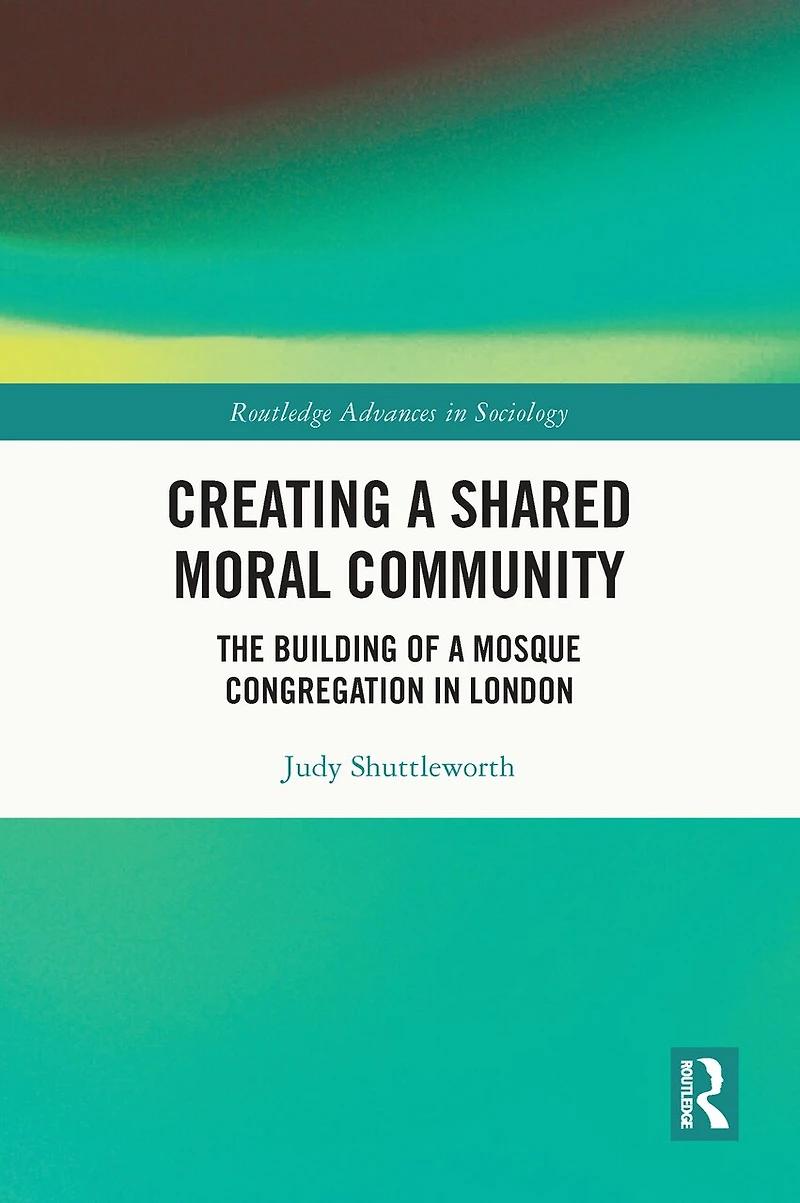
Creating a Shared Moral Community: The Building of Mosque Congregation London in Brampton, ON
Current price: $266.50
Coles
Creating a Shared Moral Community: The Building of Mosque Congregation London in Brampton, ON
Current price: $266.50
Loading Inventory...
Size: Hardcover
*Product information and pricing may vary - to confirm current pricing, availability, shipping, and return information please contact Coles. In the event of a pricing discrepancy, the retailer's price will apply.
This book explores the religious, educational, and social practice of a Muslim congregation and the moral world it generated within a mosque in UK. The life of the mosque is described through religious practice, communal activities and informal encounters and the history and ideas that shaped the moral world and thinking of the Indo-Guyanese who built it. Marked by a double diaspora experience with its implication of loss and re-imagining, the congregation's conception of living a Muslim life is embodied in both ritual and in styles of comportment and socializing while religious concerns are voiced in sermons, in religious classes and in responses to everyday situations. Links are made between anthropology and developmental and psychoanalytic understandings of embodied experience and the emergence of ethical capacity. This account contributes to the literature on Muslim communities in Europe and 'ordinary ethics.' As such, the book will be of interest to sociologists and anthropologists, to those involved in religious and psycho-social studies, and to clinicians working with Muslim communities.
This book explores the religious, educational, and social practice of a Muslim congregation and the moral world it generated within a mosque in UK. The life of the mosque is described through religious practice, communal activities and informal encounters and the history and ideas that shaped the moral world and thinking of the Indo-Guyanese who built it. Marked by a double diaspora experience with its implication of loss and re-imagining, the congregation's conception of living a Muslim life is embodied in both ritual and in styles of comportment and socializing while religious concerns are voiced in sermons, in religious classes and in responses to everyday situations. Links are made between anthropology and developmental and psychoanalytic understandings of embodied experience and the emergence of ethical capacity. This account contributes to the literature on Muslim communities in Europe and 'ordinary ethics.' As such, the book will be of interest to sociologists and anthropologists, to those involved in religious and psycho-social studies, and to clinicians working with Muslim communities.
You May Also Like









Find at Bramalea City Centre in Brampton, ON
Visit at Bramalea City Centre in Brampton, ON