



Gifting Made Simple
Give the Gift of ChoiceClick below to purchase a Bramalea City Centre eGift Card that can be used at participating retailers at Bramalea City Centre.Purchase HereHome
Constituent Power in Early Modern Political Philosophy: From La Boétie to Hobbes
Coles
Loading Inventory...
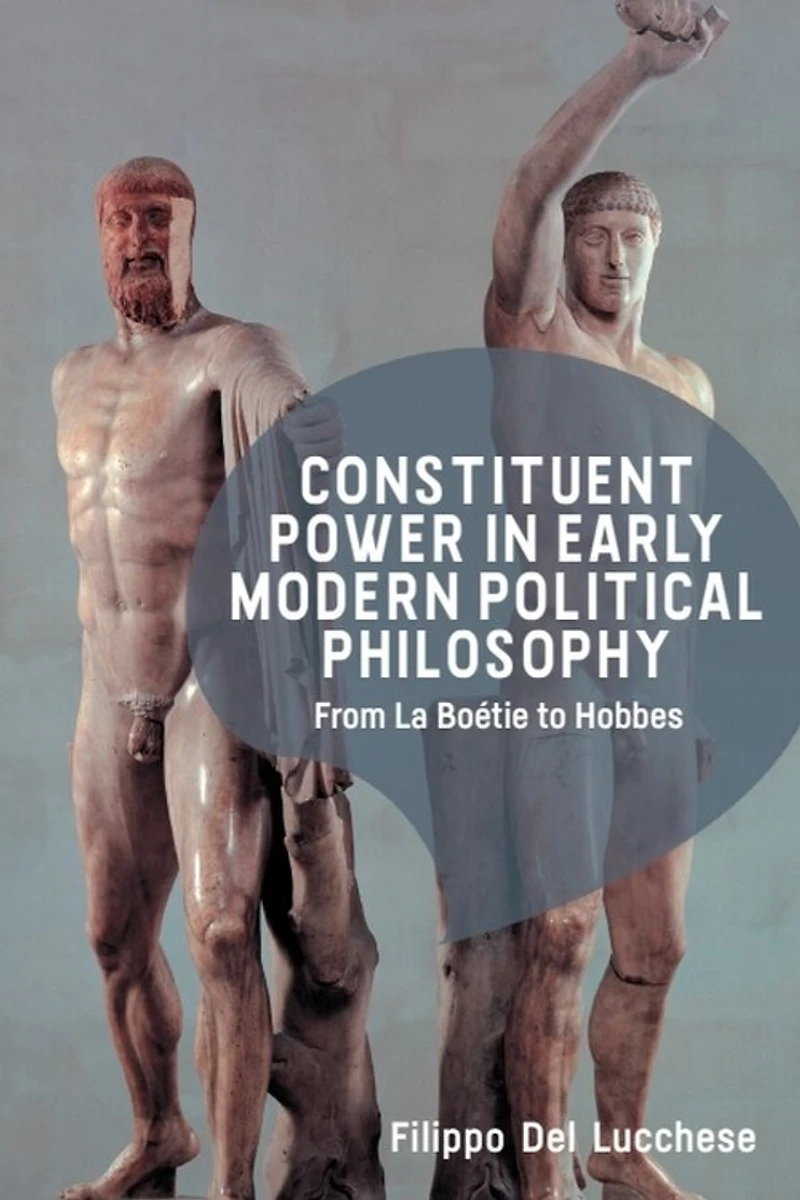
Constituent Power in Early Modern Political Philosophy: From La Boétie to Hobbes in Brampton, ON
Current price: $155.99
Coles
Constituent Power in Early Modern Political Philosophy: From La Boétie to Hobbes in Brampton, ON
Current price: $155.99
Loading Inventory...
Size: Hardcover
*Product information and pricing may vary - to confirm current pricing, availability, shipping, and return information please contact Coles. In the event of a pricing discrepancy, the retailer's price will apply.
This book offers an in-depth examination of constituent power through the writings of six major philosophers from the 16th and 17th centuries, highlighting how their ideas have shaped the foundation and transformation of political philosophy.
Filippo Del Lucchese delves into how La Boétie, Bodin, Lipsius, Campanella, Suárez and Hobbes conceptualized and influenced the evolution of this fundamental political idea. By examining their writings, he illuminates the diverse interpretations and the profound impact these thinkers had on the formation of political authority and constitutional frameworks. He also bridges this historical analysis with contemporary debates on democracy, sovereignty and the enduring tension between political foundation and institutional stability in modern legal and political theory.
This book offers an in-depth examination of constituent power through the writings of six major philosophers from the 16th and 17th centuries, highlighting how their ideas have shaped the foundation and transformation of political philosophy.
Filippo Del Lucchese delves into how La Boétie, Bodin, Lipsius, Campanella, Suárez and Hobbes conceptualized and influenced the evolution of this fundamental political idea. By examining their writings, he illuminates the diverse interpretations and the profound impact these thinkers had on the formation of political authority and constitutional frameworks. He also bridges this historical analysis with contemporary debates on democracy, sovereignty and the enduring tension between political foundation and institutional stability in modern legal and political theory.
You May Also Like









Find at Bramalea City Centre in Brampton, ON
Visit at Bramalea City Centre in Brampton, ON