



Gifting Made Simple
Give the Gift of ChoiceClick below to purchase a Bramalea City Centre eGift Card that can be used at participating retailers at Bramalea City Centre.Purchase HereHome
Constant Crisis: Deconstructing the Civil Wars in Norway, ca. 1180–1220
Coles
Loading Inventory...
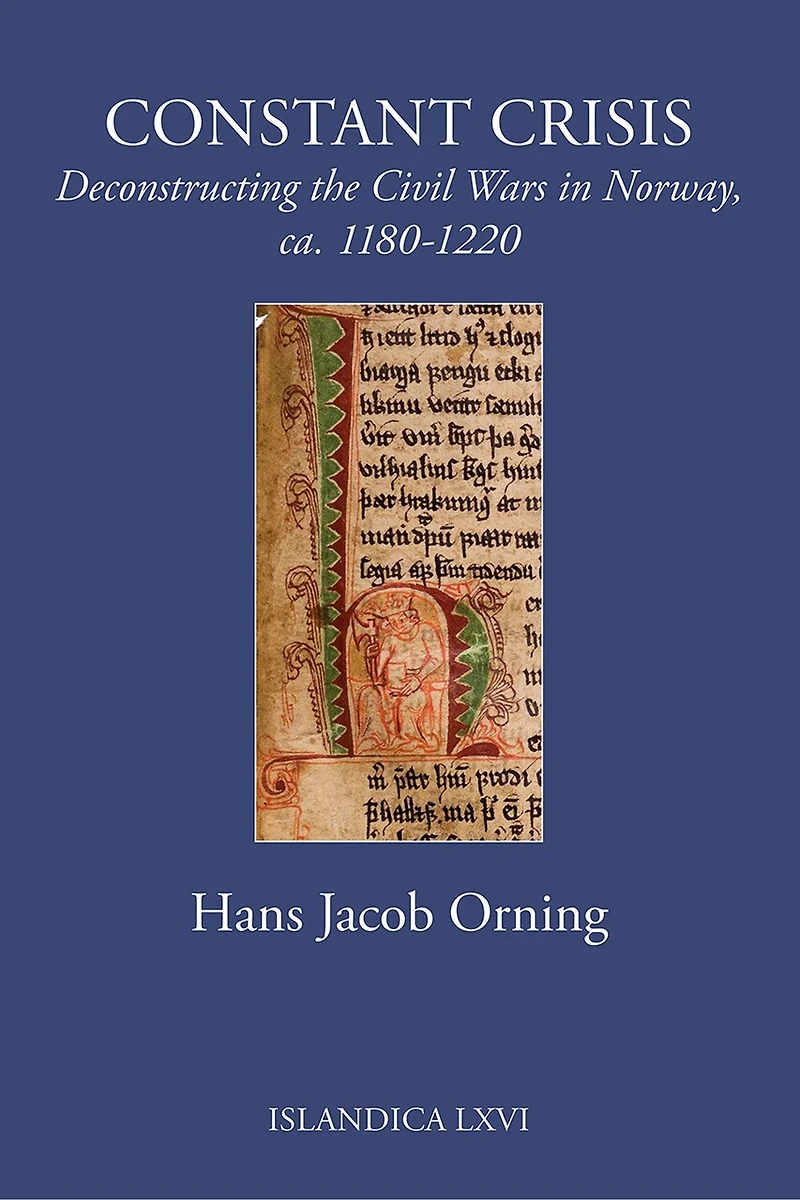
Constant Crisis: Deconstructing the Civil Wars in Norway, ca. 1180–1220 in Brampton, ON
Current price: $87.95
Coles
Constant Crisis: Deconstructing the Civil Wars in Norway, ca. 1180–1220 in Brampton, ON
Current price: $87.95
Loading Inventory...
Size: Hardcover
*Product information and pricing may vary - to confirm current pricing, availability, shipping, and return information please contact Coles. In the event of a pricing discrepancy, the retailer's price will apply.
Constant Crisis focuses on the culmination of struggles in the medieval Norwegian kingdom to examine whether these conflicts underscored a breakdown of society and polity or whether they created an equilibrium among factions that in fact "served to contain violence." Applying the term "constant crisis" for its deliberate "dissonance," Hans Jacob Orning observes that two properties were manifest in Norwegian political and social structures of the twelfth and thirteenth centuries: a systemic balance achieved in an environment of "endemic power struggles," and a normalization of these conflicts that made it "possible to maneuver and make plans and strategies." The kings' sagas Sverris saga and Bglunga sgur are virtually indispensable sources of information on this period of Norwegian history, and Orning relies extensively on them, as well as on other medieval sources, to depict this era and its protagonists, including the major rival armed groups (the Birchlegs and the Croziers); and among kings, bishops, and earls, the person of King Sverre himself.
Constant Crisis focuses on the culmination of struggles in the medieval Norwegian kingdom to examine whether these conflicts underscored a breakdown of society and polity or whether they created an equilibrium among factions that in fact "served to contain violence." Applying the term "constant crisis" for its deliberate "dissonance," Hans Jacob Orning observes that two properties were manifest in Norwegian political and social structures of the twelfth and thirteenth centuries: a systemic balance achieved in an environment of "endemic power struggles," and a normalization of these conflicts that made it "possible to maneuver and make plans and strategies." The kings' sagas Sverris saga and Bglunga sgur are virtually indispensable sources of information on this period of Norwegian history, and Orning relies extensively on them, as well as on other medieval sources, to depict this era and its protagonists, including the major rival armed groups (the Birchlegs and the Croziers); and among kings, bishops, and earls, the person of King Sverre himself.
You May Also Like

![Civil War [UHD]](https://www.sunriserecords.com/images/default/thumbnails/products/81i1dOEHKyL.ACSL1500.jpg)








Find at Bramalea City Centre in Brampton, ON
Visit at Bramalea City Centre in Brampton, ON