



Gifting Made Simple
Give the Gift of ChoiceClick below to purchase a Bramalea City Centre eGift Card that can be used at participating retailers at Bramalea City Centre.Purchase HereHome
Conservation Practices at Foreign-run Archaeological Excavations in Turkey: A critical review
Coles
Loading Inventory...
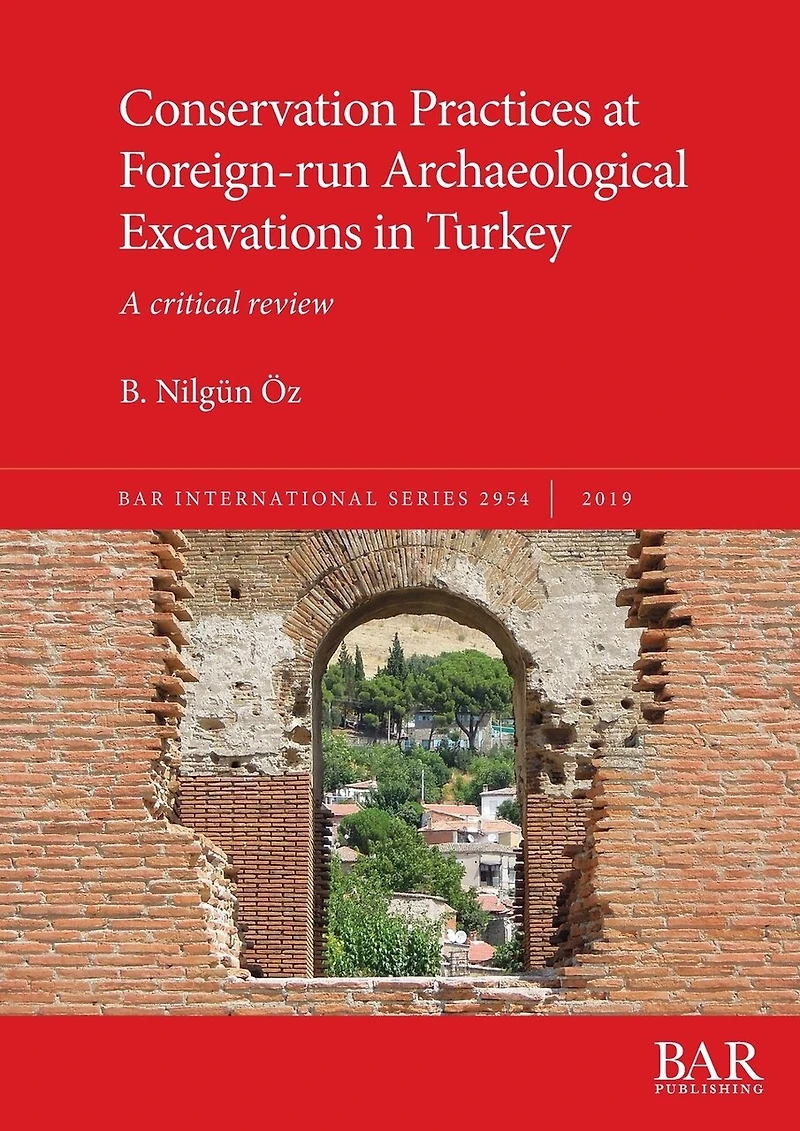
Conservation Practices at Foreign-run Archaeological Excavations in Turkey: A critical review in Brampton, ON
Current price: $118.99
Coles
Conservation Practices at Foreign-run Archaeological Excavations in Turkey: A critical review in Brampton, ON
Current price: $118.99
Loading Inventory...
Size: Paperback
*Product information and pricing may vary - to confirm current pricing, availability, shipping, and return information please contact Coles. In the event of a pricing discrepancy, the retailer's price will apply.
Foreign-run excavations are a significant component of archaeological research in Turkey, however, conservation work carried out at these excavations has never been examined holistically. B. Nilgün Öz investigates archaeological conservation at foreign-run excavations at 19 sites across Turkey to identify the scale and nature of differing contributions, determining changing approaches and issues impacting conservation practices, as well as possible catalysts, influences and driving forces. Through a systematic appraisal of the variety of conservation work between 1979 and 2014, this research contributes to a wider understanding of the dynamics of archaeological heritage management and archaeological conservation as it is practiced in Turkey at foreign-run projects. This thought-provoking and timely book will be a valuable resource to students and scholars of archaeology, architecture, conservation, heritage and history.
Foreign-run excavations are a significant component of archaeological research in Turkey, however, conservation work carried out at these excavations has never been examined holistically. B. Nilgün Öz investigates archaeological conservation at foreign-run excavations at 19 sites across Turkey to identify the scale and nature of differing contributions, determining changing approaches and issues impacting conservation practices, as well as possible catalysts, influences and driving forces. Through a systematic appraisal of the variety of conservation work between 1979 and 2014, this research contributes to a wider understanding of the dynamics of archaeological heritage management and archaeological conservation as it is practiced in Turkey at foreign-run projects. This thought-provoking and timely book will be a valuable resource to students and scholars of archaeology, architecture, conservation, heritage and history.
You May Also Like








Find at Bramalea City Centre in Brampton, ON
Visit at Bramalea City Centre in Brampton, ON