



Gifting Made Simple
Give the Gift of ChoiceClick below to purchase a Bramalea City Centre eGift Card that can be used at participating retailers at Bramalea City Centre.Purchase HereHome
Conservation, Land Conflicts and Sustainable Tourism Southern Africa: Contemporary Issues Approaches
Coles
Loading Inventory...
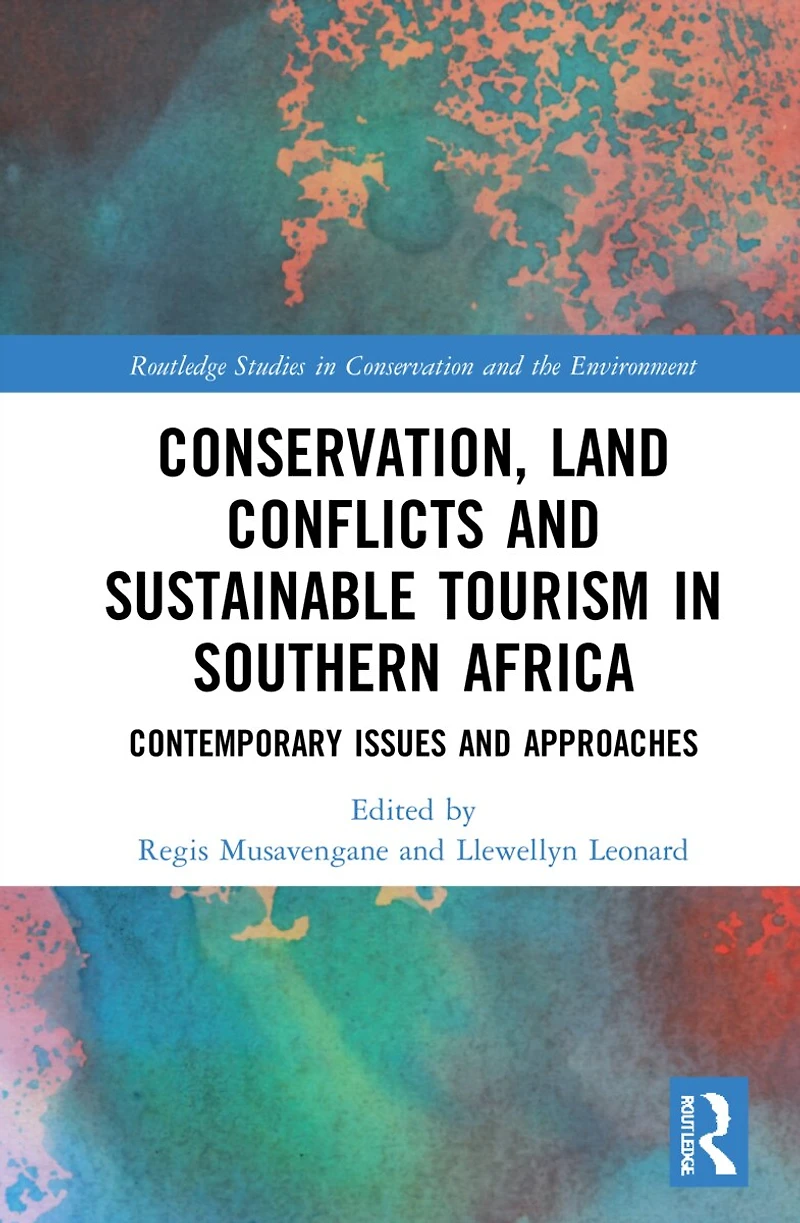
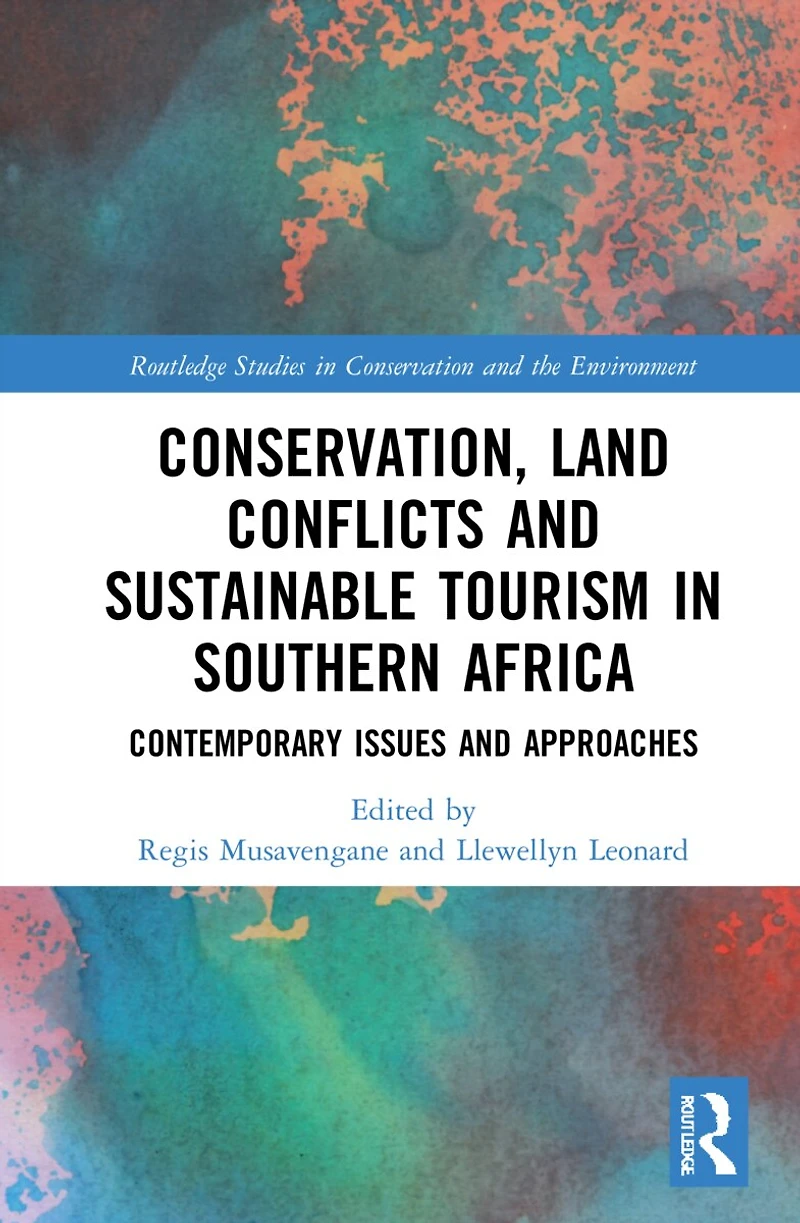
Conservation, Land Conflicts and Sustainable Tourism Southern Africa: Contemporary Issues Approaches in Brampton, ON
Current price: $296.50
Coles
Conservation, Land Conflicts and Sustainable Tourism Southern Africa: Contemporary Issues Approaches in Brampton, ON
Current price: $296.50
Loading Inventory...
Size: Hardcover
*Product information and pricing may vary - to confirm current pricing, availability, shipping, and return information please contact Coles. In the event of a pricing discrepancy, the retailer's price will apply.
This book examines the nexus between conservation, land conflicts, and sustainable tourism approaches in Southern Africa, with a focus on equity, access, restitution, and redistribution. While Southern Africa is home to important biodiversity, pristine woodlands, and grasslands, and is a habitat for important wildlife species, it is also a land of contestations over its natural resources with a complex historical legacy and a wide variety of competing and conflicting issues surrounding race, cultural and traditional practices, and neoliberalism. Drawing on insights from conservation, environmental, and tourism experts, this volume presents the nexus between land conflicts and conservation in the region. The chapters reveal the hegemony of humans on land and associated resources including wildlife and minerals. By using social science approaches, the book unites environmental, scientific, social, and political issues, as it is imperative we understand the holistic nature of land conflicts in nature-based tourism. Discussing the management theories and approaches to community-based tourism in communities where there are or were land conflicts is critical to understanding the current state and future of tourism in African rural spaces. This volume determines the extent to which land reform impacts community-based tourism in Africa to develop resilient destination strategies and shares solutions to existing land conflicts to promote conservation and nature-based tourism. The book will be of great interest to students, academics, development experts, and policymakers in the field of conservation, tourism geography, sociology, development studies, land use, and environmental management and African studies.
This book examines the nexus between conservation, land conflicts, and sustainable tourism approaches in Southern Africa, with a focus on equity, access, restitution, and redistribution. While Southern Africa is home to important biodiversity, pristine woodlands, and grasslands, and is a habitat for important wildlife species, it is also a land of contestations over its natural resources with a complex historical legacy and a wide variety of competing and conflicting issues surrounding race, cultural and traditional practices, and neoliberalism. Drawing on insights from conservation, environmental, and tourism experts, this volume presents the nexus between land conflicts and conservation in the region. The chapters reveal the hegemony of humans on land and associated resources including wildlife and minerals. By using social science approaches, the book unites environmental, scientific, social, and political issues, as it is imperative we understand the holistic nature of land conflicts in nature-based tourism. Discussing the management theories and approaches to community-based tourism in communities where there are or were land conflicts is critical to understanding the current state and future of tourism in African rural spaces. This volume determines the extent to which land reform impacts community-based tourism in Africa to develop resilient destination strategies and shares solutions to existing land conflicts to promote conservation and nature-based tourism. The book will be of great interest to students, academics, development experts, and policymakers in the field of conservation, tourism geography, sociology, development studies, land use, and environmental management and African studies.
You May Also Like








Find at Bramalea City Centre in Brampton, ON
Visit at Bramalea City Centre in Brampton, ON