



Gifting Made Simple
Give the Gift of ChoiceClick below to purchase a Bramalea City Centre eGift Card that can be used at participating retailers at Bramalea City Centre.Purchase HereHome
Consenting to International Law
Coles
Loading Inventory...
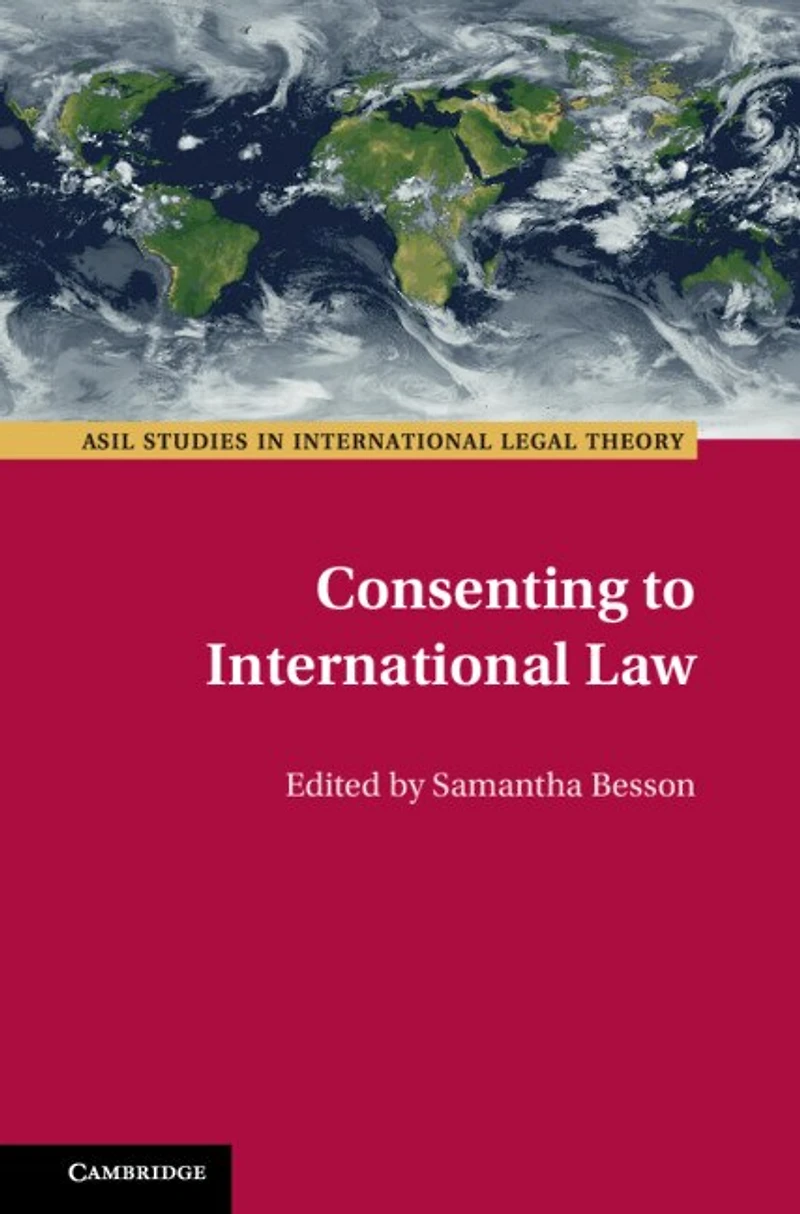
Consenting to International Law in Brampton, ON
Current price: $162.95
Coles
Consenting to International Law in Brampton, ON
Current price: $162.95
Loading Inventory...
Size: Hardcover
*Product information and pricing may vary - to confirm current pricing, availability, shipping, and return information please contact Coles. In the event of a pricing discrepancy, the retailer's price will apply.
The obligations stemming from international law are still predominantly considered, despite important normative and descriptive critiques, as being 'based' on (State) consent. To that extent, international law differs from domestic law where consent to the law has long been considered irrelevant to law-making, whether as a criterion of validity or as a ground of legitimacy. In addition to a renewed historical and philosophical interest in (State) consent to international law, including from a democratic theory perspective, the issue has also recently regained in importance in practice. Various specialists of international law and the philosophy of international law have been invited to explore the different questions this raises in what is the first edited volume on consent to international law in English language. The collection addresses three groups of issues: the notions and roles of consent in contemporary international law; its objects and types; and its subjects and institutions.
The obligations stemming from international law are still predominantly considered, despite important normative and descriptive critiques, as being 'based' on (State) consent. To that extent, international law differs from domestic law where consent to the law has long been considered irrelevant to law-making, whether as a criterion of validity or as a ground of legitimacy. In addition to a renewed historical and philosophical interest in (State) consent to international law, including from a democratic theory perspective, the issue has also recently regained in importance in practice. Various specialists of international law and the philosophy of international law have been invited to explore the different questions this raises in what is the first edited volume on consent to international law in English language. The collection addresses three groups of issues: the notions and roles of consent in contemporary international law; its objects and types; and its subjects and institutions.
You May Also Like
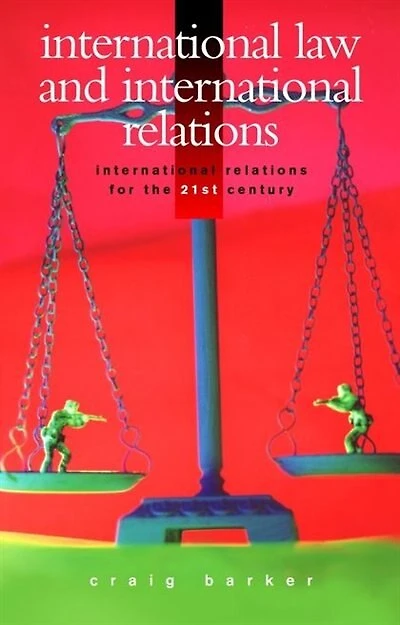
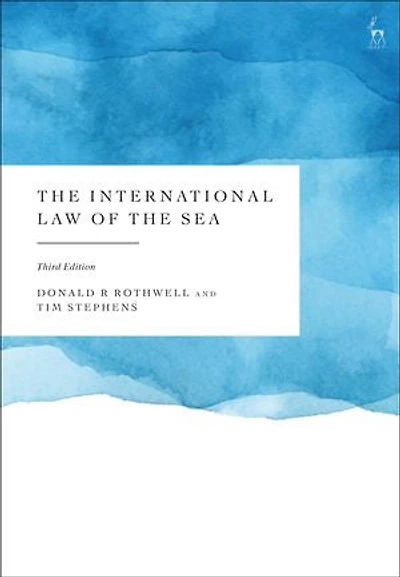
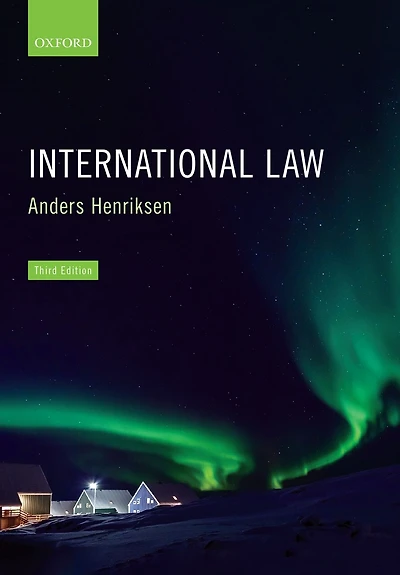










Find at Bramalea City Centre in Brampton, ON
Visit at Bramalea City Centre in Brampton, ON