



Gifting Made Simple
Give the Gift of ChoiceClick below to purchase a Bramalea City Centre eGift Card that can be used at participating retailers at Bramalea City Centre.Purchase HereHome
Conflict and Consensus Early Greek Hexameter Poetry
Coles
Loading Inventory...
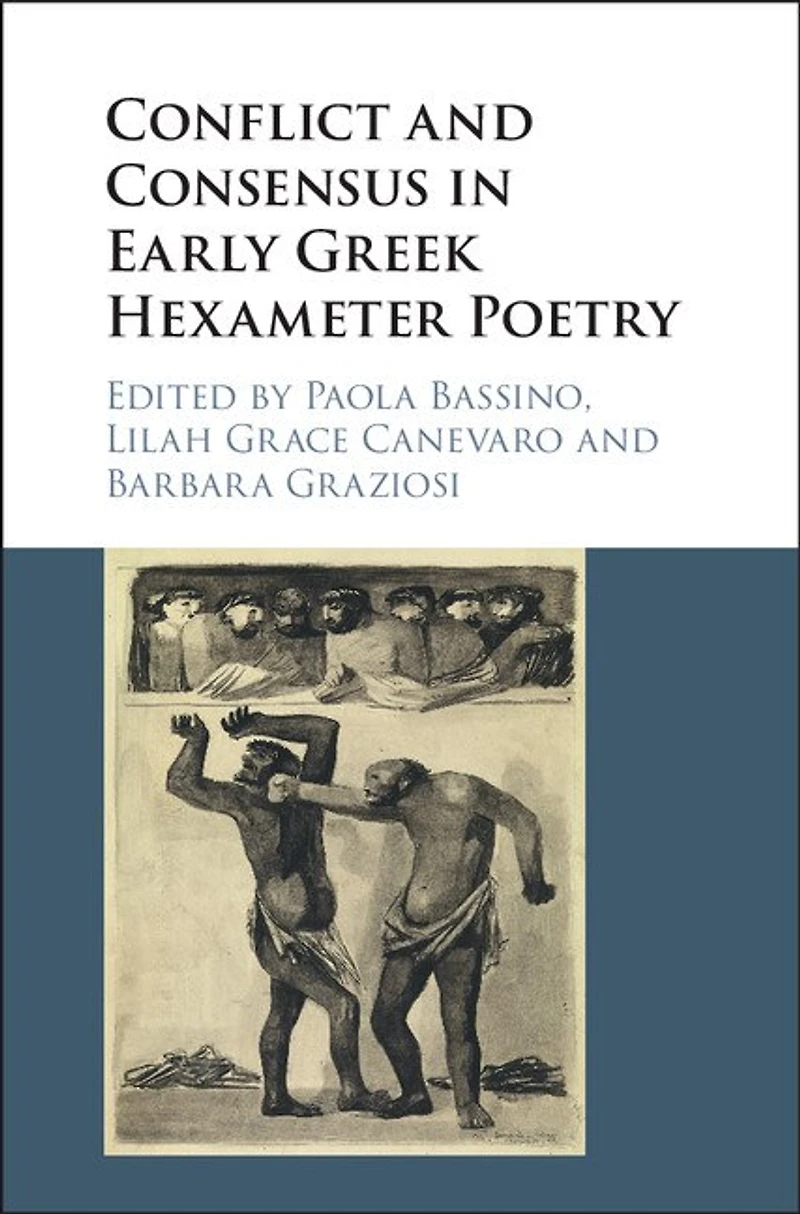
Conflict and Consensus Early Greek Hexameter Poetry in Brampton, ON
Current price: $137.95
Coles
Conflict and Consensus Early Greek Hexameter Poetry in Brampton, ON
Current price: $137.95
Loading Inventory...
Size: Hardcover
*Product information and pricing may vary - to confirm current pricing, availability, shipping, and return information please contact Coles. In the event of a pricing discrepancy, the retailer's price will apply.
Achilles inflicts countless agonies on the Achaeans, although he is supposed to be fighting on their side. Odysseus' return causes civil strife on Ithaca. The Iliad and the Odyssey depict conflict where consensus should reign, as do the other major poems of the early Greek hexameter tradition: Hesiod's Theogony and the Homeric Hymns describe divine clashes that unbalance the cosmos; Hesiod's Works and Days stems from a quarrel between brothers. These early Greek poems generated consensus among audiences: the reason why they reached us is that people agreed on their value. This volume, accordingly, explores conflict and consensus from a dual perspective: as thematic concerns in the poems, and as forces shaping their early reception. It sheds new light on poetics and metapoetics, internal and external audiences, competition inside the narrative and competing narratives, local and Panhellenic traditions, narrative closure and the making of canonical literature.
Achilles inflicts countless agonies on the Achaeans, although he is supposed to be fighting on their side. Odysseus' return causes civil strife on Ithaca. The Iliad and the Odyssey depict conflict where consensus should reign, as do the other major poems of the early Greek hexameter tradition: Hesiod's Theogony and the Homeric Hymns describe divine clashes that unbalance the cosmos; Hesiod's Works and Days stems from a quarrel between brothers. These early Greek poems generated consensus among audiences: the reason why they reached us is that people agreed on their value. This volume, accordingly, explores conflict and consensus from a dual perspective: as thematic concerns in the poems, and as forces shaping their early reception. It sheds new light on poetics and metapoetics, internal and external audiences, competition inside the narrative and competing narratives, local and Panhellenic traditions, narrative closure and the making of canonical literature.
You May Also Like








Find at Bramalea City Centre in Brampton, ON
Visit at Bramalea City Centre in Brampton, ON