



Gifting Made Simple
Give the Gift of ChoiceClick below to purchase a Bramalea City Centre eGift Card that can be used at participating retailers at Bramalea City Centre.Purchase HereHome
Conciliarism and Heresy Fifteenth-Century England: Collective Authority the Age of General Councils
Coles
Loading Inventory...
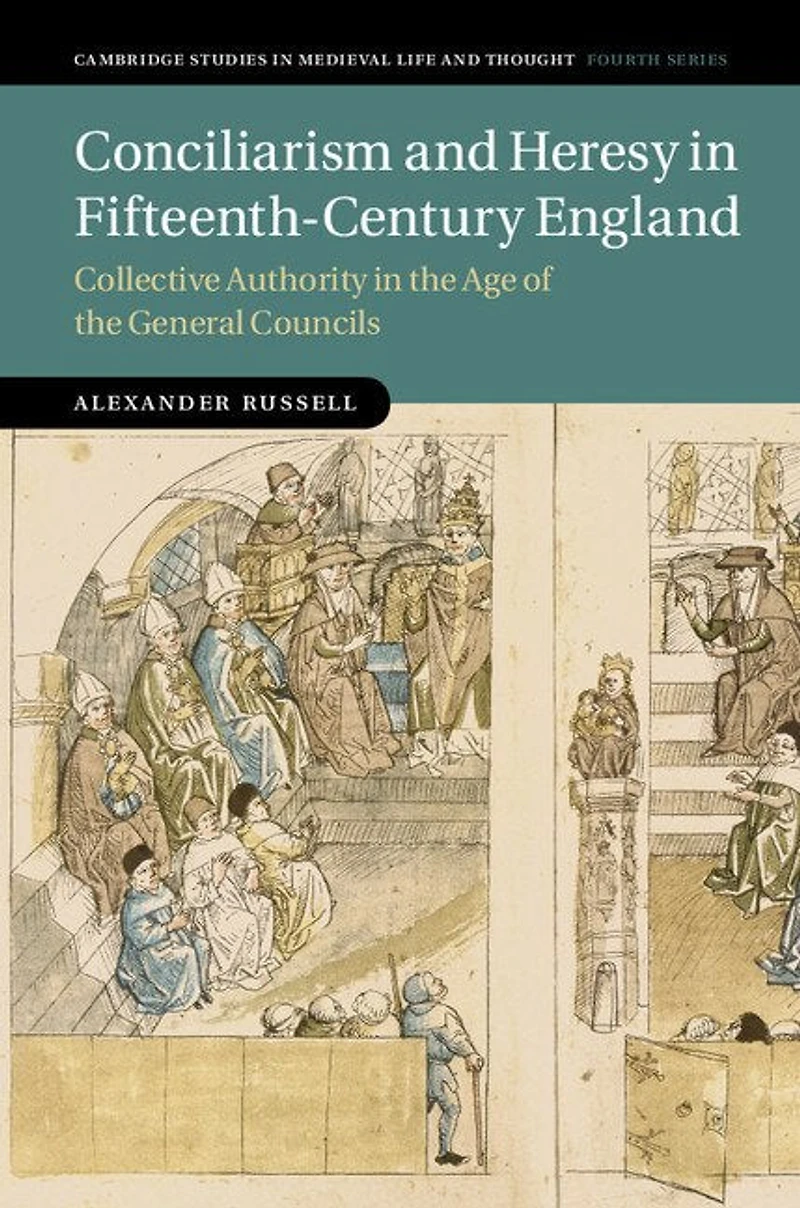
Conciliarism and Heresy Fifteenth-Century England: Collective Authority the Age of General Councils in Brampton, ON
Current price: $152.95
Coles
Conciliarism and Heresy Fifteenth-Century England: Collective Authority the Age of General Councils in Brampton, ON
Current price: $152.95
Loading Inventory...
Size: Hardcover
*Product information and pricing may vary - to confirm current pricing, availability, shipping, and return information please contact Coles. In the event of a pricing discrepancy, the retailer's price will apply.
The general councils of the fifteenth century constituted a remarkable political experiment, which used collective decision-making to tackle important problems facing the church. Such problems had hitherto received rigid top-down management from Rome. However, at Constance and Basle, they were debated by delegates of different ranks from across Europe and resolved through majority voting. Fusing the history of political thought with the study of institutional practices, this innovative study relates the procedural innovations of the general councils and their anti-heretical activities to wider trends in corporate politics, intellectual culture and pastoral reform. Alexander Russell argues that the acceptance of collective decision-making at the councils was predicated upon the prevalence of group participation and deliberation in small-scale corporate culture. Conciliarism and Heresy in Fifteenth-Century England offers a fundamental reassessment of England's relationship with the general councils, revealing how political thought, heresy, and collective politics were connected.
The general councils of the fifteenth century constituted a remarkable political experiment, which used collective decision-making to tackle important problems facing the church. Such problems had hitherto received rigid top-down management from Rome. However, at Constance and Basle, they were debated by delegates of different ranks from across Europe and resolved through majority voting. Fusing the history of political thought with the study of institutional practices, this innovative study relates the procedural innovations of the general councils and their anti-heretical activities to wider trends in corporate politics, intellectual culture and pastoral reform. Alexander Russell argues that the acceptance of collective decision-making at the councils was predicated upon the prevalence of group participation and deliberation in small-scale corporate culture. Conciliarism and Heresy in Fifteenth-Century England offers a fundamental reassessment of England's relationship with the general councils, revealing how political thought, heresy, and collective politics were connected.
You May Also Like










Find at Bramalea City Centre in Brampton, ON
Visit at Bramalea City Centre in Brampton, ON