



Gifting Made Simple
Give the Gift of ChoiceClick below to purchase a Bramalea City Centre eGift Card that can be used at participating retailers at Bramalea City Centre.Purchase HereHome
Competition and Coercion: Blacks in the American economy 1865-1914
Coles
Loading Inventory...
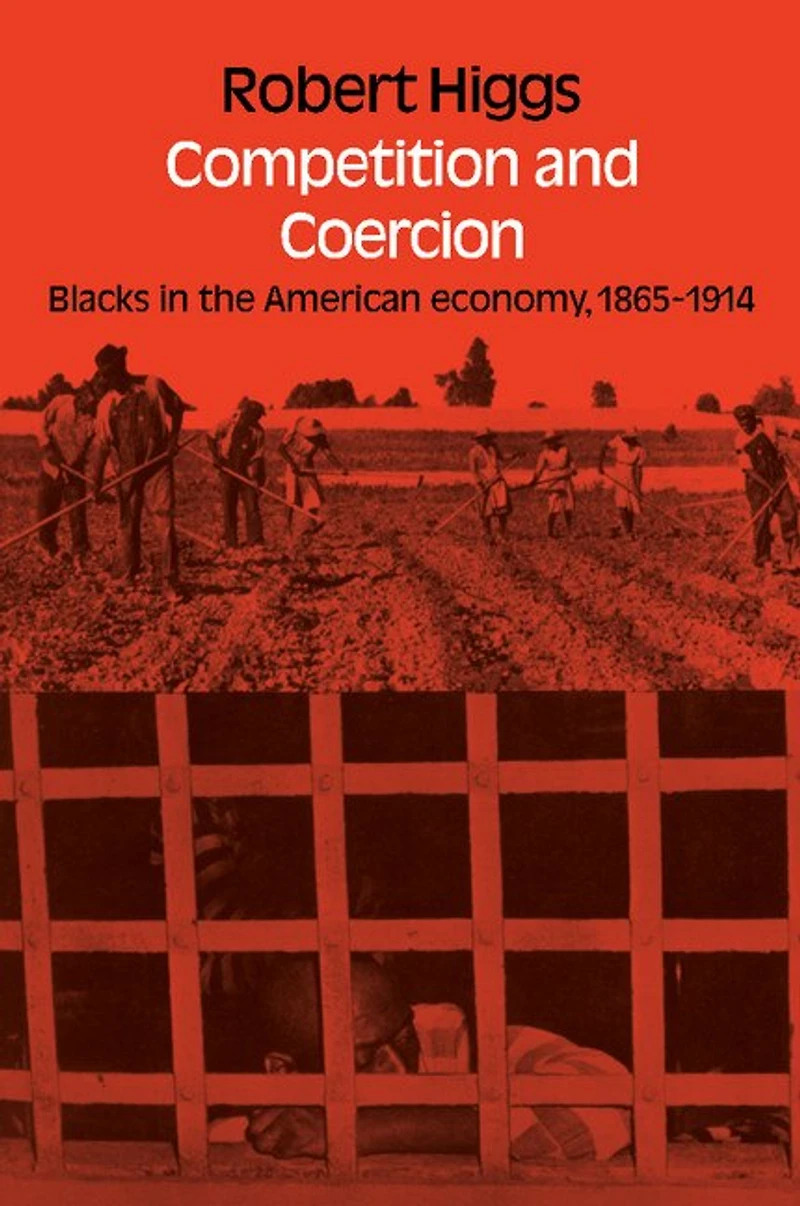
Competition and Coercion: Blacks in the American economy 1865-1914 in Brampton, ON
Current price: $52.79
Coles
Competition and Coercion: Blacks in the American economy 1865-1914 in Brampton, ON
Current price: $52.79
Loading Inventory...
Size: Paperback
*Product information and pricing may vary - to confirm current pricing, availability, shipping, and return information please contact Coles. In the event of a pricing discrepancy, the retailer's price will apply.
Competition and Coercion: Blacks in the American economy, 1865–1914 is a reinterpretation of black economic history in the half-century after Emancipation. Its central theme is that economic competition and racial coercion jointly determined the material condition of the blacks. The book identifies a number of competitive processes that played important roles in protecting blacks from the racial coercion to which they were peculiarly vulnerable. It also documents the substantial economic gains realized by the black population between 1865 and 1914. Professor Higgs's account is iconoclastic. It seeks to reorganize the present conceptualization of the period and to redirect future study of black economic history in the post-Emancipation period. It raises new questions and suggests new answers to old questions, asserting that some of the old questions are misleadingly framed or not worth pursuing at all.
Competition and Coercion: Blacks in the American economy, 1865–1914 is a reinterpretation of black economic history in the half-century after Emancipation. Its central theme is that economic competition and racial coercion jointly determined the material condition of the blacks. The book identifies a number of competitive processes that played important roles in protecting blacks from the racial coercion to which they were peculiarly vulnerable. It also documents the substantial economic gains realized by the black population between 1865 and 1914. Professor Higgs's account is iconoclastic. It seeks to reorganize the present conceptualization of the period and to redirect future study of black economic history in the post-Emancipation period. It raises new questions and suggests new answers to old questions, asserting that some of the old questions are misleadingly framed or not worth pursuing at all.
You May Also Like









Find at Bramalea City Centre in Brampton, ON
Visit at Bramalea City Centre in Brampton, ON