



Gifting Made Simple
Give the Gift of ChoiceClick below to purchase a Bramalea City Centre eGift Card that can be used at participating retailers at Bramalea City Centre.Purchase HereHome
Commerce, Citizenship, and Identity in Legal History
Coles
Loading Inventory...
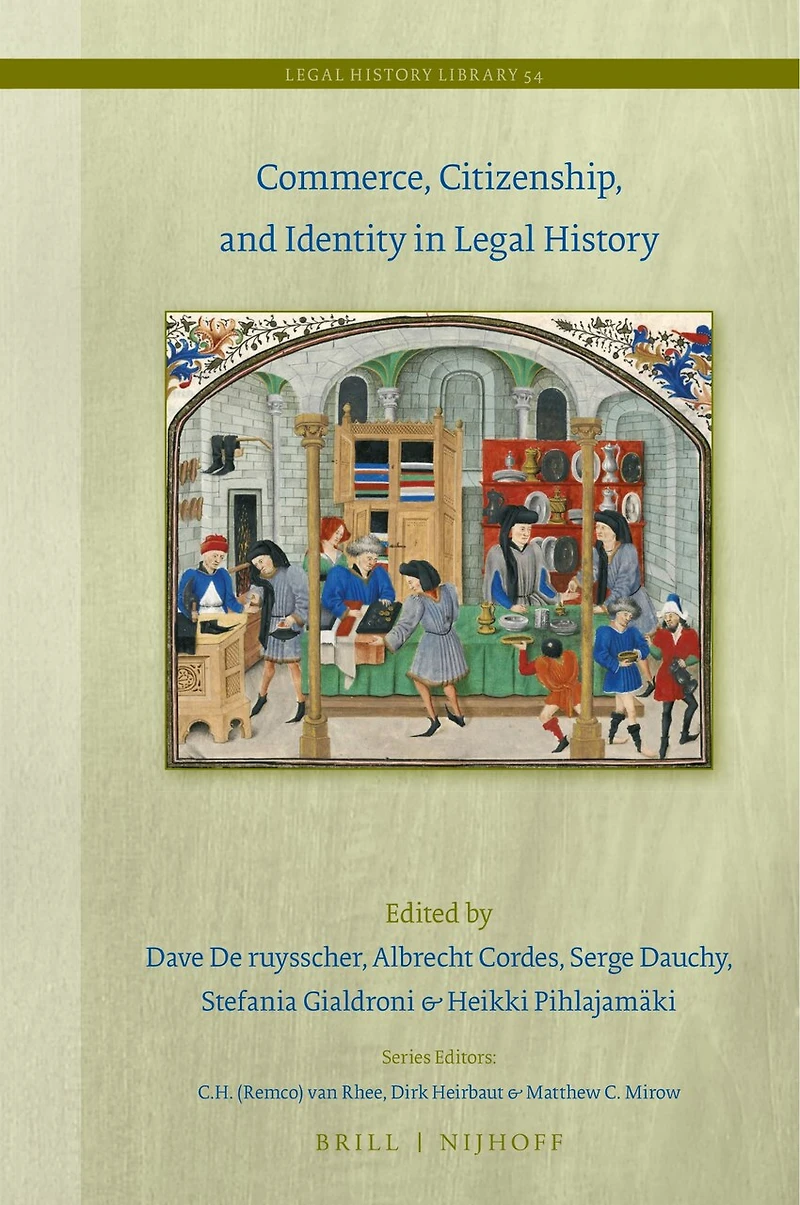
Commerce, Citizenship, and Identity in Legal History in Brampton, ON
Current price: $171.99
Coles
Commerce, Citizenship, and Identity in Legal History in Brampton, ON
Current price: $171.99
Loading Inventory...
Size: Hardcover
*Product information and pricing may vary - to confirm current pricing, availability, shipping, and return information please contact Coles. In the event of a pricing discrepancy, the retailer's price will apply.
Legal historians have analysed the characteristics of merchant guilds and nationes (i.e., associations of foreign merchants), as well as the political clout of merchants, including foreign ones. However, how the legal status of citizens related to the merchant class and how its contents were influenced by trade remains largely unclear. Did governments have a policy of citizenship that was tailored to commercial interests? Were foreign merchants belonging to a separate legal category of resident? If so, what defined this category? To what extent could different types of legal status and membership of communities or guilds overlap? And how did all this affect merchants’ identities, their self-images of belonging? This collection of essays provides anwers to these questions.
Contributors are: Sonja Breustedt, Pieter De Reu, Gijs Dreijer, Maurits den Hollander, Marco In’t Veld, Marta Lupi, Manon Moerman, Remko Mooi, Patrick Naaktgeboren, and Joost Possemiers.
Legal historians have analysed the characteristics of merchant guilds and nationes (i.e., associations of foreign merchants), as well as the political clout of merchants, including foreign ones. However, how the legal status of citizens related to the merchant class and how its contents were influenced by trade remains largely unclear. Did governments have a policy of citizenship that was tailored to commercial interests? Were foreign merchants belonging to a separate legal category of resident? If so, what defined this category? To what extent could different types of legal status and membership of communities or guilds overlap? And how did all this affect merchants’ identities, their self-images of belonging? This collection of essays provides anwers to these questions.
Contributors are: Sonja Breustedt, Pieter De Reu, Gijs Dreijer, Maurits den Hollander, Marco In’t Veld, Marta Lupi, Manon Moerman, Remko Mooi, Patrick Naaktgeboren, and Joost Possemiers.
You May Also Like











Find at Bramalea City Centre in Brampton, ON
Visit at Bramalea City Centre in Brampton, ON