



Gifting Made Simple
Give the Gift of ChoiceClick below to purchase a Bramalea City Centre eGift Card that can be used at participating retailers at Bramalea City Centre.Purchase HereHome
Collecting, Processing and Presenting Geoscientific Information with Python
Coles
Loading Inventory...
Collecting, Processing and Presenting Geoscientific Information with Python in Brampton, ON
Current price: $175.50
Coles
Collecting, Processing and Presenting Geoscientific Information with Python in Brampton, ON
Current price: $175.50
Loading Inventory...
Size: Hardcover
*Product information and pricing may vary - to confirm current pricing, availability, shipping, and return information please contact Coles. In the event of a pricing discrepancy, the retailer's price will apply.
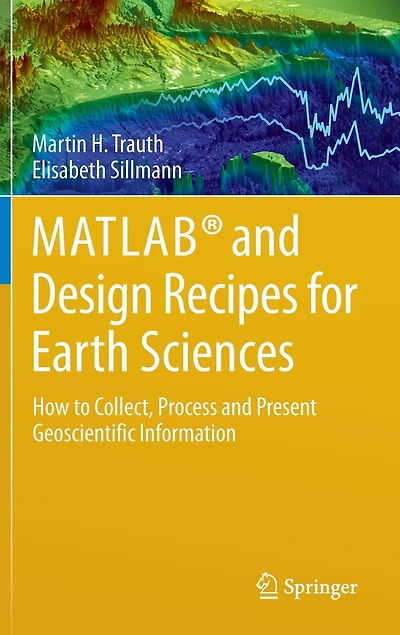
This book includes numerous examples demonstrating the use of internet resources, data visualization with Python, and preparing scientific presentations. The primary objective of this book is to introduce students to the typical course structure followed by a data analysis project in earth sciences. A project typically involves conducting a literature review, evaluating and ranking published books and journal articles, extracting pertinent information from the literature in the form of text, data, or graphs, searching and processing the relevant original data using Python, and compiling and presenting the results through posters, abstracts, oral presentations, and multimedia publications using graphics design software. The third, significantly revised edition of the book now incorporates numerous AI-supported applications, such as literature research, code generation for creating graphics, and writing scientific abstracts.
This book includes numerous examples demonstrating the use of internet resources, data visualization with Python, and preparing scientific presentations. The primary objective of this book is to introduce students to the typical course structure followed by a data analysis project in earth sciences. A project typically involves conducting a literature review, evaluating and ranking published books and journal articles, extracting pertinent information from the literature in the form of text, data, or graphs, searching and processing the relevant original data using Python, and compiling and presenting the results through posters, abstracts, oral presentations, and multimedia publications using graphics design software. The third, significantly revised edition of the book now incorporates numerous AI-supported applications, such as literature research, code generation for creating graphics, and writing scientific abstracts.
You May Also Like









Find at Bramalea City Centre in Brampton, ON
Visit at Bramalea City Centre in Brampton, ON