



Gifting Made Simple
Give the Gift of ChoiceClick below to purchase a Bramalea City Centre eGift Card that can be used at participating retailers at Bramalea City Centre.Purchase HereHome
Cold Comfort: Growing Up War
Coles
Loading Inventory...
Cold Comfort: Growing Up War in Brampton, ON
Current price: $15.19
Original price: $18.99
Coles
Cold Comfort: Growing Up War in Brampton, ON
Current price: $15.19
Original price: $18.99
Loading Inventory...
Size: Kobo eBook
*Product information and pricing may vary - to confirm current pricing, availability, shipping, and return information please contact Coles. In the event of a pricing discrepancy, the retailer's price will apply.
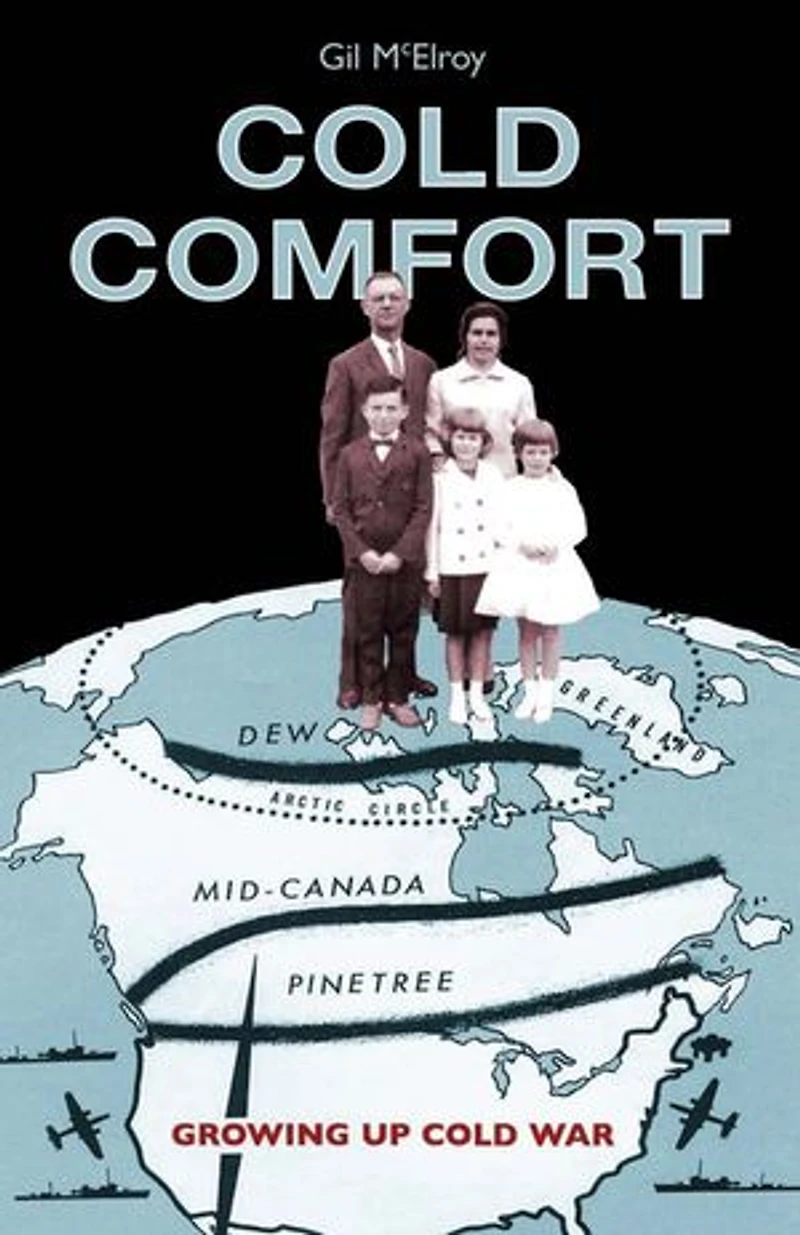
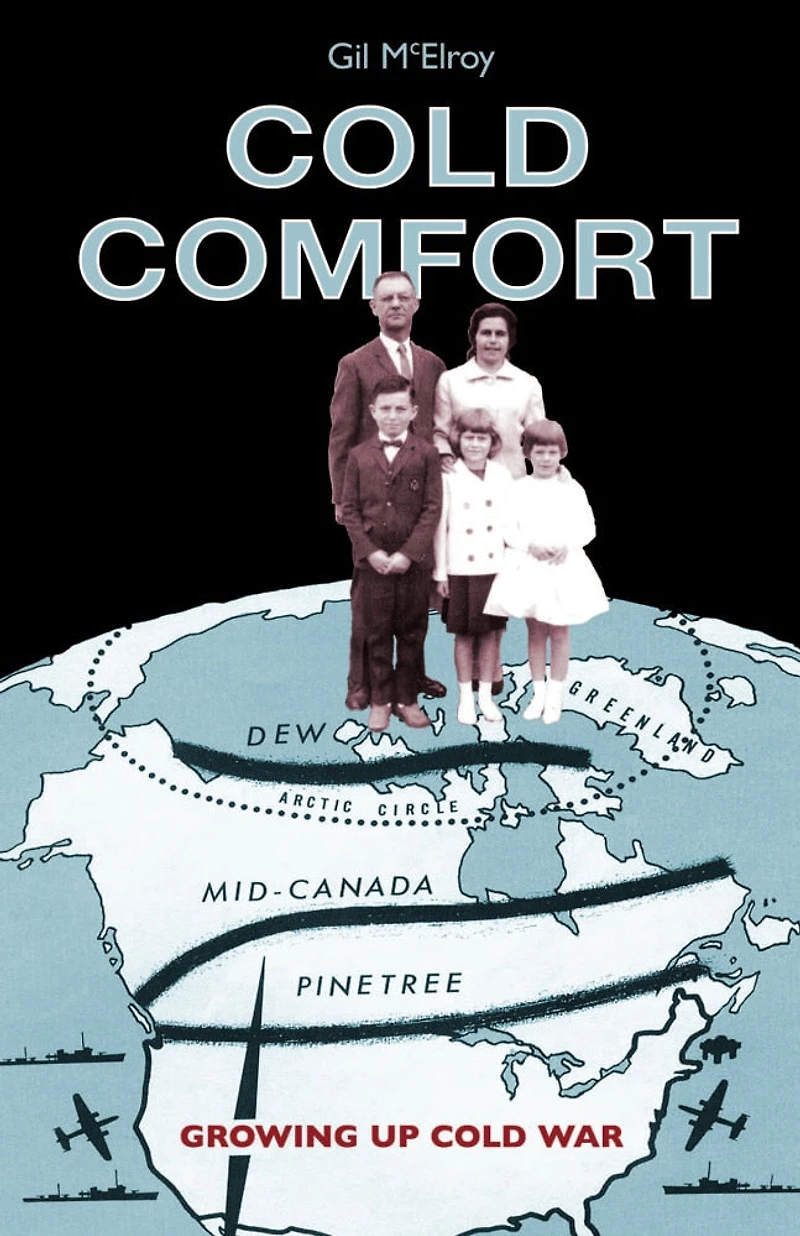
When his father died, award-winning poet and curator Gil McElroy was given a box of photographs that documented his father’s military career. Beginning in the Second World War and continuing right through to the end of the Cold War, the senior McElroy staffed Canada’s network of electronic defence, including the Distant Early Warning Line – a network of radar stations stretching along the Arctic coast from Alaska to Baffin Island. Established in the early 1950s, the DEW Line provided advance warning of an aircraft or missile attack. There, servicemen lived in isolated radar stations, watching surveillance screens for the telltale blips that threatened nuclear annihilation. McElroy reflects on the sacrifices these men made, living away from their families for great lengths of time – for the “greater good” of protecting North American airspace and
Western values. At the same time, Cold Comfort follows McElroy’s experience of growing up as an itinerant military brat, who moved from one posting to another, and the military family’s attempts to hold together in the face of the father’s absence. Cold Comfort also explores the utter enigma that was the author’s father. Examining the contents of the box of photographs, image by image, McElroy attempts to come to terms with the mysterious photographer, a man better understood by his military compatriots than by his own family.
When his father died, award-winning poet and curator Gil McElroy was given a box of photographs that documented his father’s military career. Beginning in the Second World War and continuing right through to the end of the Cold War, the senior McElroy staffed Canada’s network of electronic defence, including the Distant Early Warning Line – a network of radar stations stretching along the Arctic coast from Alaska to Baffin Island. Established in the early 1950s, the DEW Line provided advance warning of an aircraft or missile attack. There, servicemen lived in isolated radar stations, watching surveillance screens for the telltale blips that threatened nuclear annihilation. McElroy reflects on the sacrifices these men made, living away from their families for great lengths of time – for the “greater good” of protecting North American airspace and
Western values. At the same time, Cold Comfort follows McElroy’s experience of growing up as an itinerant military brat, who moved from one posting to another, and the military family’s attempts to hold together in the face of the father’s absence. Cold Comfort also explores the utter enigma that was the author’s father. Examining the contents of the box of photographs, image by image, McElroy attempts to come to terms with the mysterious photographer, a man better understood by his military compatriots than by his own family.
You May Also Like















Find at Bramalea City Centre in Brampton, ON
Visit at Bramalea City Centre in Brampton, ON