



Gifting Made Simple
Give the Gift of ChoiceClick below to purchase a Bramalea City Centre eGift Card that can be used at participating retailers at Bramalea City Centre.Purchase HereHome
Coercion, Ambiguity, and Rhetoric Ancient Greece: The Dangers of Peithō
Coles
Loading Inventory...
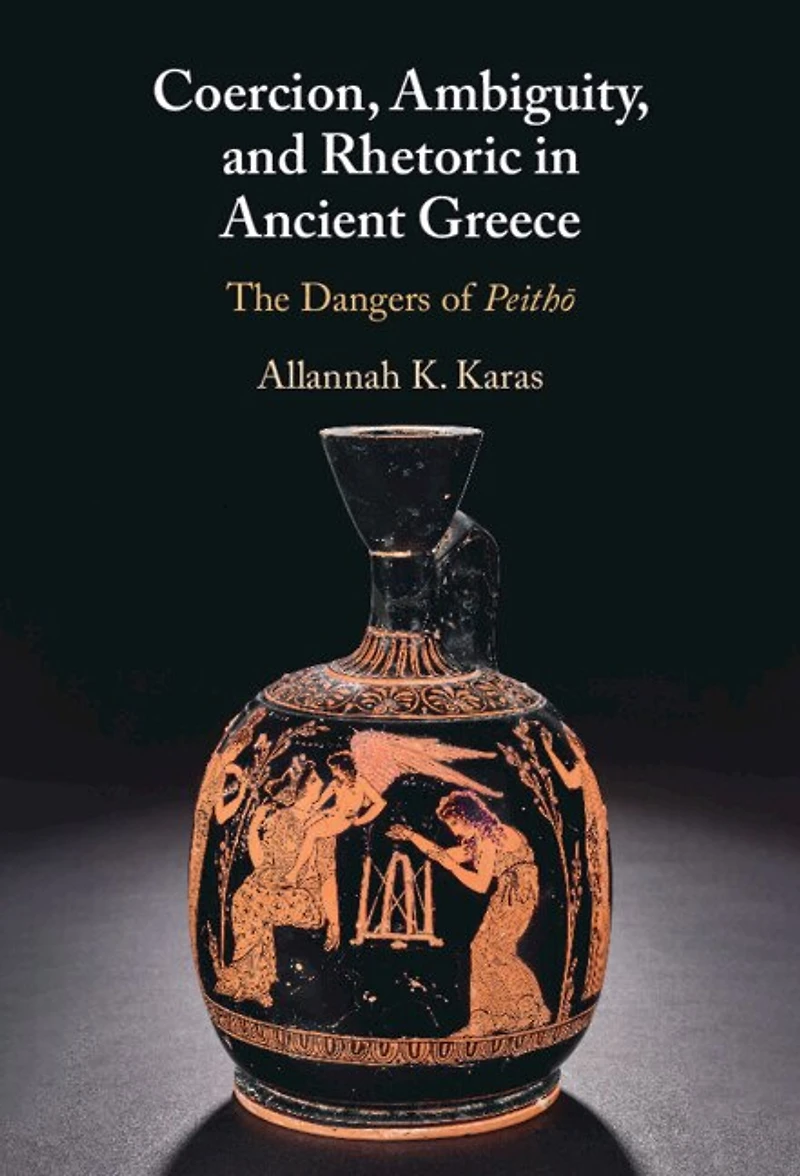
Coercion, Ambiguity, and Rhetoric Ancient Greece: The Dangers of Peithō in Brampton, ON
Current price: $160.16
Coles
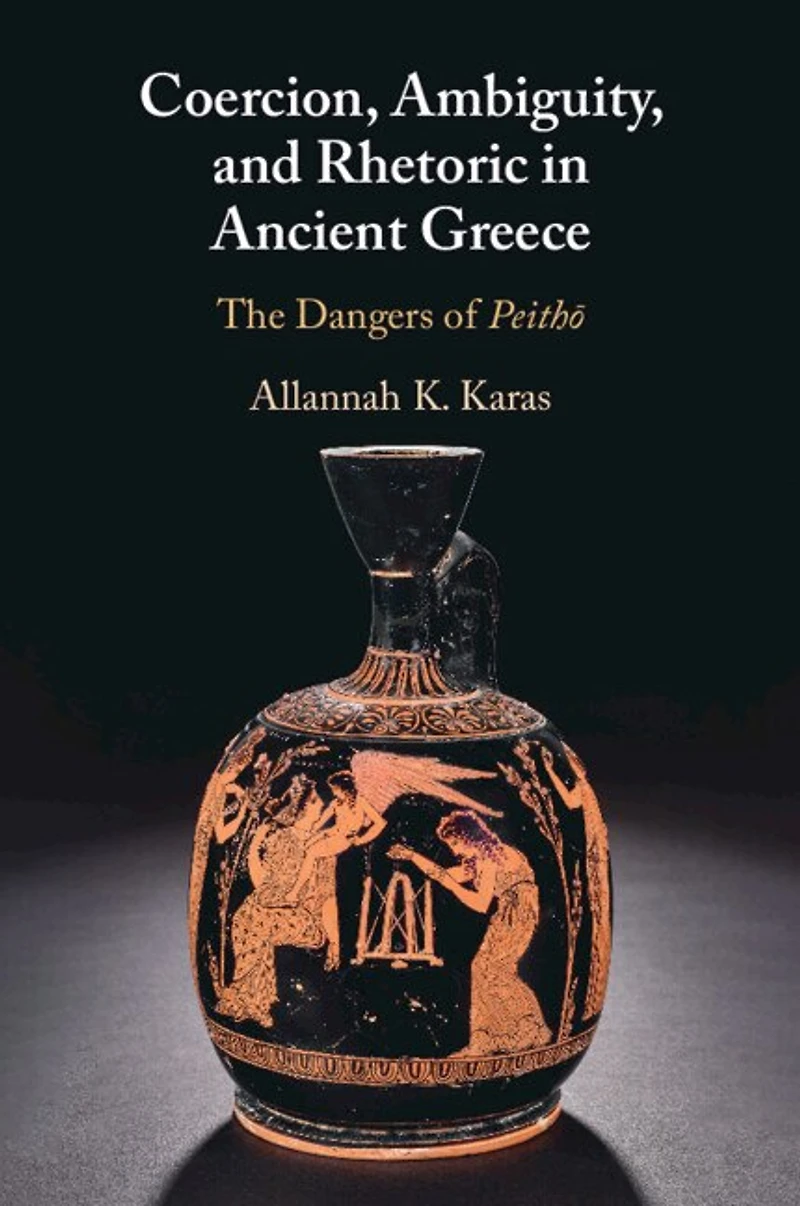
Coercion, Ambiguity, and Rhetoric Ancient Greece: The Dangers of Peithō in Brampton, ON
Current price: $160.16
Loading Inventory...
Size: Hardcover
*Product information and pricing may vary - to confirm current pricing, availability, shipping, and return information please contact Coles. In the event of a pricing discrepancy, the retailer's price will apply.
The ancient Greek goddess and action peithō, which was understood as a form of inducement or psychological pressure at work in rhetoric but also in other spheres of human activity, presented dangers to interpersonal and political persuasion. Evidence from poetry, drama, vase painting, oratory, and magical papyri reveals ways in which communities and individuals understood and learned to tolerate peithō's threats of ambiguity and coercion. Allannah Karas examines peithō in connection with other coercive, semi-divine forces, such as bia (physical force), anankē (constraint, necessity), and thelgein (enchantment), which are perceived as acting on the human psyche and within the human community. She also draws on social psychology, especially the concept of ambiguity tolerance and reactance theory, to illuminate the efficacy of ancient Greek communal practices (e.g. drama, ritual, romanticization and visual humor, and oratorical piety) as mechanisms for managing peithō's necessary yet dangerous presence in society.
The ancient Greek goddess and action peithō, which was understood as a form of inducement or psychological pressure at work in rhetoric but also in other spheres of human activity, presented dangers to interpersonal and political persuasion. Evidence from poetry, drama, vase painting, oratory, and magical papyri reveals ways in which communities and individuals understood and learned to tolerate peithō's threats of ambiguity and coercion. Allannah Karas examines peithō in connection with other coercive, semi-divine forces, such as bia (physical force), anankē (constraint, necessity), and thelgein (enchantment), which are perceived as acting on the human psyche and within the human community. She also draws on social psychology, especially the concept of ambiguity tolerance and reactance theory, to illuminate the efficacy of ancient Greek communal practices (e.g. drama, ritual, romanticization and visual humor, and oratorical piety) as mechanisms for managing peithō's necessary yet dangerous presence in society.
You May Also Like









Find at Bramalea City Centre in Brampton, ON
Visit at Bramalea City Centre in Brampton, ON