



Gifting Made Simple
Give the Gift of ChoiceClick below to purchase a Bramalea City Centre eGift Card that can be used at participating retailers at Bramalea City Centre.Purchase HereHome
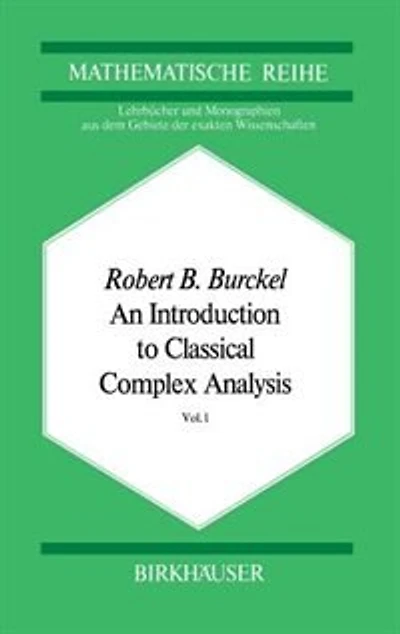
Classical Complex Analysis: A Geometric Approach (Volume 1)
Coles
Loading Inventory...
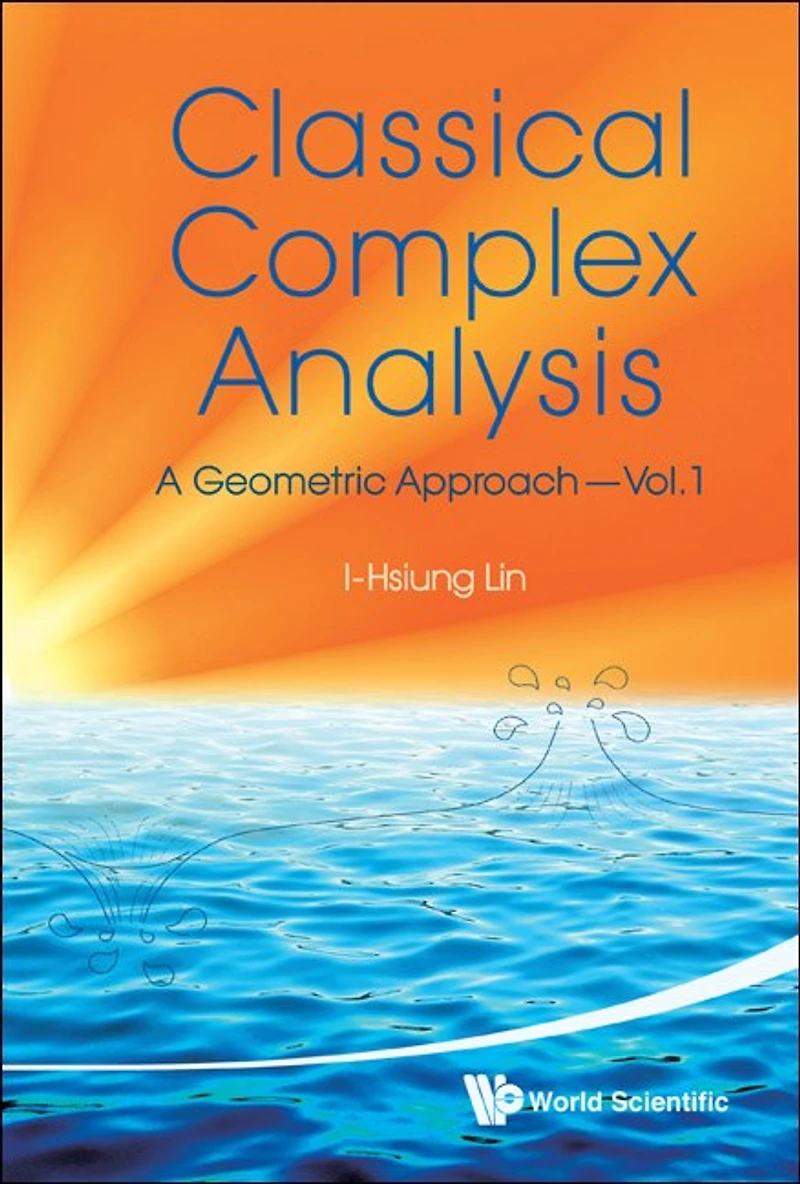
Classical Complex Analysis: A Geometric Approach (Volume 1) in Brampton, ON
Current price: $334.50
Coles
Classical Complex Analysis: A Geometric Approach (Volume 1) in Brampton, ON
Current price: $334.50
Loading Inventory...
Size: Hardcover
*Product information and pricing may vary - to confirm current pricing, availability, shipping, and return information please contact Coles. In the event of a pricing discrepancy, the retailer's price will apply.
Classical Complex Analysis, available in two volumes, provides a clear, broad and solid introduction to one of the remarkable branches of exact science, with an emphasis on the geometric aspects of analytic functions. Volume 1 begins with a geometric description of what a complex number is, followed by a detailed account of algebraic, analytic and geometric properties of standard complex-valued functions. Geometric properties of analytic functions are then developed and described in detail, and various applications of residues are included; analytic continuation is also introduced. The book is rich in contents, figures, examples and exercises. It is self-contained and is designed for a variety of usages and motivations concerning advanced studies. It can be used both as a textbook for undergraduate and graduate students, and as a reference book in general.
Classical Complex Analysis, available in two volumes, provides a clear, broad and solid introduction to one of the remarkable branches of exact science, with an emphasis on the geometric aspects of analytic functions. Volume 1 begins with a geometric description of what a complex number is, followed by a detailed account of algebraic, analytic and geometric properties of standard complex-valued functions. Geometric properties of analytic functions are then developed and described in detail, and various applications of residues are included; analytic continuation is also introduced. The book is rich in contents, figures, examples and exercises. It is self-contained and is designed for a variety of usages and motivations concerning advanced studies. It can be used both as a textbook for undergraduate and graduate students, and as a reference book in general.
You May Also Like








Find at Bramalea City Centre in Brampton, ON
Visit at Bramalea City Centre in Brampton, ON