



Gifting Made Simple
Give the Gift of ChoiceClick below to purchase a Bramalea City Centre eGift Card that can be used at participating retailers at Bramalea City Centre.Purchase HereHome
City, Chant, and the Topography of Early Music
Coles
Loading Inventory...
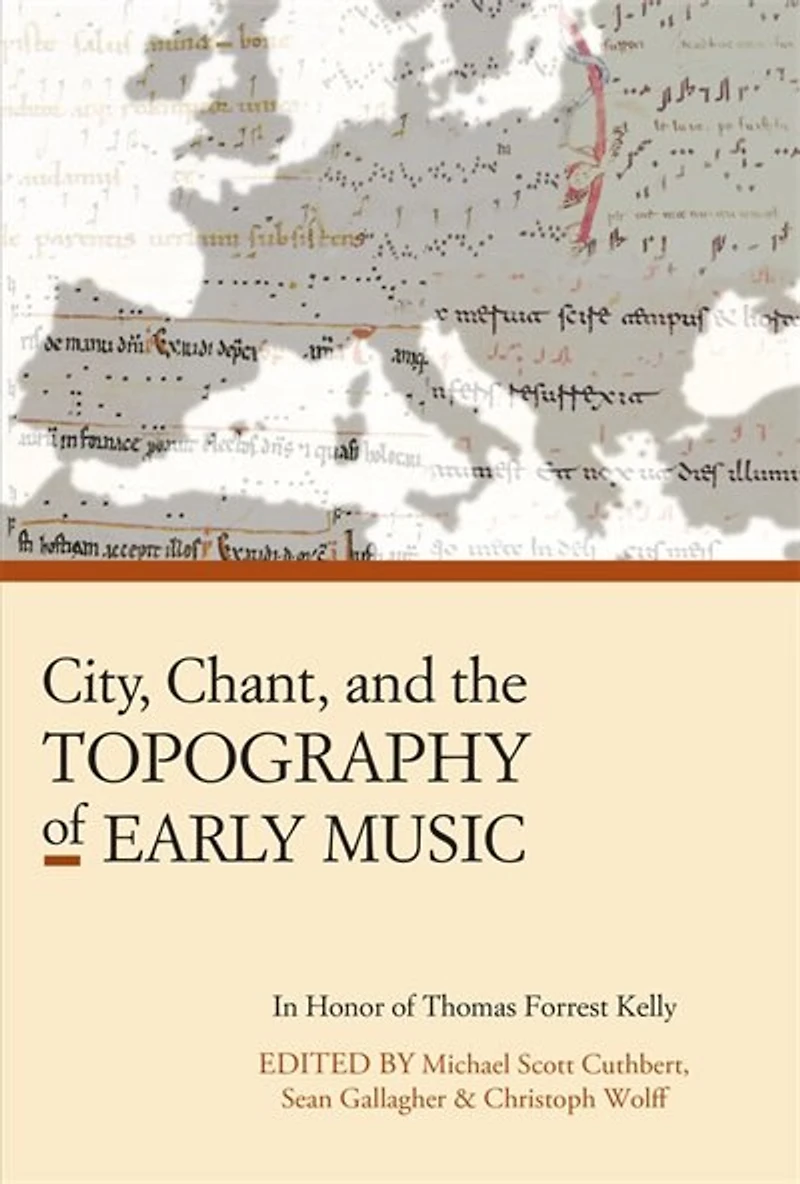
City, Chant, and the Topography of Early Music in Brampton, ON
Current price: $60.00
Coles
City, Chant, and the Topography of Early Music in Brampton, ON
Current price: $60.00
Loading Inventory...
Size: Hardcover
*Product information and pricing may vary - to confirm current pricing, availability, shipping, and return information please contact Coles. In the event of a pricing discrepancy, the retailer's price will apply.
Cultural landscape and geography have affected the history of Western music from its earliest manifestations to the present day. City, Chant, and the Topography of Early Music brings together essays by thirteen leading scholars that explore ways that space, urban life, landscape, and time transformed plainchant and other musical forms. In addressing a broad array of topics and regions—ranging from Beneventan chant in Italy and Dalmatia, to music theory in medieval France, to later transformations of chant in Iceland and Spain—these essays honor and build upon Thomas Forrest Kelly’s work in keeping cultural, geographic, and political factors close to the heart of the musicology of chant, early music, and beyond. Two essays complement Kelly’s scholarly and pedagogical interests by investigating the role of the city in premieres of works composed long after the end of the Middle Ages.
Cultural landscape and geography have affected the history of Western music from its earliest manifestations to the present day. City, Chant, and the Topography of Early Music brings together essays by thirteen leading scholars that explore ways that space, urban life, landscape, and time transformed plainchant and other musical forms. In addressing a broad array of topics and regions—ranging from Beneventan chant in Italy and Dalmatia, to music theory in medieval France, to later transformations of chant in Iceland and Spain—these essays honor and build upon Thomas Forrest Kelly’s work in keeping cultural, geographic, and political factors close to the heart of the musicology of chant, early music, and beyond. Two essays complement Kelly’s scholarly and pedagogical interests by investigating the role of the city in premieres of works composed long after the end of the Middle Ages.
You May Also Like












Find at Bramalea City Centre in Brampton, ON
Visit at Bramalea City Centre in Brampton, ON