



Gifting Made Simple
Give the Gift of ChoiceClick below to purchase a Bramalea City Centre eGift Card that can be used at participating retailers at Bramalea City Centre.Purchase HereHome
Cinderella's Glass Slipper: Towards a Cultural History of Renaissance Materialities
Coles
Loading Inventory...
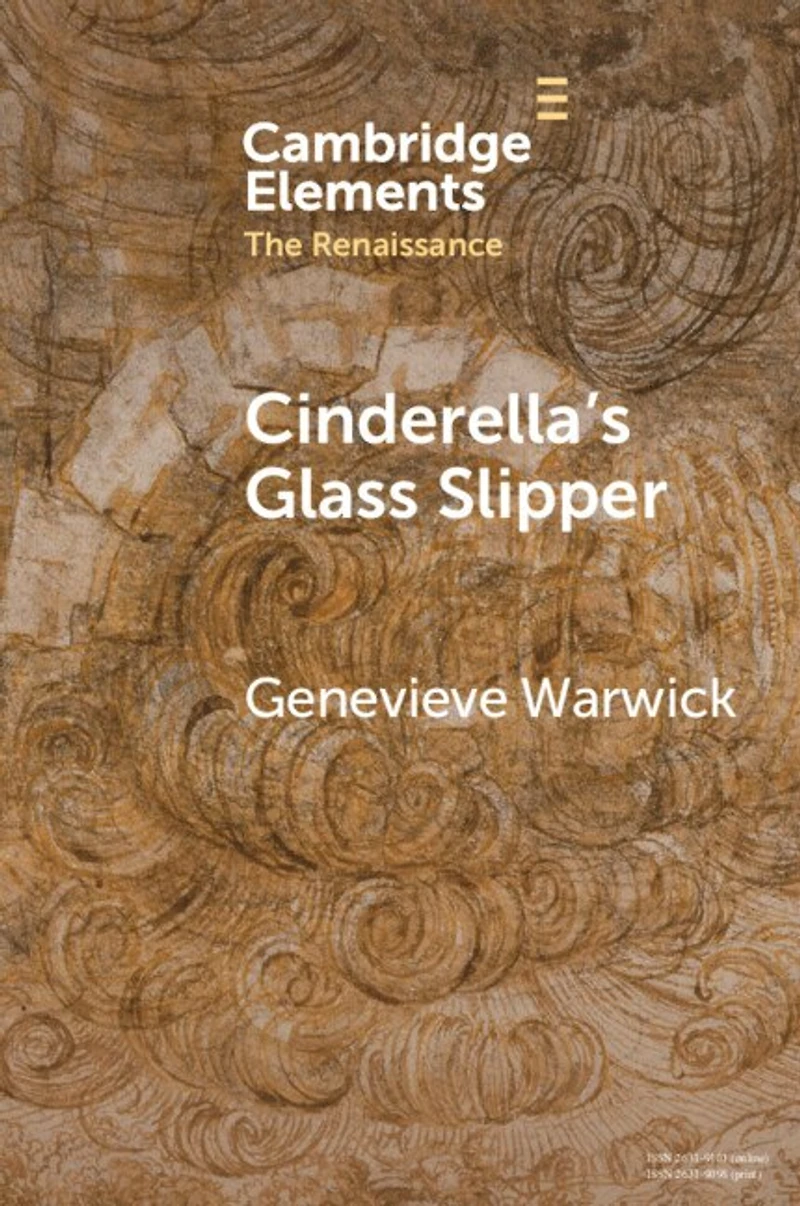
Cinderella's Glass Slipper: Towards a Cultural History of Renaissance Materialities in Brampton, ON
Current price: $29.54
Coles
Cinderella's Glass Slipper: Towards a Cultural History of Renaissance Materialities in Brampton, ON
Current price: $29.54
Loading Inventory...
Size: Paperback
*Product information and pricing may vary - to confirm current pricing, availability, shipping, and return information please contact Coles. In the event of a pricing discrepancy, the retailer's price will apply.
Cinderella's Glass Slipper studies Renaissance material cultures through the literary prism of fairy-tale objects. The literary fairy-tale first arose in Renaissance Venice, originating from oral story-telling traditions that would later become the Arabian Nights, and subsequently in the Parisian salons of Louis XIV. Largely written by, for, and in the name of women, these literary fairy-tales took a lightly comic view of life's vicissitudes, especially female fortune in marriage. Connecting literary representations of bridal goods - dress, jewellery, carriages, toiletries, banqueting and confectionary foods - to the craft histories of their making, this Element offers a newly-contextualised socio-economic account of Renaissance luxe, from architectural interiors to sartorial fashioning and design. By coupling Renaissance luxury wares with their fairy-tale representation, it locates the recherché materialities of bridal goods - gold, silver, diamonds and silk - within expanding colonialist markets of a newly-global early modern economy in the age of discovery.
Cinderella's Glass Slipper studies Renaissance material cultures through the literary prism of fairy-tale objects. The literary fairy-tale first arose in Renaissance Venice, originating from oral story-telling traditions that would later become the Arabian Nights, and subsequently in the Parisian salons of Louis XIV. Largely written by, for, and in the name of women, these literary fairy-tales took a lightly comic view of life's vicissitudes, especially female fortune in marriage. Connecting literary representations of bridal goods - dress, jewellery, carriages, toiletries, banqueting and confectionary foods - to the craft histories of their making, this Element offers a newly-contextualised socio-economic account of Renaissance luxe, from architectural interiors to sartorial fashioning and design. By coupling Renaissance luxury wares with their fairy-tale representation, it locates the recherché materialities of bridal goods - gold, silver, diamonds and silk - within expanding colonialist markets of a newly-global early modern economy in the age of discovery.
You May Also Like








Find at Bramalea City Centre in Brampton, ON
Visit at Bramalea City Centre in Brampton, ON