



Gifting Made Simple
Give the Gift of ChoiceClick below to purchase a Bramalea City Centre eGift Card that can be used at participating retailers at Bramalea City Centre.Purchase HereHome
Christian Iconography: A Study of Its Origins
Coles
Loading Inventory...
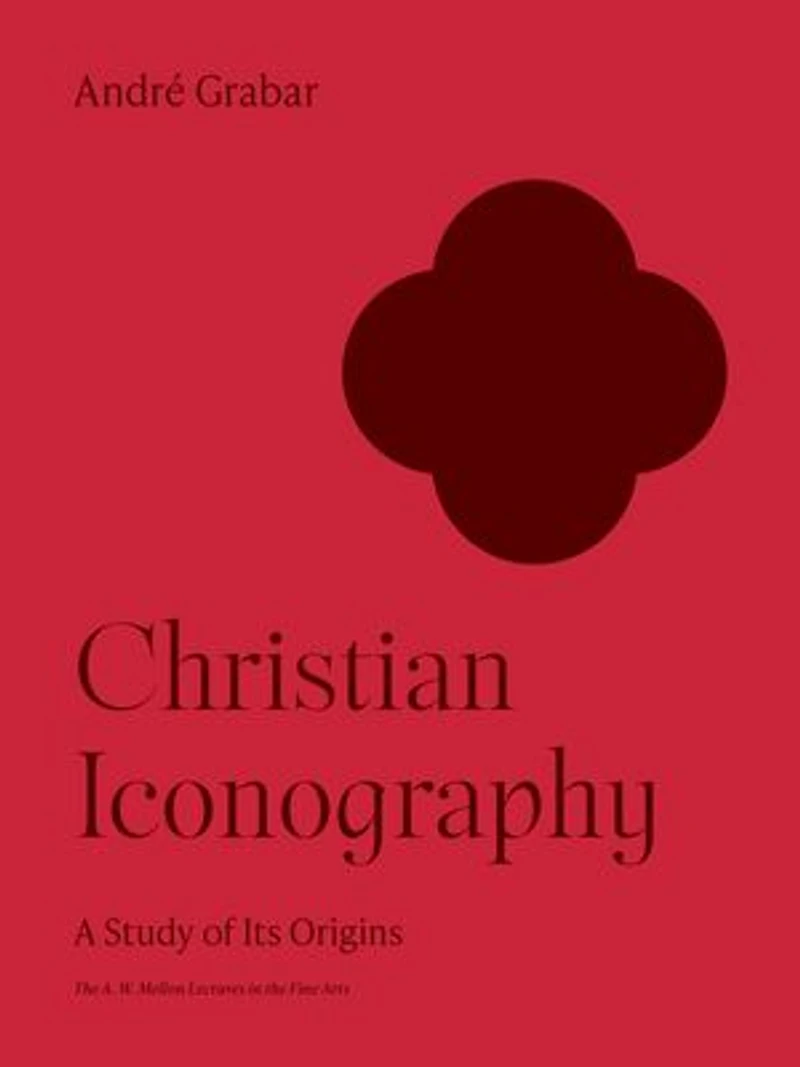
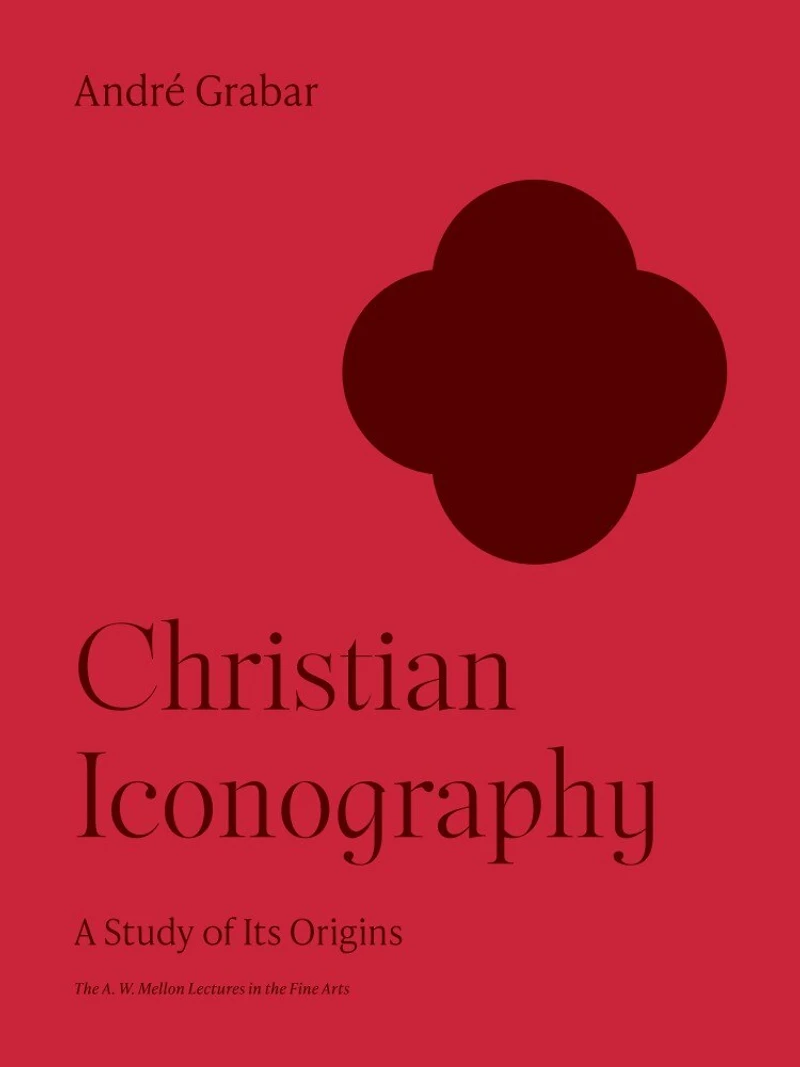
Christian Iconography: A Study of Its Origins in Brampton, ON
Current price: $57.59
Original price: $71.93
Coles
Christian Iconography: A Study of Its Origins in Brampton, ON
Current price: $57.59
Original price: $71.93
Loading Inventory...
Size: Kobo eBook
*Product information and pricing may vary - to confirm current pricing, availability, shipping, and return information please contact Coles. In the event of a pricing discrepancy, the retailer's price will apply.
An illuminating look at the iconography of the early church and its important place in the history of Christian art
In this book, historian André Grabar demonstrates how early Christian iconography assimilated contemporary imagery of the time. Grabar looks at the most characteristic examples of paleo-Christian iconography, dwelling on their nature, form, and content. He explores the limits of originality in such art, its debt to figurative art, and the broader cultural climate in the Roman Empire, drawing a distinction between expressive images—that is, genuine works of art—and informative ones. Throughout, Grabar establishes the importance of imperial iconography in the development of Christian portraits and sheds light on the role they played alongside other forms of Christian piety in their day.
An illuminating look at the iconography of the early church and its important place in the history of Christian art
In this book, historian André Grabar demonstrates how early Christian iconography assimilated contemporary imagery of the time. Grabar looks at the most characteristic examples of paleo-Christian iconography, dwelling on their nature, form, and content. He explores the limits of originality in such art, its debt to figurative art, and the broader cultural climate in the Roman Empire, drawing a distinction between expressive images—that is, genuine works of art—and informative ones. Throughout, Grabar establishes the importance of imperial iconography in the development of Christian portraits and sheds light on the role they played alongside other forms of Christian piety in their day.
You May Also Like

















Find at Bramalea City Centre in Brampton, ON
Visit at Bramalea City Centre in Brampton, ON