



Gifting Made Simple
Give the Gift of ChoiceClick below to purchase a Bramalea City Centre eGift Card that can be used at participating retailers at Bramalea City Centre.Purchase HereHome
China's Grand Strategy From Confucius To Contemporary
Coles
Loading Inventory...
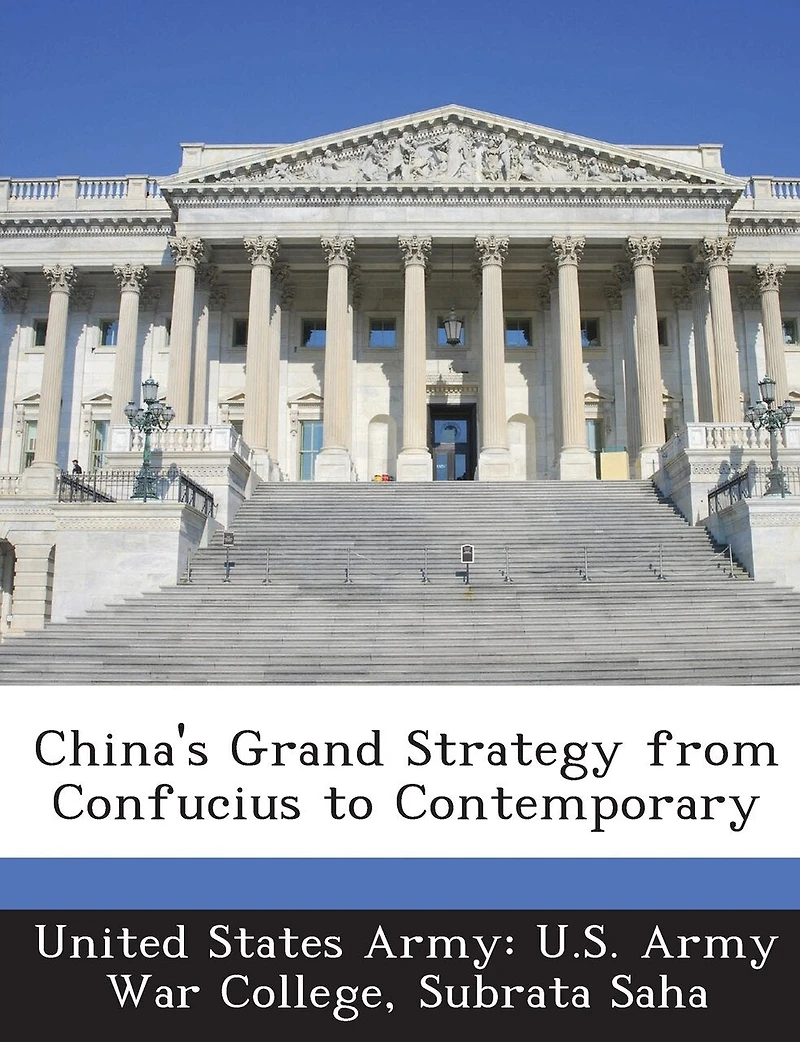
China's Grand Strategy From Confucius To Contemporary in Brampton, ON
Current price: $18.99
Coles
China's Grand Strategy From Confucius To Contemporary in Brampton, ON
Current price: $18.99
Loading Inventory...
Size: Paperback
*Product information and pricing may vary - to confirm current pricing, availability, shipping, and return information please contact Coles. In the event of a pricing discrepancy, the retailer's price will apply.
Analysts and policy makers articulate growing concerns on whether China's rapid rise will remain peaceful or become confrontational. To understand Chinese grand strategy, this USAWC International Officer author draws on its long history and classical thinkers to offer four main arguments.
First, China is highly sensitive to its periphery (that is expanding), where it demands preeminence. Second, the measure of internal stability within China has major bearing on its strategic conduct. Third, traditional Chinese caution for strategic overreach is changing, as it projects interests in distant continents, albeit, with greater emphasis on diplomacy and trade. Fourth, reclaiming the status of a great power by rectifying the failings of initial encounters with the West is a dominant motive, in China's changing strategic calculus from national interest to international influence.
Analysts and policy makers articulate growing concerns on whether China's rapid rise will remain peaceful or become confrontational. To understand Chinese grand strategy, this USAWC International Officer author draws on its long history and classical thinkers to offer four main arguments.
First, China is highly sensitive to its periphery (that is expanding), where it demands preeminence. Second, the measure of internal stability within China has major bearing on its strategic conduct. Third, traditional Chinese caution for strategic overreach is changing, as it projects interests in distant continents, albeit, with greater emphasis on diplomacy and trade. Fourth, reclaiming the status of a great power by rectifying the failings of initial encounters with the West is a dominant motive, in China's changing strategic calculus from national interest to international influence.
You May Also Like









Find at Bramalea City Centre in Brampton, ON
Visit at Bramalea City Centre in Brampton, ON