



Gifting Made Simple
Give the Gift of ChoiceClick below to purchase a Bramalea City Centre eGift Card that can be used at participating retailers at Bramalea City Centre.Purchase HereHome
China's Belt and Road Initiative: Impacts on Asia Policy Agenda
Coles
Loading Inventory...
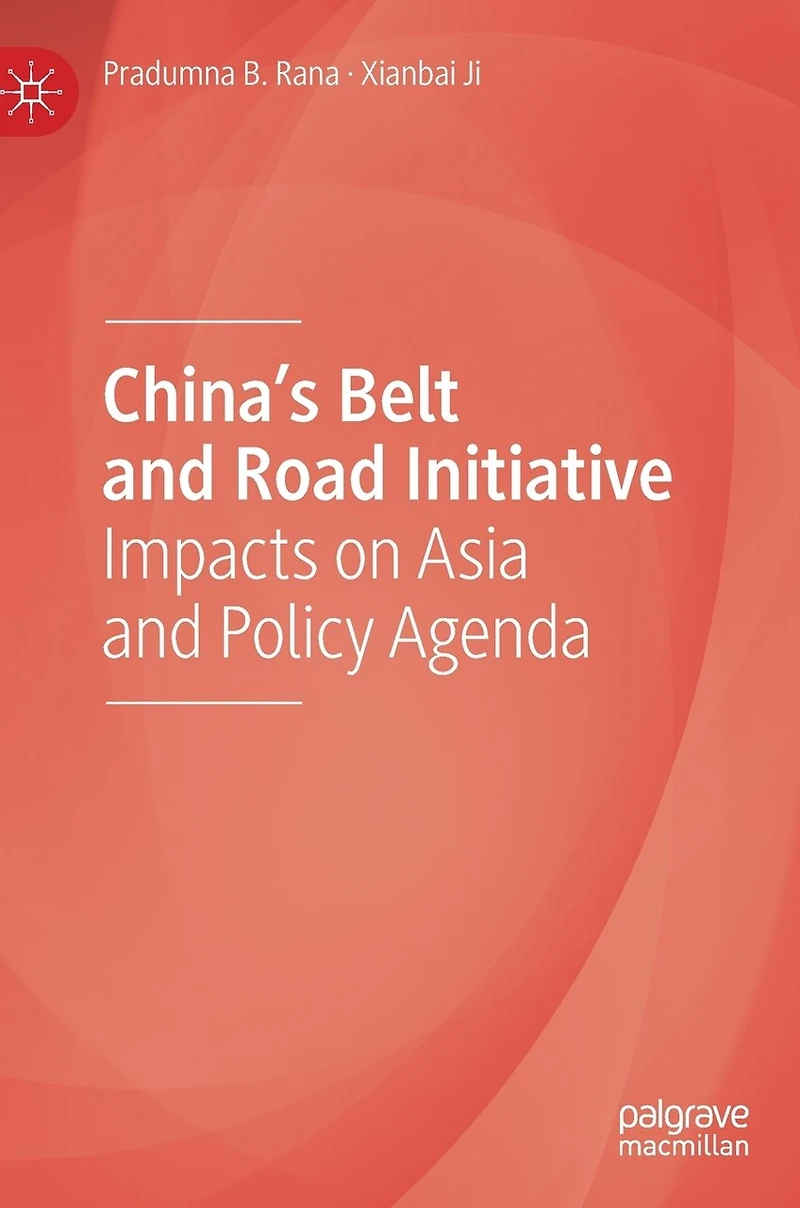
China's Belt and Road Initiative: Impacts on Asia Policy Agenda in Brampton, ON
Current price: $94.95
Coles
China's Belt and Road Initiative: Impacts on Asia Policy Agenda in Brampton, ON
Current price: $94.95
Loading Inventory...
Size: Hardcover
*Product information and pricing may vary - to confirm current pricing, availability, shipping, and return information please contact Coles. In the event of a pricing discrepancy, the retailer's price will apply.
The Belt and Road Initiative (BRI), officially unveiled in 2013, is Chinese President Xi Jinping's signature foreign and economic policy initiative to achieve improved connectivity, regional cooperation, and economic development on a trans-continental scale. This book reviews the evolving BRI vision and offers a benefit-risk assessment of the BRI's economic and geopolitical implications from the perspective of Asian stakeholder countries, using both qualitative and quantitative research methods. Among the value added of the book is first an online perception survey of opinion leaders from Asian participating countries on various aspects of the initiative. To our best knowledge, the survey is the first of its kind. Second, the book presents the simulation results of a computable general equilibrium model of the world economy to estimate the potential macroeconomic impacts of the BRI as a whole and those of its constituent overland and maritime economic corridors. Third, the book makes ten key evidence-based policy recommendations on how to enhance the prospect of a successful and mutually beneficial BRI 2.0 to both China and stakeholder countries.
The Belt and Road Initiative (BRI), officially unveiled in 2013, is Chinese President Xi Jinping's signature foreign and economic policy initiative to achieve improved connectivity, regional cooperation, and economic development on a trans-continental scale. This book reviews the evolving BRI vision and offers a benefit-risk assessment of the BRI's economic and geopolitical implications from the perspective of Asian stakeholder countries, using both qualitative and quantitative research methods. Among the value added of the book is first an online perception survey of opinion leaders from Asian participating countries on various aspects of the initiative. To our best knowledge, the survey is the first of its kind. Second, the book presents the simulation results of a computable general equilibrium model of the world economy to estimate the potential macroeconomic impacts of the BRI as a whole and those of its constituent overland and maritime economic corridors. Third, the book makes ten key evidence-based policy recommendations on how to enhance the prospect of a successful and mutually beneficial BRI 2.0 to both China and stakeholder countries.
You May Also Like









Find at Bramalea City Centre in Brampton, ON
Visit at Bramalea City Centre in Brampton, ON