



Gifting Made Simple
Give the Gift of ChoiceClick below to purchase a Bramalea City Centre eGift Card that can be used at participating retailers at Bramalea City Centre.Purchase HereHome
Childhood beyond Pathology: A Psychoanalytic Study of Development and Diagnosis
Coles
Loading Inventory...
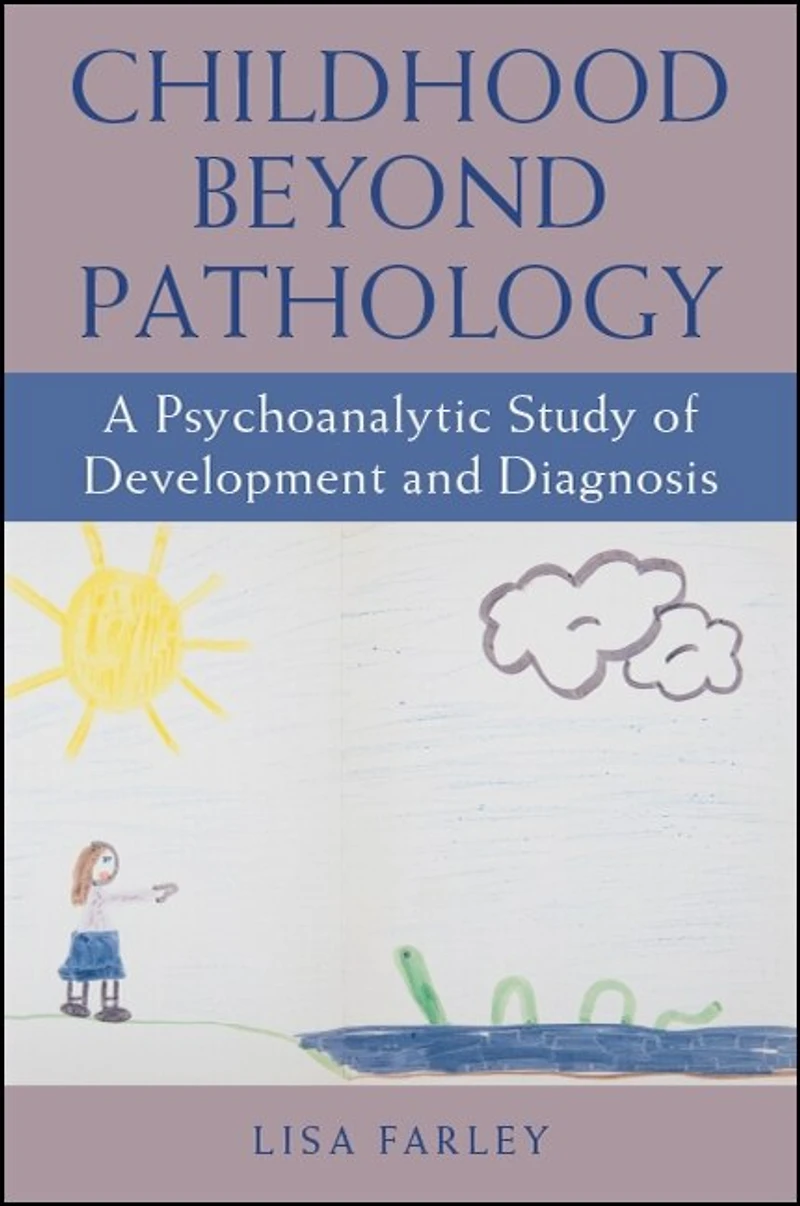
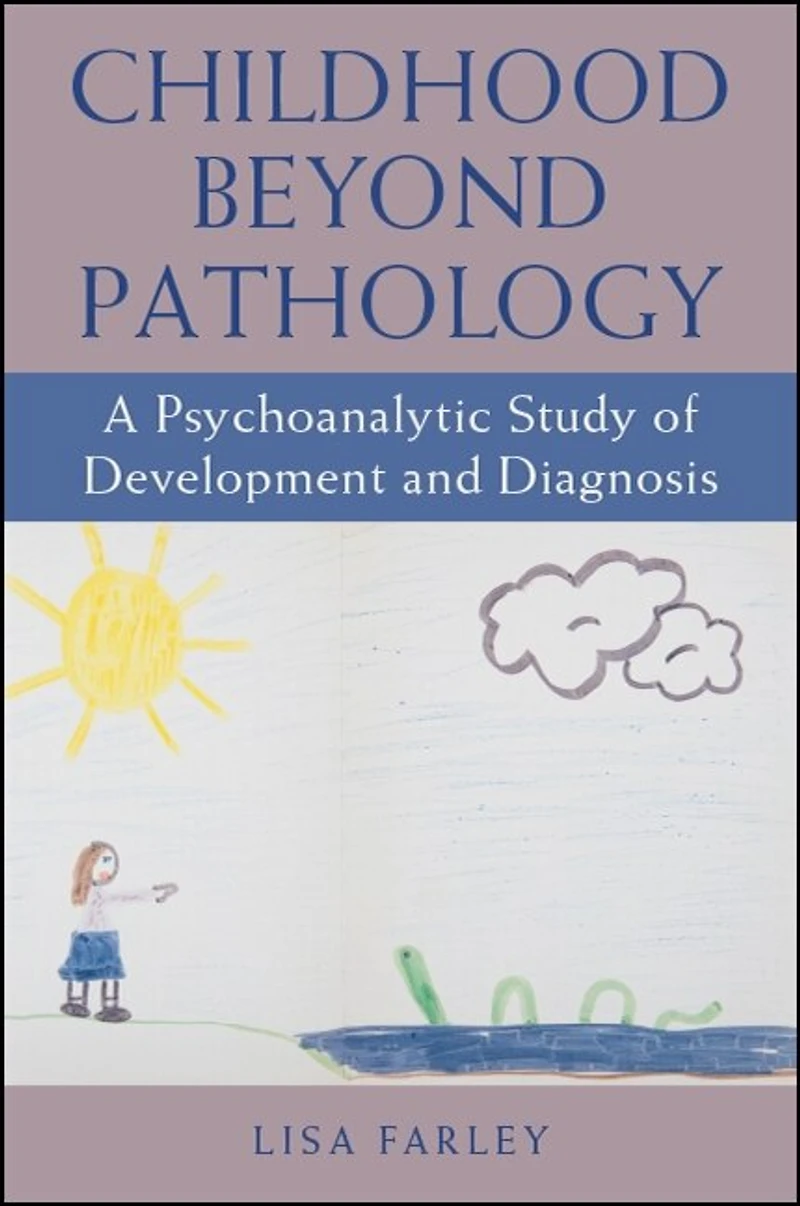
Childhood beyond Pathology: A Psychoanalytic Study of Development and Diagnosis in Brampton, ON
Current price: $135.95
Coles
Childhood beyond Pathology: A Psychoanalytic Study of Development and Diagnosis in Brampton, ON
Current price: $135.95
Loading Inventory...
Size: Hardcover
*Product information and pricing may vary - to confirm current pricing, availability, shipping, and return information please contact Coles. In the event of a pricing discrepancy, the retailer's price will apply.
offers an account of the ways that psychoanalytic concepts can inform ongoing challenges of representing development, belonging, and relationality, with a focus on debates over how children should be treated, what they might know, and who they should become. Drawing from fiction, clinical studies, and courtroom and classroom contexts, Lisa Farley explores a series of five conceptual figures-the replacement child, the neurodiverse child, the counterfeit child, the child heir of historical trauma, and the gender divergent child-with a keen eye to discussions of social justice and human dignity. The book reveals the emotional situations, social tensions, and political issues that shape the meaning of childhood, and focuses on what happens when a child departs from normative scripts of development. Through thought-provoking analysis, Farley develops themes that include childhood loss, the myth of innocence, the problem of diagnosis, the subject of racial hatred, the meaning of a good fight, and gender embodiment. She draws extensively on psychoanalytic concepts to show how the fantasy of the child advancing through lockstep stages fails to account for the child as symbolic of the conflicts of entering into the social world.
suggests we reconsider developmental understandings of childhood by honoring the elusive qualities of inner life.
offers an account of the ways that psychoanalytic concepts can inform ongoing challenges of representing development, belonging, and relationality, with a focus on debates over how children should be treated, what they might know, and who they should become. Drawing from fiction, clinical studies, and courtroom and classroom contexts, Lisa Farley explores a series of five conceptual figures-the replacement child, the neurodiverse child, the counterfeit child, the child heir of historical trauma, and the gender divergent child-with a keen eye to discussions of social justice and human dignity. The book reveals the emotional situations, social tensions, and political issues that shape the meaning of childhood, and focuses on what happens when a child departs from normative scripts of development. Through thought-provoking analysis, Farley develops themes that include childhood loss, the myth of innocence, the problem of diagnosis, the subject of racial hatred, the meaning of a good fight, and gender embodiment. She draws extensively on psychoanalytic concepts to show how the fantasy of the child advancing through lockstep stages fails to account for the child as symbolic of the conflicts of entering into the social world.
suggests we reconsider developmental understandings of childhood by honoring the elusive qualities of inner life.
You May Also Like











Find at Bramalea City Centre in Brampton, ON
Visit at Bramalea City Centre in Brampton, ON