



Gifting Made Simple
Give the Gift of ChoiceClick below to purchase a Bramalea City Centre eGift Card that can be used at participating retailers at Bramalea City Centre.Purchase HereHome
Child Benefits: The Smart Investment for America's Future
Coles
Loading Inventory...
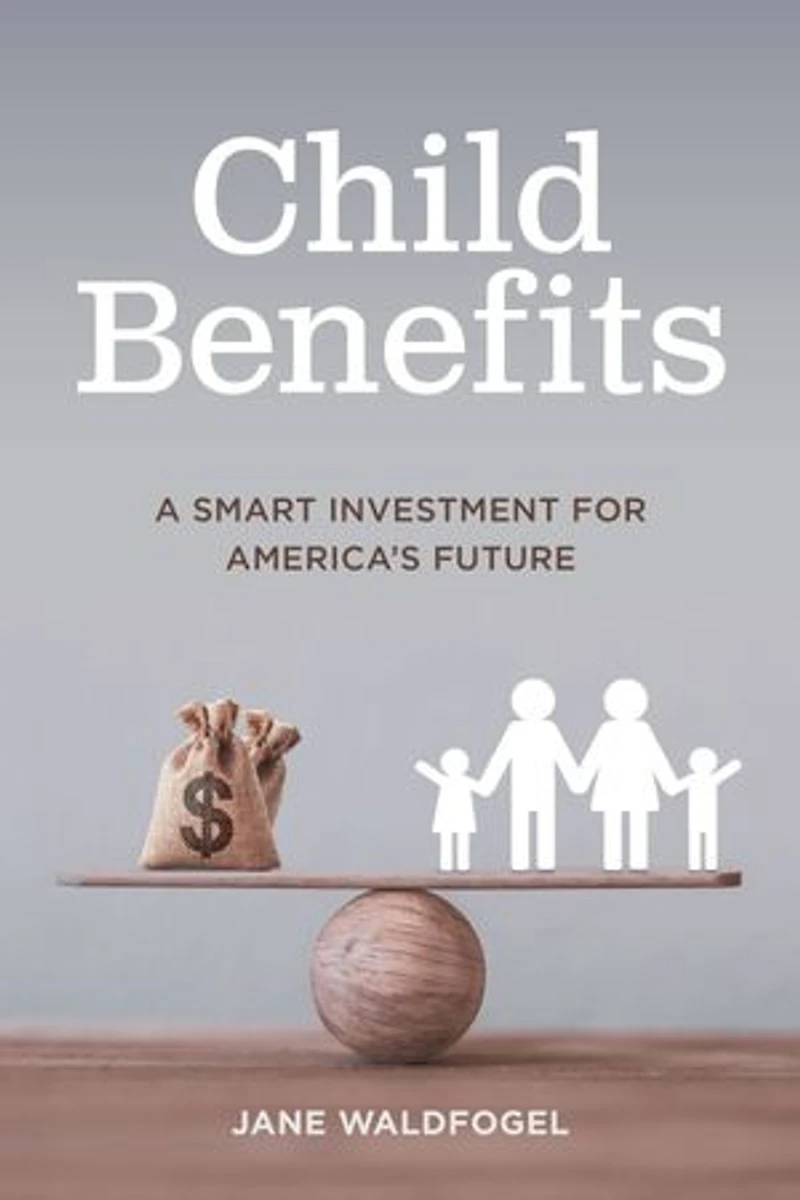
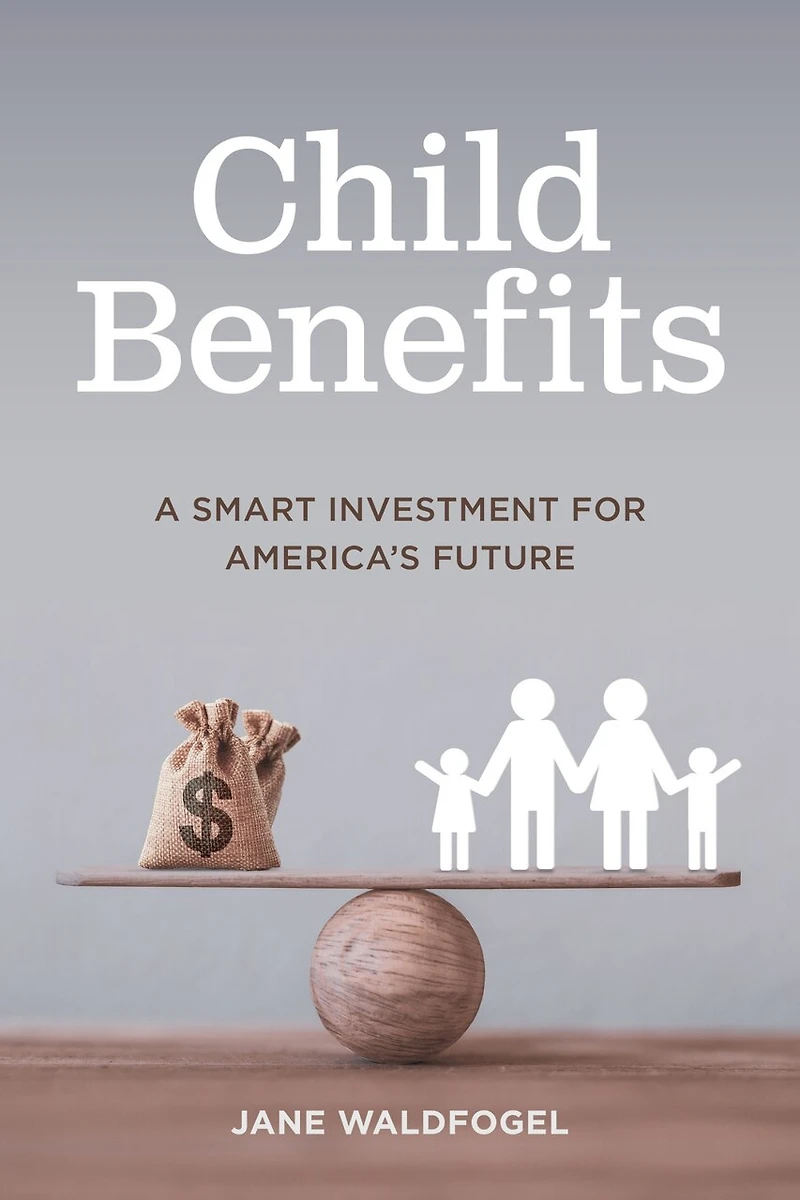
Child Benefits: The Smart Investment for America's Future in Brampton, ON
Current price: $33.99
Original price: $42.50
Coles
Child Benefits: The Smart Investment for America's Future in Brampton, ON
Current price: $33.99
Original price: $42.50
Loading Inventory...
Size: Kobo eBook
*Product information and pricing may vary - to confirm current pricing, availability, shipping, and return information please contact Coles. In the event of a pricing discrepancy, the retailer's price will apply.
The United States has one of the highest child poverty rates among wealthy countries and stands out among its peers as the only country that does not offer a child benefit – regular payments from the government to most or all families with children, not conditioned on parental employment. During the temporary expansion of the Child Tax Credit (CTC) in 2021, the CTC functioned as a child benefit, and the child poverty rate fell to the lowest level ever recorded in the United States. Despite this decrease, the CTC expansion was not renewed. Concerns about enacting a child benefit include the cost, the possibility of misuse of money by parents, and how it might affect parental employment and fertility. In Child Benefits , social policy scholar Jane Waldfogel details the history and origins of child benefits around the world and comprehensively assesses how child benefits affect family spending, fertility, employment, child poverty, and child wellbeing to address such concerns and to determine the benefits of enacting such a policy permanently.
Drawing on research from peer countries in the Organization for Economic Cooperation and Development as well as the United States, Waldfogel shows that a child benefit would prevent poverty and hardship and protect children from deep poverty and income instability. The research is clear that families would spend the money from a child benefit on food, clothing, and other items for their children and that a child benefit would not have large negative impacts on parental employment or family decisions about fertility. It also shows that a child benefit would promote short- and longer-term child and family wellbeing. Child benefits have been shown to enhance opportunity and benefit society through healthier and better-educated young adults and stronger and more stable families. And rigorous benefit-cost analyses indicate that a child benefit, while costly, would more than pay for itself, yielding a large return on investment.
Waldfogel evaluates four current, major proposals for a child benefit and provides recommendations for a policy that would deliver the best outcomes for children and families and the best return on investment. She argues that such a policy would be more generous, not tied to parental employment or earnings, available to all parents but phased out for higher-income families, delivered in monthly payments through the tax system, and provided in addition to existing social programs.
Child Benefits provides fascinating insights on the history and impacts of child benefits and makes a clear and definitive argument for the establishment of a child benefit in the United States.
The United States has one of the highest child poverty rates among wealthy countries and stands out among its peers as the only country that does not offer a child benefit – regular payments from the government to most or all families with children, not conditioned on parental employment. During the temporary expansion of the Child Tax Credit (CTC) in 2021, the CTC functioned as a child benefit, and the child poverty rate fell to the lowest level ever recorded in the United States. Despite this decrease, the CTC expansion was not renewed. Concerns about enacting a child benefit include the cost, the possibility of misuse of money by parents, and how it might affect parental employment and fertility. In Child Benefits , social policy scholar Jane Waldfogel details the history and origins of child benefits around the world and comprehensively assesses how child benefits affect family spending, fertility, employment, child poverty, and child wellbeing to address such concerns and to determine the benefits of enacting such a policy permanently.
Drawing on research from peer countries in the Organization for Economic Cooperation and Development as well as the United States, Waldfogel shows that a child benefit would prevent poverty and hardship and protect children from deep poverty and income instability. The research is clear that families would spend the money from a child benefit on food, clothing, and other items for their children and that a child benefit would not have large negative impacts on parental employment or family decisions about fertility. It also shows that a child benefit would promote short- and longer-term child and family wellbeing. Child benefits have been shown to enhance opportunity and benefit society through healthier and better-educated young adults and stronger and more stable families. And rigorous benefit-cost analyses indicate that a child benefit, while costly, would more than pay for itself, yielding a large return on investment.
Waldfogel evaluates four current, major proposals for a child benefit and provides recommendations for a policy that would deliver the best outcomes for children and families and the best return on investment. She argues that such a policy would be more generous, not tied to parental employment or earnings, available to all parents but phased out for higher-income families, delivered in monthly payments through the tax system, and provided in addition to existing social programs.
Child Benefits provides fascinating insights on the history and impacts of child benefits and makes a clear and definitive argument for the establishment of a child benefit in the United States.
You May Also Like













Find at Bramalea City Centre in Brampton, ON
Visit at Bramalea City Centre in Brampton, ON