



Gifting Made Simple
Give the Gift of ChoiceClick below to purchase a Bramalea City Centre eGift Card that can be used at participating retailers at Bramalea City Centre.Purchase HereHome
Chief Police Officers' Stories of Legitimacy: Power, Protection, Consent and Control
Coles
Loading Inventory...
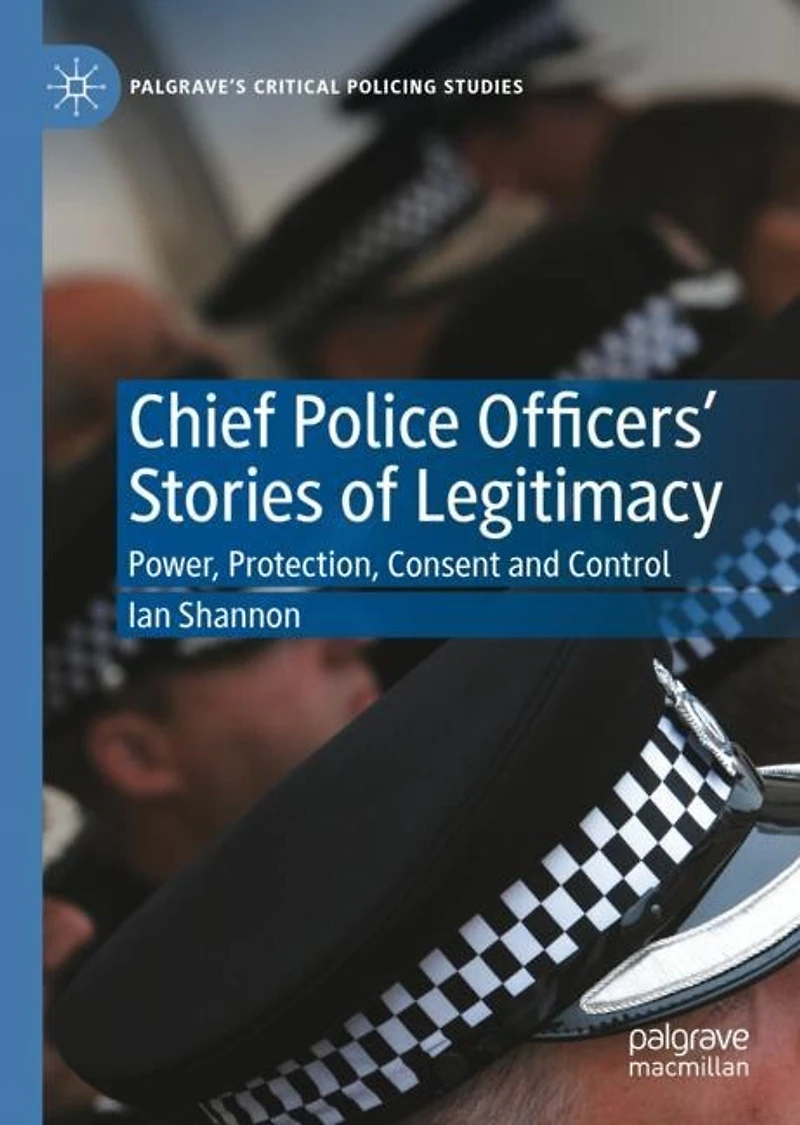
Chief Police Officers' Stories of Legitimacy: Power, Protection, Consent and Control in Brampton, ON
Current price: $87.95
Coles
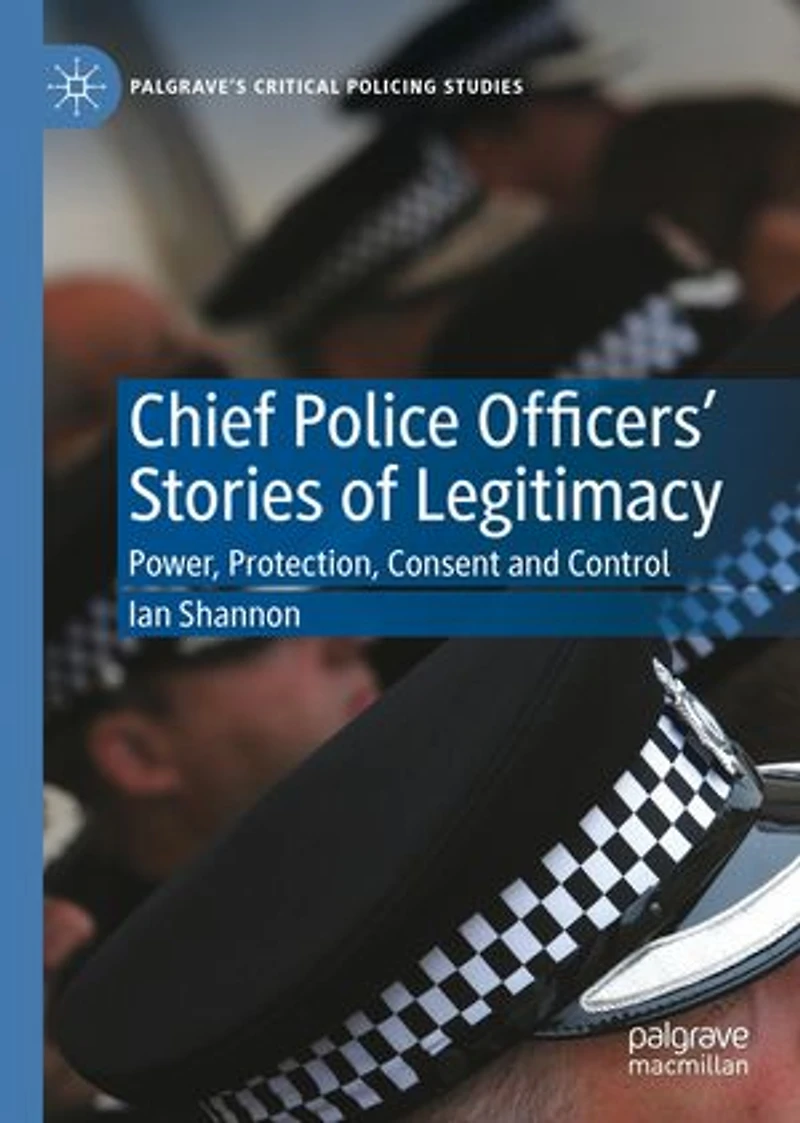
Chief Police Officers' Stories of Legitimacy: Power, Protection, Consent and Control in Brampton, ON
Current price: $87.95
Loading Inventory...
Size: Hardcover
*Product information and pricing may vary - to confirm current pricing, availability, shipping, and return information please contact Coles. In the event of a pricing discrepancy, the retailer's price will apply.
This book adds to knowledge about chief police officers in England and Wales by exploring their understandings of the right of police to exercise power. Their beliefs, motivations, backgrounds, and cultures are examined. Light is cast on how they perceive power, coercion, control, policing purpose, gendered understandings, protecting people, vulnerability, policing by consent, discretion, operational independence, law and the oversight and political direction (or governance), and accountability of police. Chief officers used three legitimating narratives based on: protecting people - particularly the most vulnerable - policing by consent, and law and the oversight and political direction of police. These accounts are assessed. Damaged processes of police governance that risk undermining police leadership and legitimacy are revealed. Critically, chief officers' understandings of legitimacy are found to be confused, conflicted, and, above all, convenient in supporting them in asserting a privileged position from which they can pursue their preferences for the use of power.
This book adds to knowledge about chief police officers in England and Wales by exploring their understandings of the right of police to exercise power. Their beliefs, motivations, backgrounds, and cultures are examined. Light is cast on how they perceive power, coercion, control, policing purpose, gendered understandings, protecting people, vulnerability, policing by consent, discretion, operational independence, law and the oversight and political direction (or governance), and accountability of police. Chief officers used three legitimating narratives based on: protecting people - particularly the most vulnerable - policing by consent, and law and the oversight and political direction of police. These accounts are assessed. Damaged processes of police governance that risk undermining police leadership and legitimacy are revealed. Critically, chief officers' understandings of legitimacy are found to be confused, conflicted, and, above all, convenient in supporting them in asserting a privileged position from which they can pursue their preferences for the use of power.
You May Also Like












Find at Bramalea City Centre in Brampton, ON
Visit at Bramalea City Centre in Brampton, ON