



Gifting Made Simple
Give the Gift of ChoiceClick below to purchase a Bramalea City Centre eGift Card that can be used at participating retailers at Bramalea City Centre.Purchase HereHome
Chemical Intolerance: Physiological Causes and Effects and Treatment Modalities
Coles
Loading Inventory...
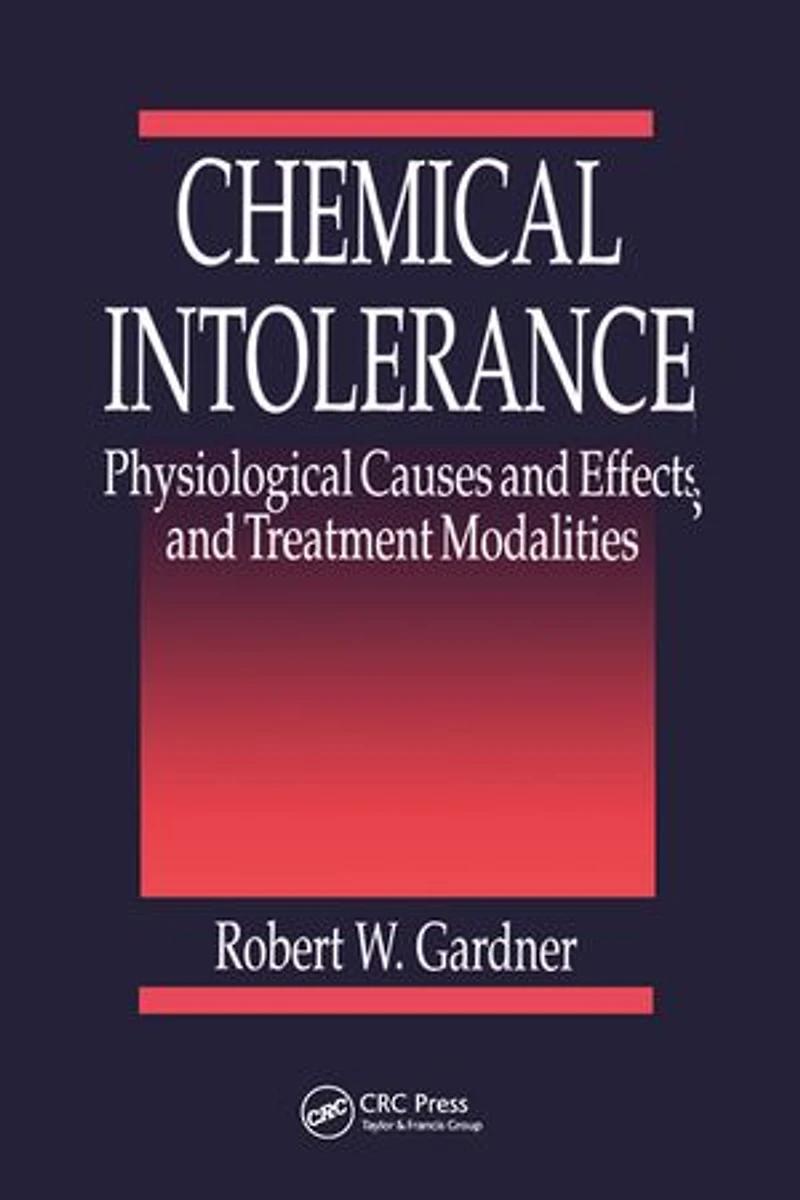
Chemical Intolerance: Physiological Causes and Effects and Treatment Modalities in Brampton, ON
Current price: $508.96
Coles
Chemical Intolerance: Physiological Causes and Effects and Treatment Modalities in Brampton, ON
Current price: $508.96
Loading Inventory...
Size: Kobo eBook
*Product information and pricing may vary - to confirm current pricing, availability, shipping, and return information please contact Coles. In the event of a pricing discrepancy, the retailer's price will apply.
Chemical Intolerance identifies phenolic (aromatic) chemical compounds present in natural foodstuffs, pollens, certain food additives, tobacco smoke, perfumes, air pollution, etc., as nonimmunologic, but pharmacologic activators of allergic reactions in chemically intolerant individuals. Biochemical pathway sequences, with supporting scientific literature, are outlined to elucidate the mechanisms associated with formation of inflammatory mediators (prostaglandins, thromboxanes, and leukotrienes) upon activation by phenolic compounds and other chemical stimulants. The role of these inflammatory agents in respiratory, gastrointestinal, neurological, cardiovascular, and other disorders is discussed. Treatment modalities using precise dosages of selected phenolic compounds are outlined to provide clinicians with an effective means of therapy. The author also shares his own experience and personal findings based on 20 years of research, including his recommendations for therapy.
Chemical Intolerance identifies phenolic (aromatic) chemical compounds present in natural foodstuffs, pollens, certain food additives, tobacco smoke, perfumes, air pollution, etc., as nonimmunologic, but pharmacologic activators of allergic reactions in chemically intolerant individuals. Biochemical pathway sequences, with supporting scientific literature, are outlined to elucidate the mechanisms associated with formation of inflammatory mediators (prostaglandins, thromboxanes, and leukotrienes) upon activation by phenolic compounds and other chemical stimulants. The role of these inflammatory agents in respiratory, gastrointestinal, neurological, cardiovascular, and other disorders is discussed. Treatment modalities using precise dosages of selected phenolic compounds are outlined to provide clinicians with an effective means of therapy. The author also shares his own experience and personal findings based on 20 years of research, including his recommendations for therapy.
You May Also Like









Find at Bramalea City Centre in Brampton, ON
Visit at Bramalea City Centre in Brampton, ON