



Gifting Made Simple
Give the Gift of ChoiceClick below to purchase a Bramalea City Centre eGift Card that can be used at participating retailers at Bramalea City Centre.Purchase HereHome
Charles and Emma Darwin: The Option to Believe: Believe
Coles
Loading Inventory...
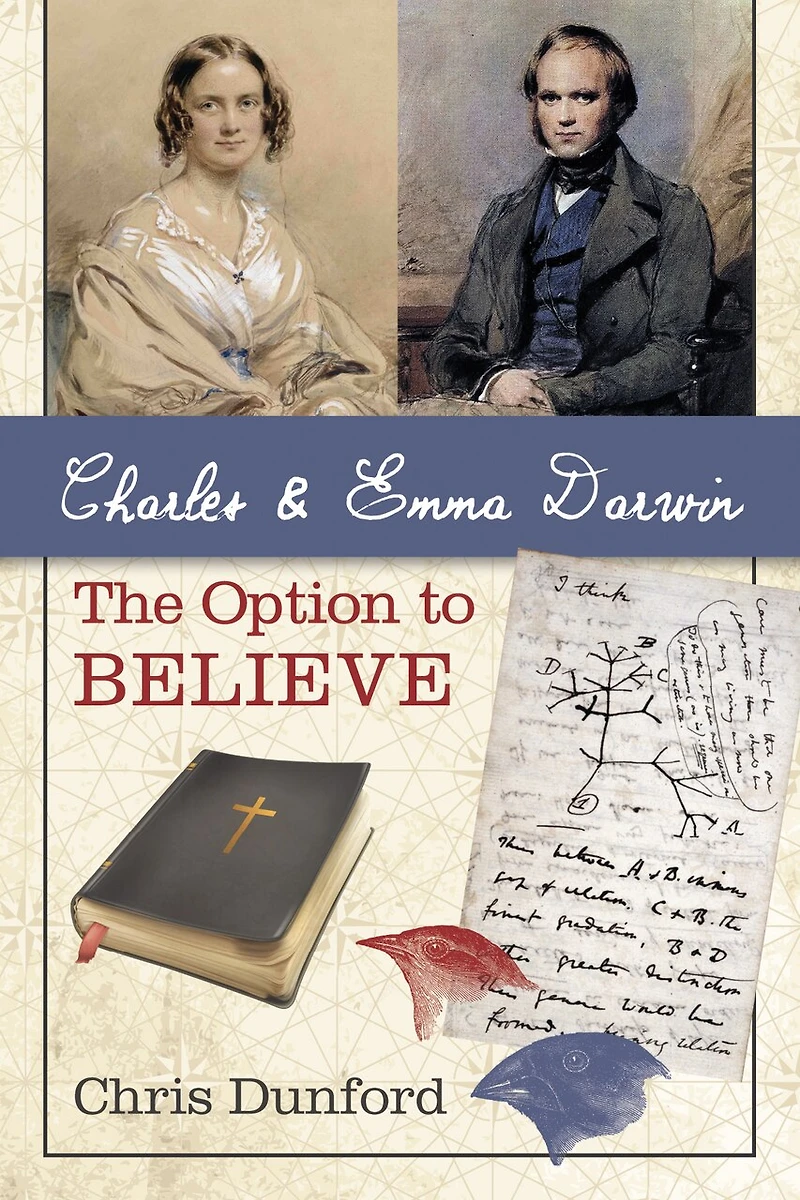
Charles and Emma Darwin: The Option to Believe: Believe in Brampton, ON
Current price: $81.00
Coles
Charles and Emma Darwin: The Option to Believe: Believe in Brampton, ON
Current price: $81.00
Loading Inventory...
Size: Hardcover
*Product information and pricing may vary - to confirm current pricing, availability, shipping, and return information please contact Coles. In the event of a pricing discrepancy, the retailer's price will apply.
Many people look at the world through a scientific lens that seems to forbid religious conviction, but then find themselves drawn by curiosity, if not longing, to the religious worldview. Is this tension inevitable . . . or unnecessary? The famously successful marriage of Charles and Emma Darwin illustrates the problem. Charles and Emma were very close to each other in social background and knowledge of the world, yet they found it difficult to agree on the Question of God. Were their religious beliefs driven apart more by his science or by their society? Were these potentially compatible, or inherently irreconcilable? Charles and Emma Darwin: The Option to Believe searches for answers in the family's history and individual personalities, as well as in the cultural, social, and intellectual history of that family's society. The book also looks back on the Darwins' predicament from the perspective of modern science and theology and suggests it is society, not science, that creates the modern tension between science and religion. There is an intellectual option to believe in God that seemed unavailable to Victorians like Charles Darwin yet is certainly available to us today.
Many people look at the world through a scientific lens that seems to forbid religious conviction, but then find themselves drawn by curiosity, if not longing, to the religious worldview. Is this tension inevitable . . . or unnecessary? The famously successful marriage of Charles and Emma Darwin illustrates the problem. Charles and Emma were very close to each other in social background and knowledge of the world, yet they found it difficult to agree on the Question of God. Were their religious beliefs driven apart more by his science or by their society? Were these potentially compatible, or inherently irreconcilable? Charles and Emma Darwin: The Option to Believe searches for answers in the family's history and individual personalities, as well as in the cultural, social, and intellectual history of that family's society. The book also looks back on the Darwins' predicament from the perspective of modern science and theology and suggests it is society, not science, that creates the modern tension between science and religion. There is an intellectual option to believe in God that seemed unavailable to Victorians like Charles Darwin yet is certainly available to us today.
You May Also Like








Find at Bramalea City Centre in Brampton, ON
Visit at Bramalea City Centre in Brampton, ON