



Gifting Made Simple
Give the Gift of ChoiceClick below to purchase a Bramalea City Centre eGift Card that can be used at participating retailers at Bramalea City Centre.Purchase HereHome
Ceasefire City: Militarism, Capitalism and Urbanism Dimapur
Coles
Loading Inventory...
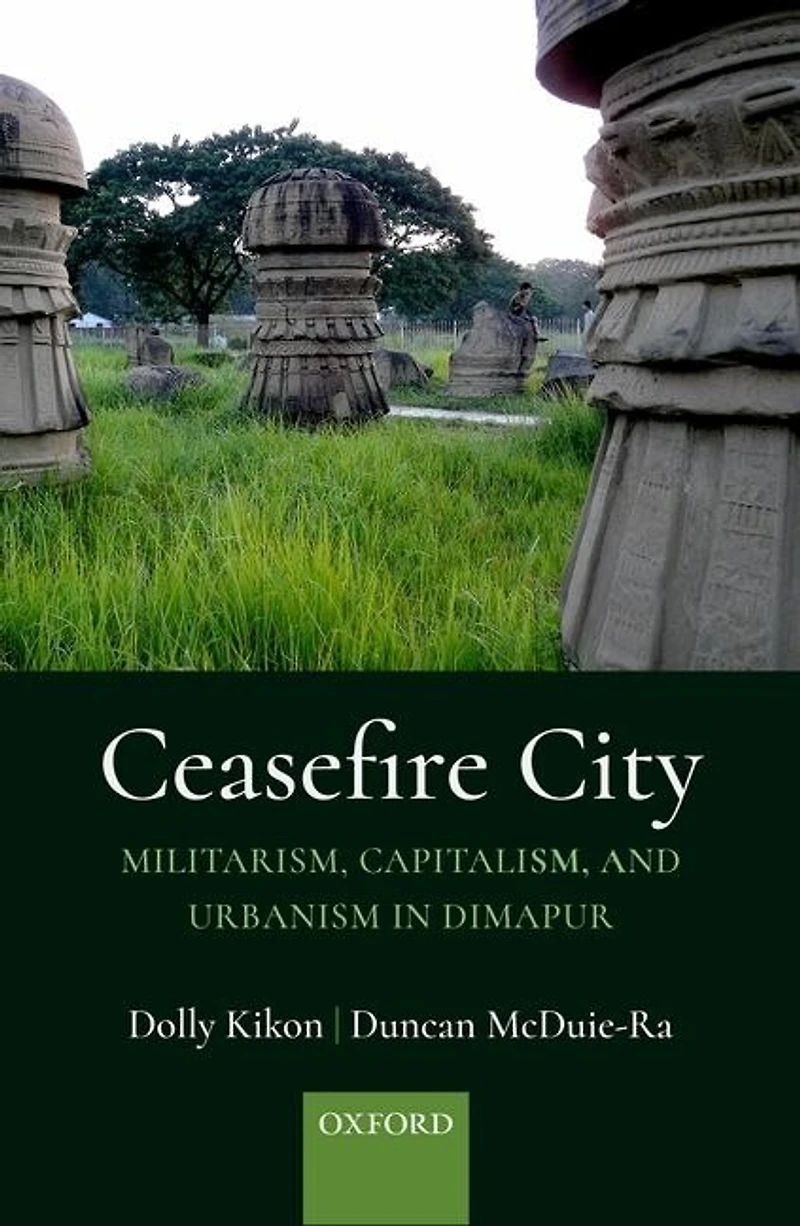
Ceasefire City: Militarism, Capitalism and Urbanism Dimapur in Brampton, ON
Current price: $68.56
Coles
Ceasefire City: Militarism, Capitalism and Urbanism Dimapur in Brampton, ON
Current price: $68.56
Loading Inventory...
Size: Hardcover
*Product information and pricing may vary - to confirm current pricing, availability, shipping, and return information please contact Coles. In the event of a pricing discrepancy, the retailer's price will apply.
For a city in India's northeast that has been embroiled in the everyday militarization and violence of Asia's longest-running separatist conflict, Dimapur remains "off the map". With no "glorious" past or arenas where events of consequence to mainstream India have taken place, Dimapur's essence is experienced in oral histories of events, visual archives of the everyday life, lived reality of military occupation, and anxieties produced in making urban space out of tribal space.
Ceasefire City aims to capture the dynamics of Dimapur by bringing together the fragmented sensibilities granted and contested in particular spaces in the city and the embodied experiences of the city by its residents. The first part of the book talks about military presence, capitalist growth, and urban expansion in Dimapur through an analysis of its spatial politics, and the second part, through collaborative ethnographic exercises, focuses on the relationship between the lived realities and the meanings that are forged around the city.
For a city in India's northeast that has been embroiled in the everyday militarization and violence of Asia's longest-running separatist conflict, Dimapur remains "off the map". With no "glorious" past or arenas where events of consequence to mainstream India have taken place, Dimapur's essence is experienced in oral histories of events, visual archives of the everyday life, lived reality of military occupation, and anxieties produced in making urban space out of tribal space.
Ceasefire City aims to capture the dynamics of Dimapur by bringing together the fragmented sensibilities granted and contested in particular spaces in the city and the embodied experiences of the city by its residents. The first part of the book talks about military presence, capitalist growth, and urban expansion in Dimapur through an analysis of its spatial politics, and the second part, through collaborative ethnographic exercises, focuses on the relationship between the lived realities and the meanings that are forged around the city.
You May Also Like









Find at Bramalea City Centre in Brampton, ON
Visit at Bramalea City Centre in Brampton, ON